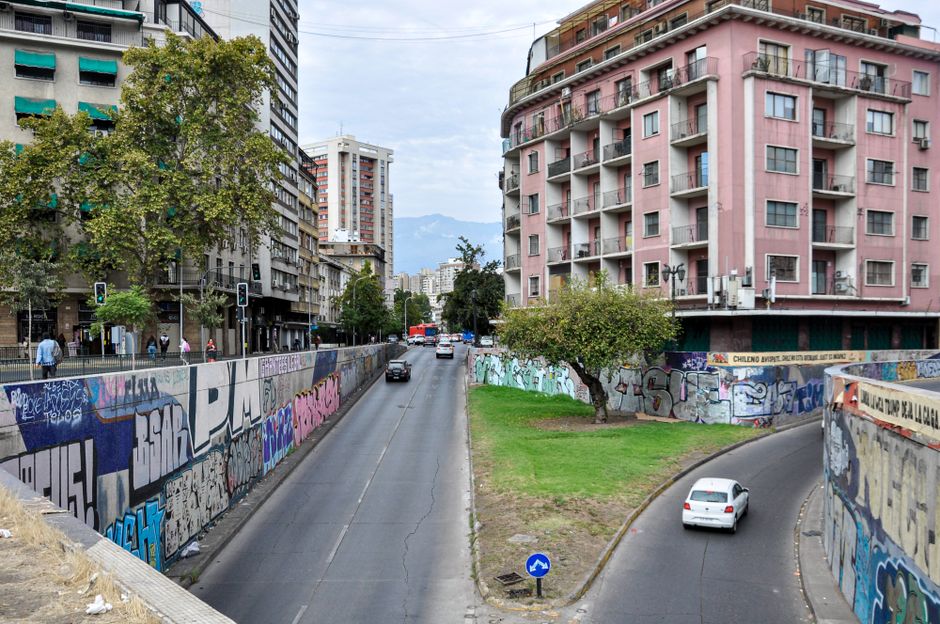
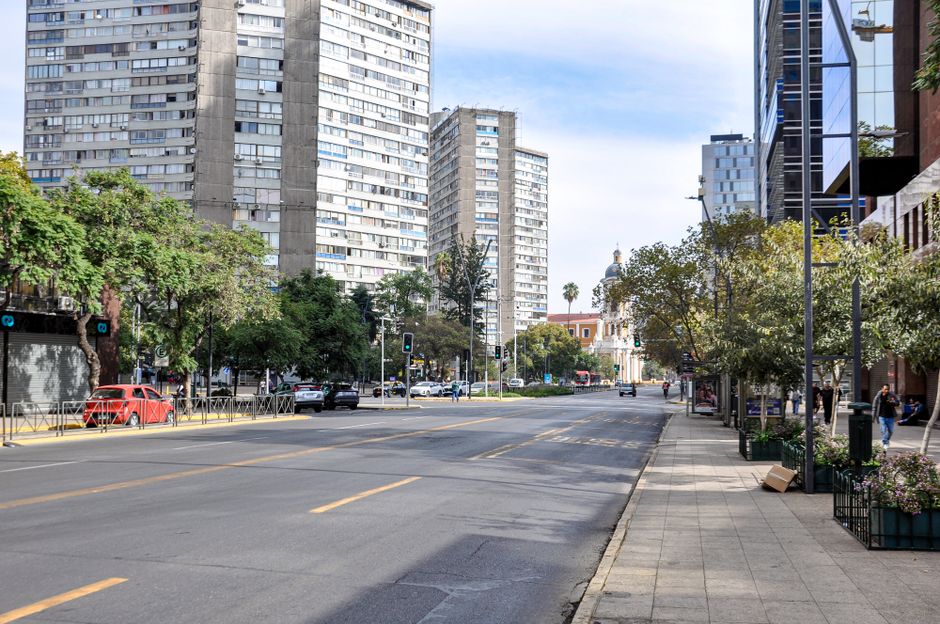
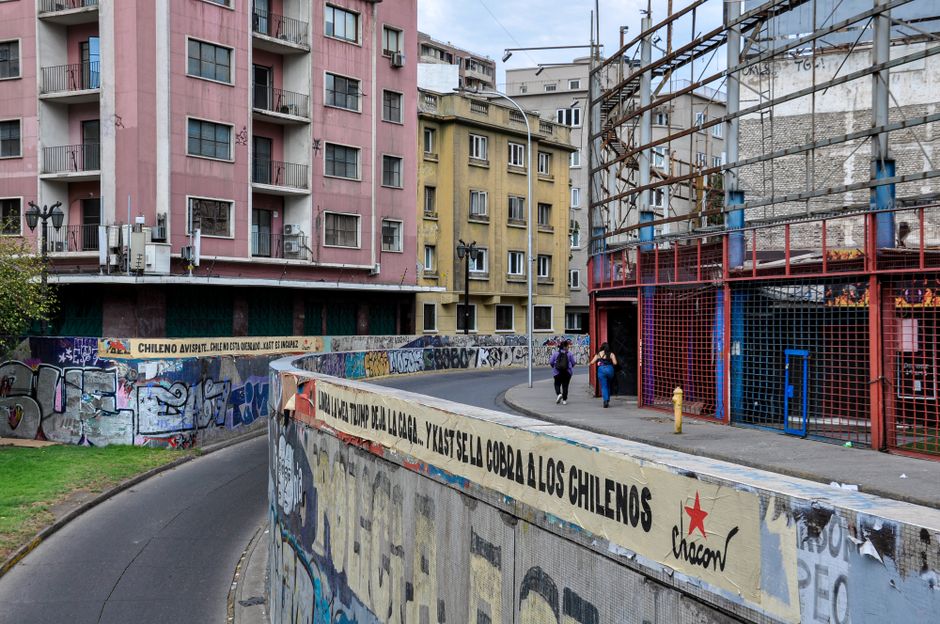
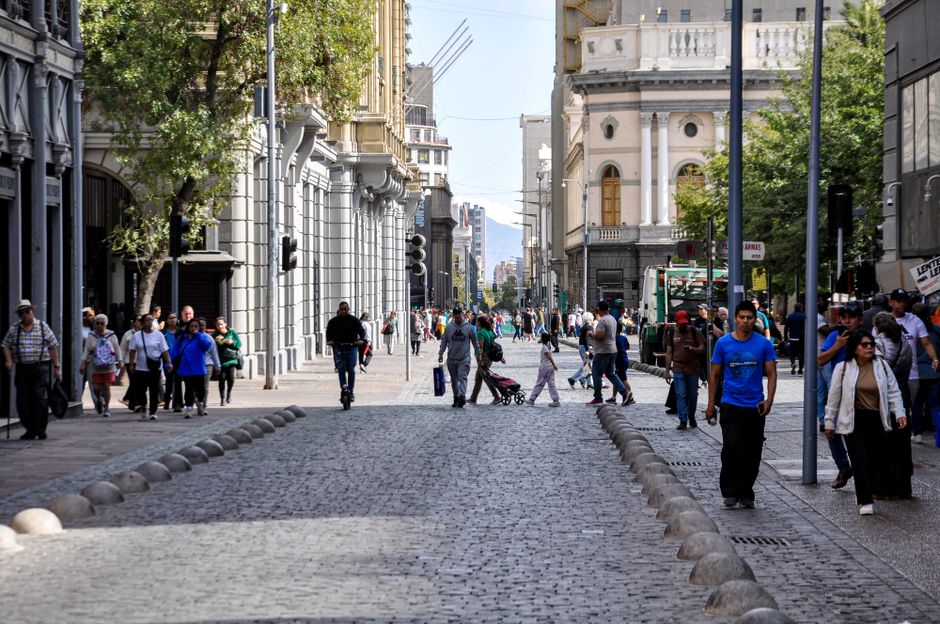
City officials and neighbourhood safety experts are publicly signalling a renewed commitment to addressing persistent security concerns across Santiago's historic districts, following months of elevated tensions in areas like Lastarria and Brasil.
During a press briefing at the Municipalidad de Santiago headquarters this week, municipal authorities presented updated crime statistics showing a 12 percent reduction in street robberies across the central zone compared to the same period last year. Officials attributed this partly to increased foot patrols along Paseo Ahumada and surrounding commercial corridors, though they acknowledged that public perception of safety remains significantly lower than actual crime data would suggest.
"What we're hearing from residents is that visibility matters," said a spokesperson for the city's public safety division, noting that the municipality has allocated additional resources for evening patrols in Plaza Brasil and surrounding residential blocks. The investment reflects a broader shift toward community-focused policing strategies rather than reactive enforcement.
Security experts from the Universidad de Chile's Centre for Urban Studies have been consulting with neighbourhood associations on evidence-based approaches to public safety. Their research indicates that mixed-use zoning and improved street lighting in peripheral areas like Estación Central have yielded measurable improvements in resident confidence, though challenges persist in converting those gains into sustained behavioural change among business owners and residents.
Local business improvement associations operating along Avenida Matta and in the Lastarria cultural district have welcomed the dialogue, though some representatives have privately expressed frustration with what they describe as inconsistent enforcement. Shopkeepers report that foot traffic has begun recovering in key retail zones, particularly on weekends, suggesting that confidence may be slowly returning to commercially vital neighbourhoods.
The Junta de Vecinos Alameda, representing residents across multiple blocks near the historic avenue, has been advocating for expanded community reporting mechanisms and clearer communication channels between residents and municipal authorities. Officials have committed to establishing quarterly neighbourhood forums to discuss security priorities and implementation feedback.
Experts caution that sustained progress will require continued investment and coordination across multiple city departments. The consensus among officials and specialists appears to centre on the recognition that Santiago's neighbourhood security challenges reflect broader urban planning issues—inadequate lighting infrastructure, limited evening commercial activity, and reduced street presence—rather than isolated policing failures. Whether these systemic approaches will yield the confidence recovery residents are demanding remains an open question as the city heads into a typically busier tourist season.
This article was compiled by AI from the sources linked above and screened before publishing. See our editorial standards.