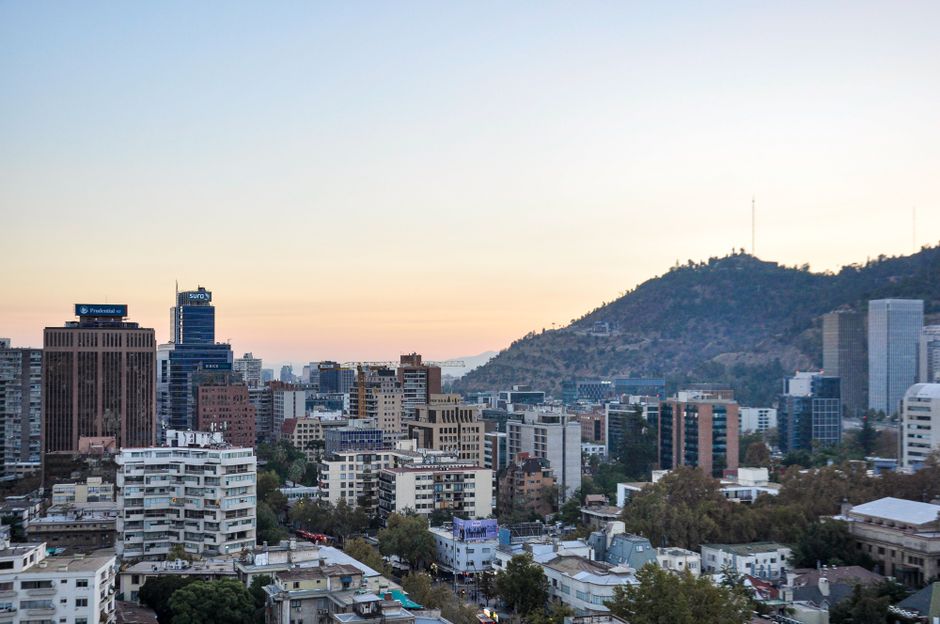
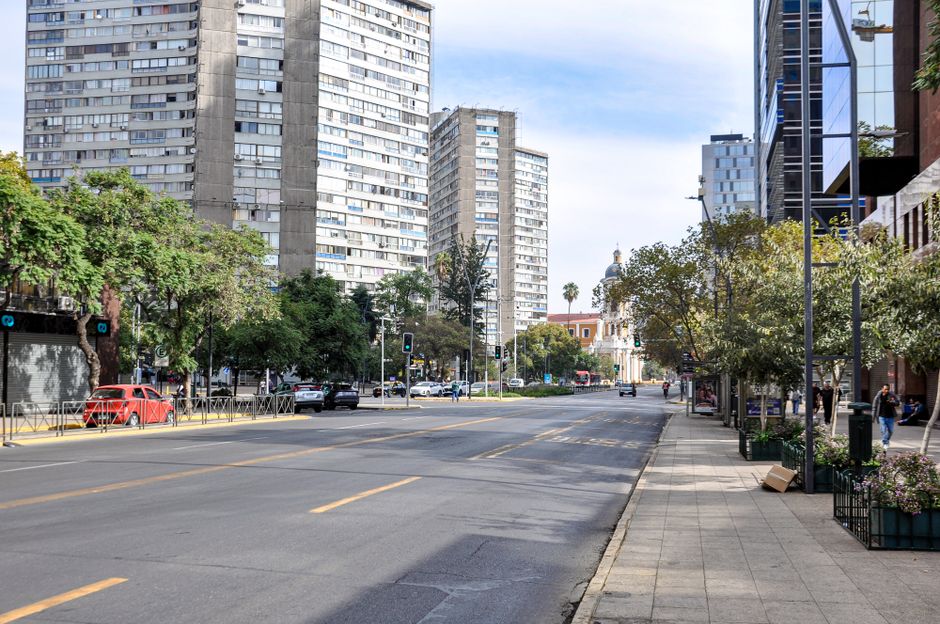
As summer tourism peaks across Santiago's historic neighbourhoods, city officials and community safety experts are raising concerns about a shift in criminal patterns that has left residents and business owners increasingly vulnerable.
Speaking at a roundtable hosted by the Santiago Municipal Government this week, representatives from neighbourhood watch groups across Lastarria, Bella Vista, and surrounding areas described a troubling trend: organised petty theft targeting both residents and visitors has surged 34% in the first half of 2026 compared to the same period last year, according to preliminary data shared by the city's public safety division.
"What we're seeing is not random crime," said a spokesperson for the Fundación Seguridad Comunitaria, a local non-profit focused on neighbourhood resilience. "The incidents are concentrated around key commercial corridors—Merced Street, Constitución Avenue—and follow patterns that suggest coordination among perpetrators." The foundation's latest survey of 580 local business owners found that 67% had experienced theft or break-ins within the past year, with average losses ranging from 450,000 to 1.2 million pesos per incident.
Municipal authorities acknowledged the challenge during Tuesday's community forum at the Biblioteca Pública Gabriela Mistral in Lastarria. Officials emphasised that increased police presence alone would not solve systemic issues, pointing instead to preventive measures including improved street lighting and community engagement initiatives.
Local neighbourhood associations have begun piloting their own responses. The Bella Vista Residents' Coalition recently launched a digital alert system using WhatsApp and neighbourhood apps to share real-time safety information across 3,200 participating households. "We're not trying to replace police work," a coalition representative explained, "but residents need tools to protect themselves and each other."
Business improvement districts are also mobilising. The Lastarria Commerce Association has funded additional security cameras on shared thoroughfares and organised merchant patrols during evening hours when theft incidents cluster most densely.
Experts from the Universidad de Chile's Institute for Urban Studies warned that Santiago's rapid tourist growth—visitor numbers to the historic centre have doubled since 2020—has outpaced infrastructure capacity. "Popular neighbourhoods become targets when social services, policing, and community integration lag behind tourism demand," the institute noted in a recent analysis.
City officials pledged to convene a formal inter-agency taskforce by August, bringing together police, municipal departments, and community representatives to develop a comprehensive strategy. The response reflects a broader recognition among Santiago's leadership: neighbourhood safety requires conversation, not just enforcement.
This article was compiled by AI from the sources linked above and screened before publishing. See our editorial standards.