Residents in Pedro de Valdivia Fear Displacement as City Council Green-Lights High-Rise Zoning Changes
Community members express alarm over proposed urban densification project that could reshape one of Santiago's oldest neighbourhoods.
Community members express alarm over proposed urban densification project that could reshape one of Santiago's oldest neighbourhoods.
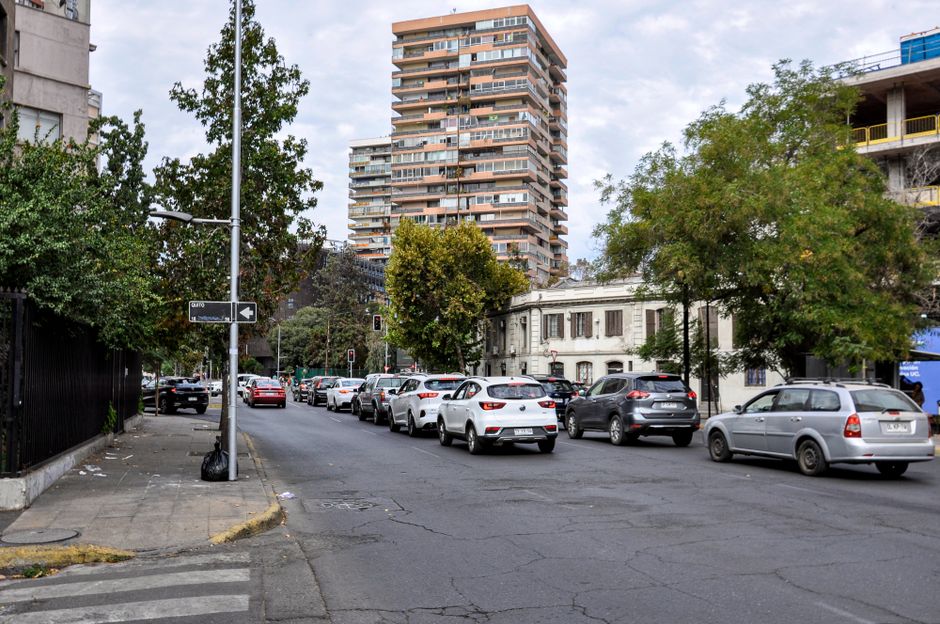
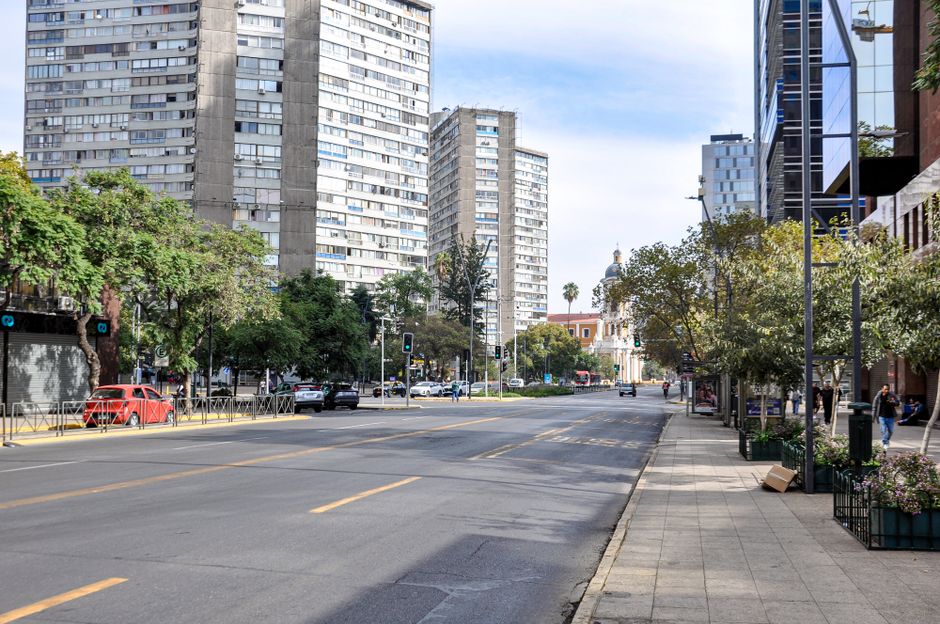
The City Council's recent approval of zoning modifications for the Pedro de Valdivia district has ignited fierce debate among residents who worry the decision prioritizes developer interests over community stability. The proposed changes would permit buildings up to 18 storeys in an area currently capped at eight, potentially triggering a wave of property acquisitions and displacement.
"We've lived here for thirty years," said neighbourhood association representative Clara Moreno during a public forum last week at the Centro Comunitario Lastarria. "Now we're watching our neighbours sell because investors are offering prices they can't refuse. But what happens to those of us who want to stay?"
Housing costs in the broader Santiago metropolitan area have surged 12 percent annually since 2023, with Pedro de Valdivia—historically an affordable middle-class enclave—seeing particularly sharp increases. A two-bedroom apartment that rented for 650,000 pesos two years ago now commands 950,000. Property values have climbed an estimated 28 percent.
The municipal government argues the densification responds to Santiago's acute housing shortage, with estimates suggesting the city needs 80,000 new units to accommodate projected population growth through 2035. Urban planning director Roberto Fuentes told reporters the scheme would "unlock housing supply while preserving neighbourhood character through graduated height restrictions."
However, affected residents remain unconvinced. Small business owners along Avenida Andrés Bello—where local shops, cafes, and family-run services have operated for decades—fear their commercial leases will become untenable. "Landlords are already hinting at rent increases," said Tomás Vélez, who operates a hardware store in the district. "We can't compete with multinational retailers that developers will bring."
Social organisations including Vivienda Para Todos have called for mandatory affordable-housing quotas within new developments, arguing that market-rate construction alone won't benefit lower-income households. Current proposals require only 15 percent affordable units—well below the 25 percent advocacy groups consider minimally adequate.
The neighbourhood's demographic profile complicates the debate. Pedro de Valdivia houses numerous pensioners and multigenerational families with limited financial flexibility. Community health centre director Gabriela Soto warned of mental health implications: "Displacement anxiety is already affecting patients. Housing isn't just infrastructure—it's social stability."
Council deliberations on implementation details continue through August. Residents have requested expanded public consultation periods and stricter rent-control provisions, though neither appears likely given the current political climate favouring development acceleration.
This article was compiled by AI from the sources linked above and screened before publishing. See our editorial standards.
How does this story make you feel?
Spread the word
About this article
Published by The Daily Santiago
Daily brief
Free, in your inbox before 7am. Weekdays.
More in News