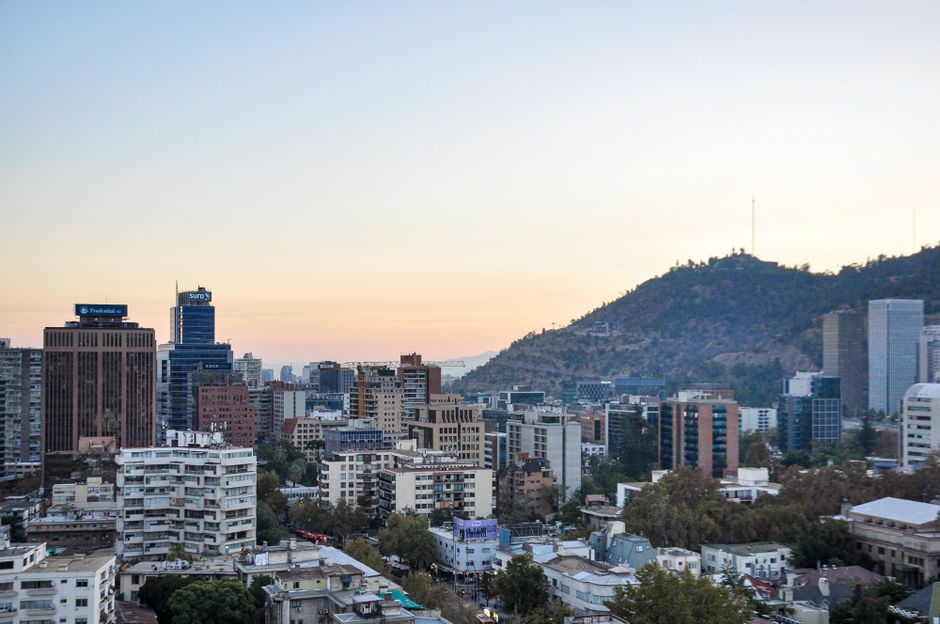
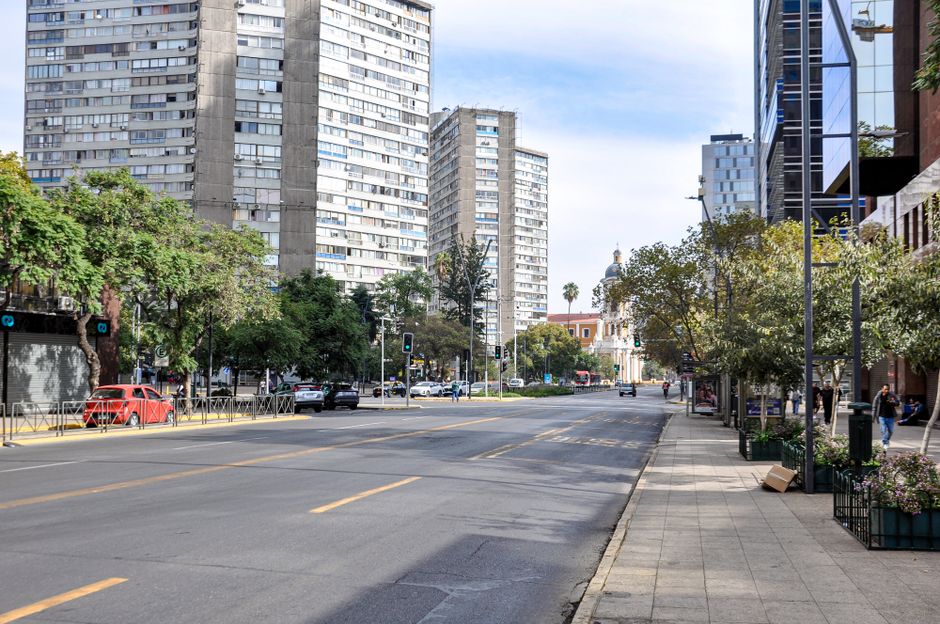
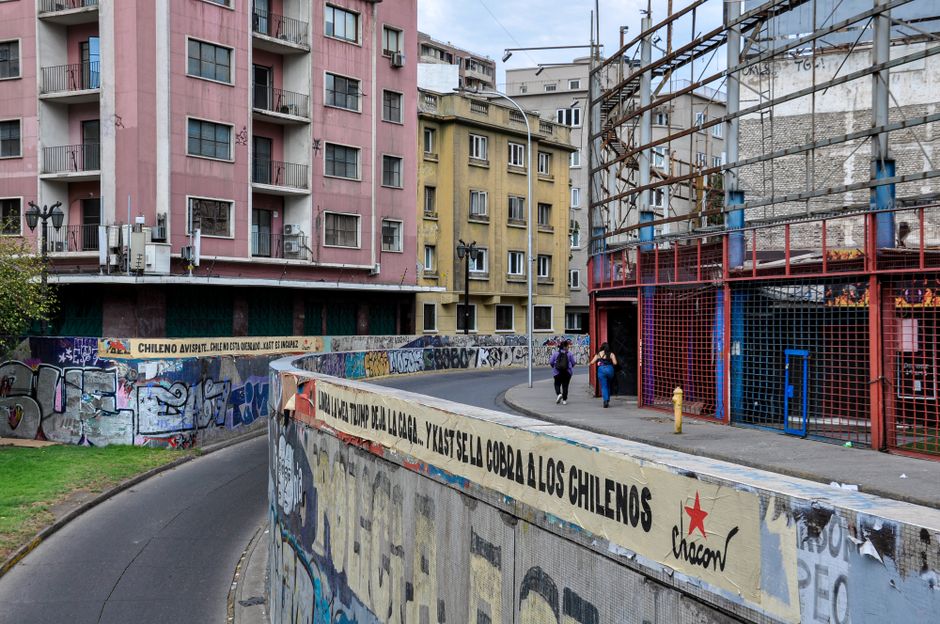
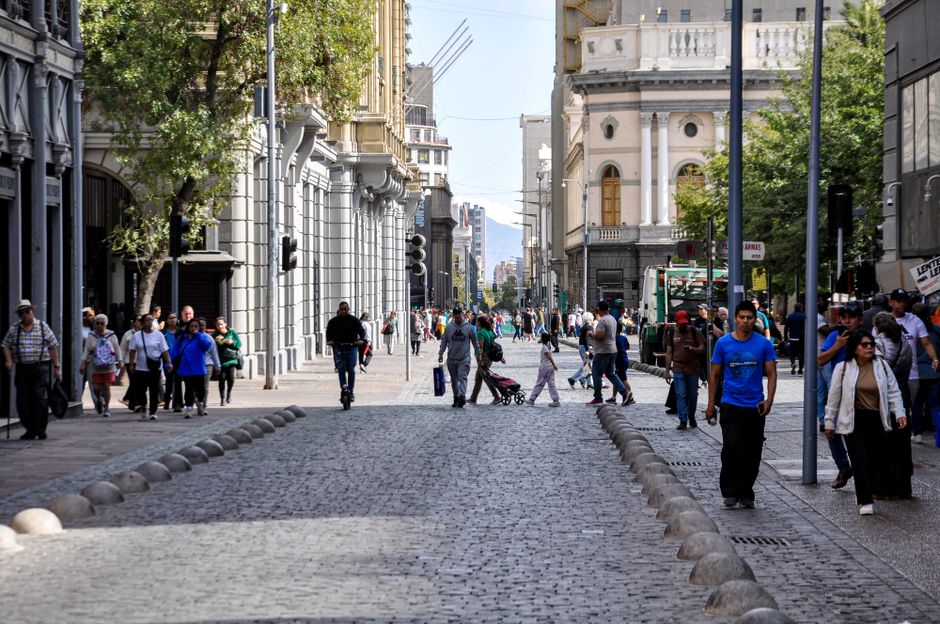
A coalition of neighborhood associations gathered at the Biblioteca Pública de Providencia last week to voice mounting concerns about Santiago's aggressive redevelopment agenda, with residents from working-class districts claiming their voices are being systematically excluded from planning decisions that will reshape their communities.
The tension centers on the city's new urban densification strategy, which aims to increase residential capacity by 40 percent over the next five years—primarily through multi-story apartment complexes in traditionally low-rise neighborhoods like La Florida, Puente Alto, and parts of Maipú. While municipal officials frame the initiative as essential to addressing a housing shortage that has pushed average property prices to over $450,000 USD in central districts, affected residents argue the approach ignores their input and accelerates gentrification.
"No one came to ask us what we need," said a representative from the Junta de Vecinos de La Florida, speaking on condition of anonymity. "The developers present their plans to city hall, and by the time we hear about them, the permits are nearly approved."
The discontent extends to specific proposals. Plans to redevelop the former industrial corridor along Avenida Américo Vespucio have sparked particular resistance, with residents warning that the promised 2,000 new affordable units fall far short of the 8,000 families currently renting in adjacent neighborhoods. Community surveys conducted by local nonprofits suggest over 65 percent of current residents in targeted districts would be displaced within a decade if current market trends continue.
The Fundación Vivienda Digna, a Santiago-based housing advocacy organization, has called for mandatory community consultation periods and rent-control mechanisms before approving new projects. "Densification isn't inherently bad," the foundation noted in a recent statement, "but it must include protections for existing residents and meaningful participation in design decisions."
City planners acknowledge the criticism. Municipal housing officials announced in May that they would establish neighborhood advisory boards for future major projects—a modest concession that some residents view as insufficient. The first board, convening in August, will address redevelopment around Estación Central.
Meanwhile, property speculation continues. Real estate transactions in areas zoned for densification have jumped 34 percent in the past eighteen months, according to independent market analysis, prompting fears that investors are positioning themselves to profit from displacement.
As Santiago grapples with genuine housing scarcity, the challenge lies in achieving growth while keeping communities whole—a balance city officials have yet to clearly demonstrate they can strike.
This article was compiled by AI from the sources linked above and screened before publishing. See our editorial standards.