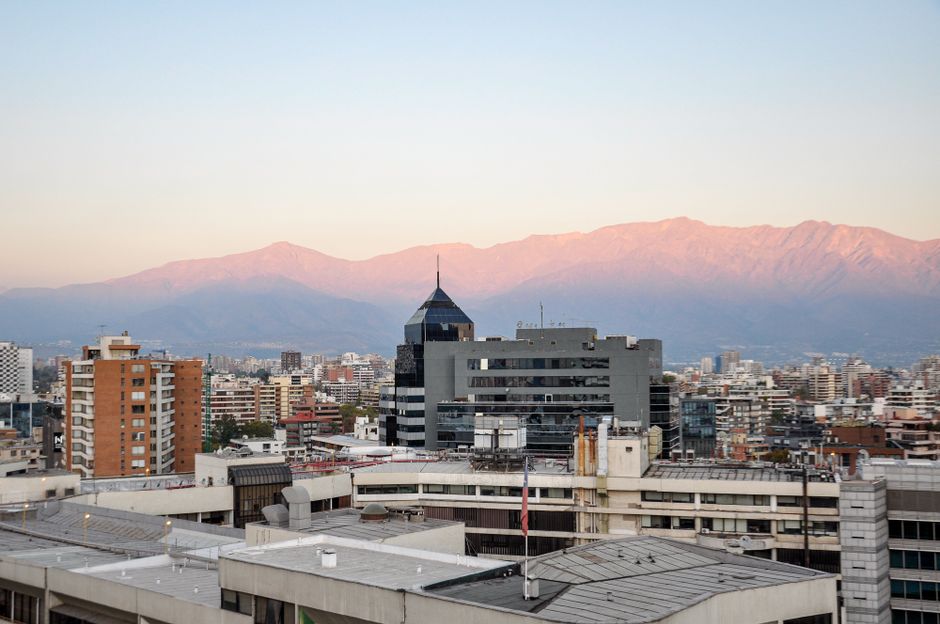
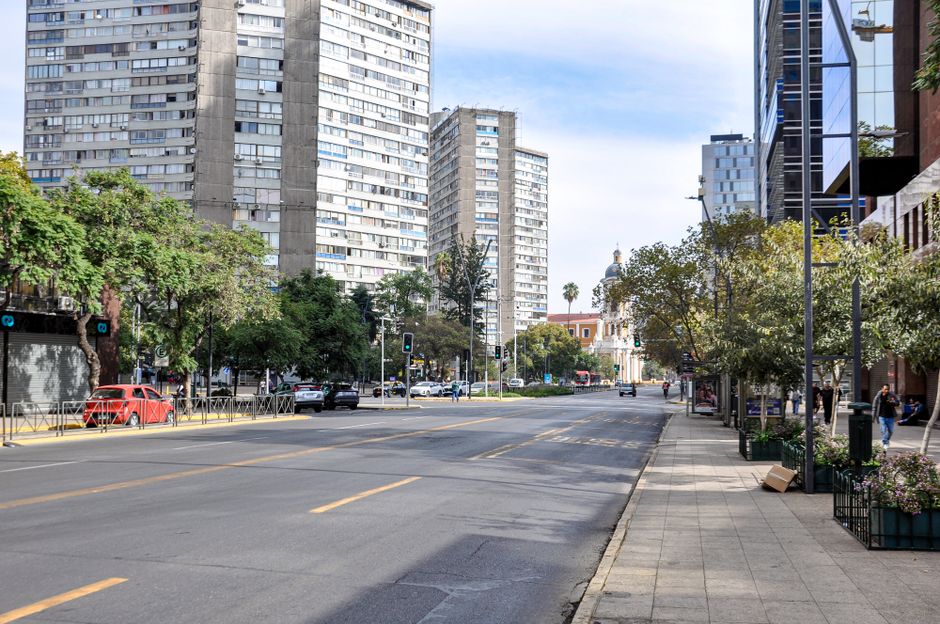
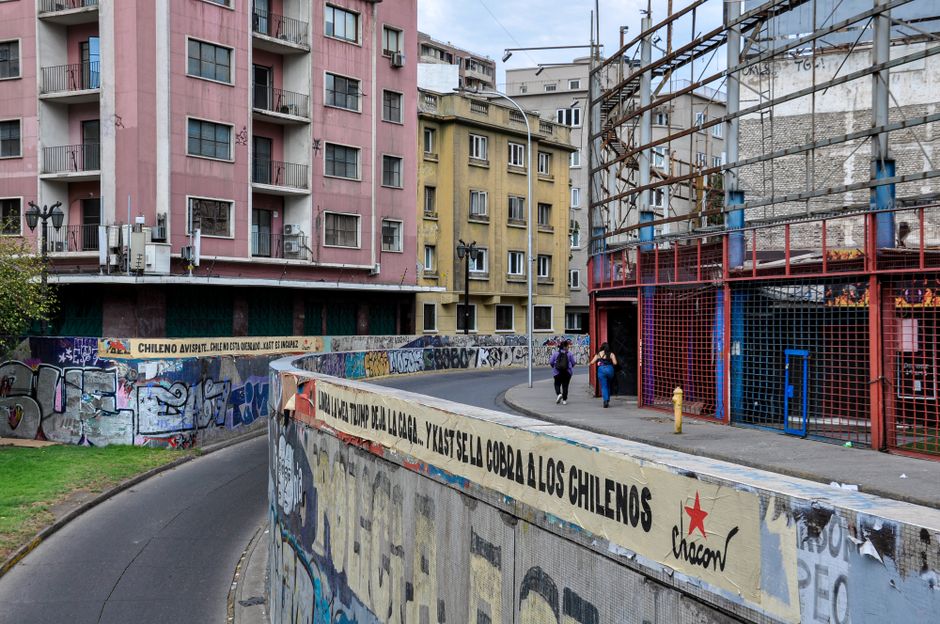
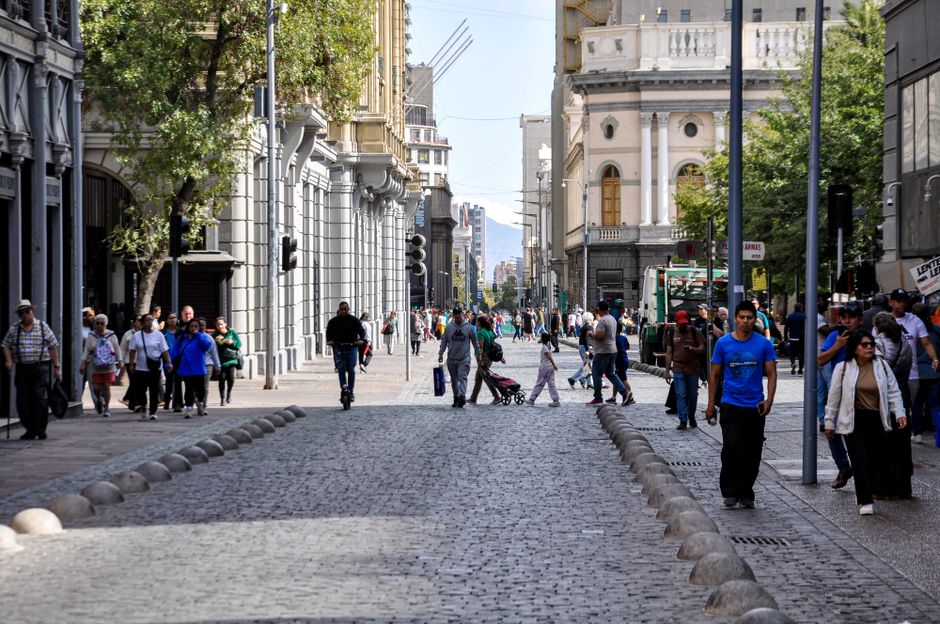
Santiago's migrant population has grown by an estimated 23% over the past three years, with particular spikes from Venezuela, Pakistan, and the Democratic Republic of Congo. For residents across the city's diverse neighbourhoods, this shift is no longer a distant headline—it's reshaping schools, straining healthcare capacity, and creating unexpected entrepreneurial opportunities along Avenida Alameda and beyond.
The impact is most visible in public education. Las Condes and Ñuñoa primary schools report that classrooms now include children from 12 or more countries. While educators praise the cultural richness, administrators quietly acknowledge that translation services and specialised support for trauma-affected students remain underfunded. The Colegio de Profesores released data showing 18% of Santiago's public school enrolment now involves first-generation migrant children, straining existing resources. Yet rental demand in familia-friendly neighbourhoods like Recoleta has climbed 16% year-on-year, partially driven by migrant families seeking affordable housing within reach of employment.
Healthcare services at Hospital Salvador and nearby clinics have absorbed significant pressure. Emergency rooms report longer wait times, and paediatricians working near Barrio Brasil note higher demand for vaccinations and infectious disease screening. Yet Dr María José García, speaking generically about healthcare trends, emphasised that preventative care among migrant populations often prevents costlier interventions—a reality some private insurers have begun to recognise through partnership initiatives.
The economic story is more complicated than strain alone. Migrant entrepreneurs have revitalised commercial corridors in Independencia and San Miguel, opening restaurants, repair shops, and services that have attracted both community members and curious locals. The Vietnamese and Pakistani communities operating near Mercado Central have driven foot traffic increases of roughly 12% over two years, according to local business associations. Remittance agencies have proliferated along Calle Dieciocho, creating jobs while extracting value from these same communities.
But integration remains uneven. Language classes run by organisations like Fundación Paz Ciudadana fill quickly; daycare waiting lists in Providencia exceed 200 children. Police in peripheral neighbourhoods report communication barriers complicating both crime reporting and community policing efforts.
Santiago faces a choice: invest in genuine integration infrastructure—translation services, accelerated credential recognition for skilled migrants, targeted healthcare training—or allow demographic change to occur ad hoc, widening inequality. The next municipal budget cycle will likely reveal whether the city views migration as a challenge or an opportunity to build more resilient, connected neighbourhoods.
This article was compiled by AI from the sources linked above and screened before publishing. See our editorial standards.