Santiago's Green Blueprint Takes Shape: Major Sustainability Wins This Week
City officials announce aggressive emissions targets while new transit initiatives roll out across Ñuñoa and Providencia neighbourhoods.
City officials announce aggressive emissions targets while new transit initiatives roll out across Ñuñoa and Providencia neighbourhoods.
Santiago's environmental agenda accelerated dramatically this week, with municipal authorities unveiling a series of interconnected sustainability projects designed to reshape how the city manages resources and reduces its carbon footprint over the next five years.
The centrepiece announcement came Wednesday when the Metropolitan Environmental Authority released binding emissions reduction targets requiring a 35 per cent decrease in air pollution by 2031—a significant jump from the previously proposed 28 per cent goal. The directive specifically targets industrial operations in the eastern industrial corridor and mandates stricter vehicle emissions standards for public transport operators across all twelve communes.
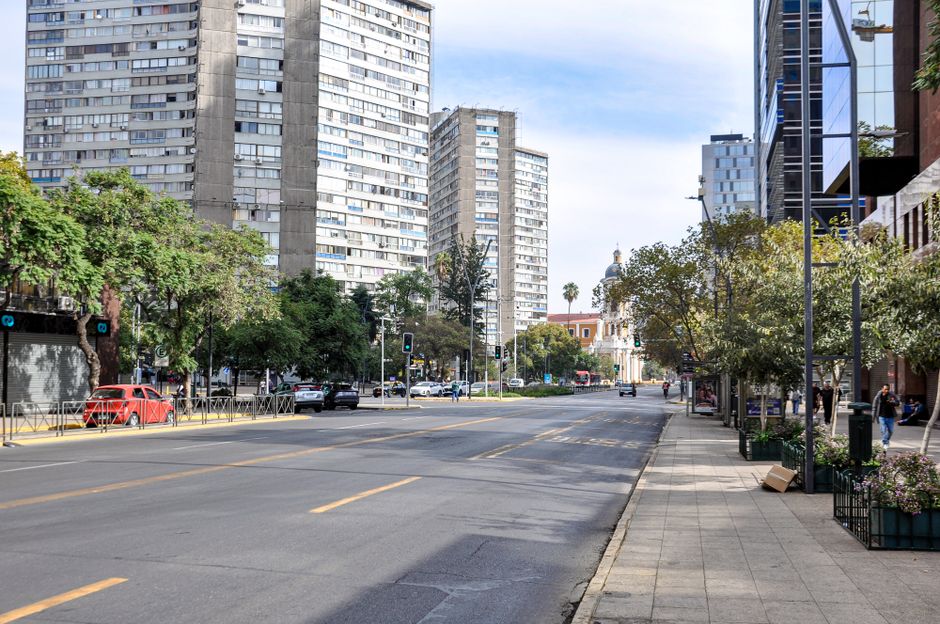
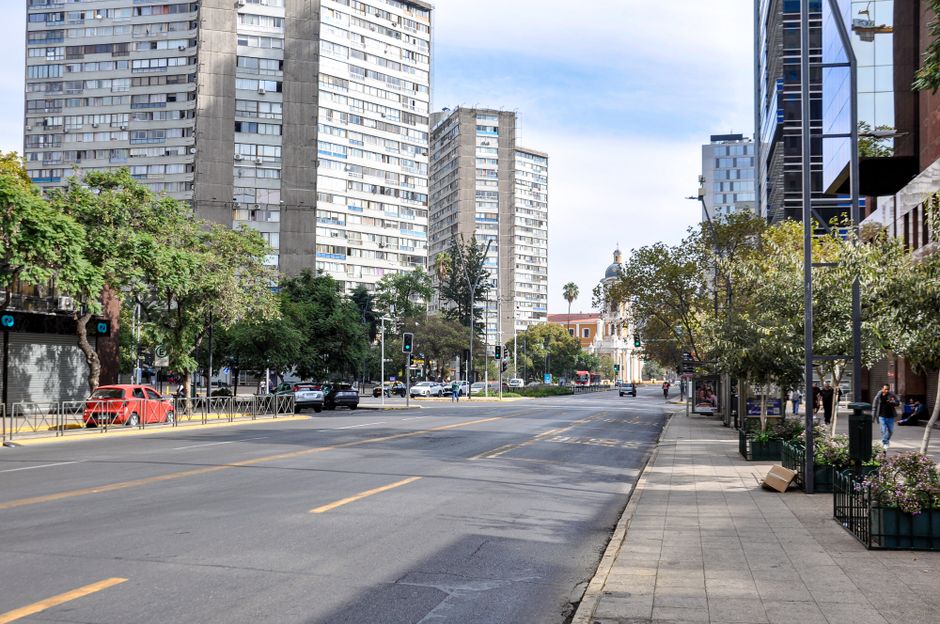
Running parallel to these regulations, the municipality of Ñuñoa unveiled an expanded network of protected green corridors along Avenida Américo Vespucio, converting 8.5 kilometres of underutilised medians into biodiverse native plant zones. Local contractors began installation Monday, with completion expected by October. The initiative aims to reduce surface temperatures in the neighbourhood by up to 2.8 degrees Celsius while simultaneously improving stormwater management—a critical concern given Santiago's historically dry climate and periodic flooding in low-lying areas.
Meanwhile, Providencia's water conservation programme entered its implementation phase this week. Building managers across the neighbourhood received certification training for a new tiered pricing system that penalises excessive consumption while subsidising essential household use. Initial pricing structures set standard residential consumption at 20,000 litres monthly; usage beyond that threshold incurs a 40 per cent surcharge. Anticipating resistance, authorities have established grace periods for commercial properties through August.
The week also saw confirmation that Fundación Chile, the country's leading sustainability research institute, will establish a permanent innovation lab in the Lastarria cultural district. The facility will focus on circular economy solutions and sustainable agriculture technologies applicable across Chile's diverse climatic zones. Initial funding totals 4.2 million USD, with matching contributions from three multinational technology firms.
Environmental advocates have cautiously welcomed the announcements, though questions persist about enforcement mechanisms and funding allocation for lower-income communes in the city's southern and western sectors. The city's environmental coordinator acknowledged these concerns during a Friday press briefing, indicating that budget discussions for equitable implementation will dominate municipal council sessions throughout July.
Critics note that while these initiatives represent meaningful progress, they arrive amid ongoing tension between Santiago's rapid economic development and its environmental carrying capacity—a pressure that intensified as the city's population approached 6.3 million residents.
This article was compiled by AI and screened before publishing. See our editorial standards.
How does this story make you feel?
Spread the word
About this article
Published by The Daily Santiago
Daily brief
Free, in your inbox before 7am. Weekdays.
More in News