What Santiago's auction rooms and price data are really signalling about housing affordability
Recent clearance rates and market moves reveal a market searching for equilibrium—and exposing the widening gap between aspirational buyers and reality.
Recent clearance rates and market moves reveal a market searching for equilibrium—and exposing the widening gap between aspirational buyers and reality.
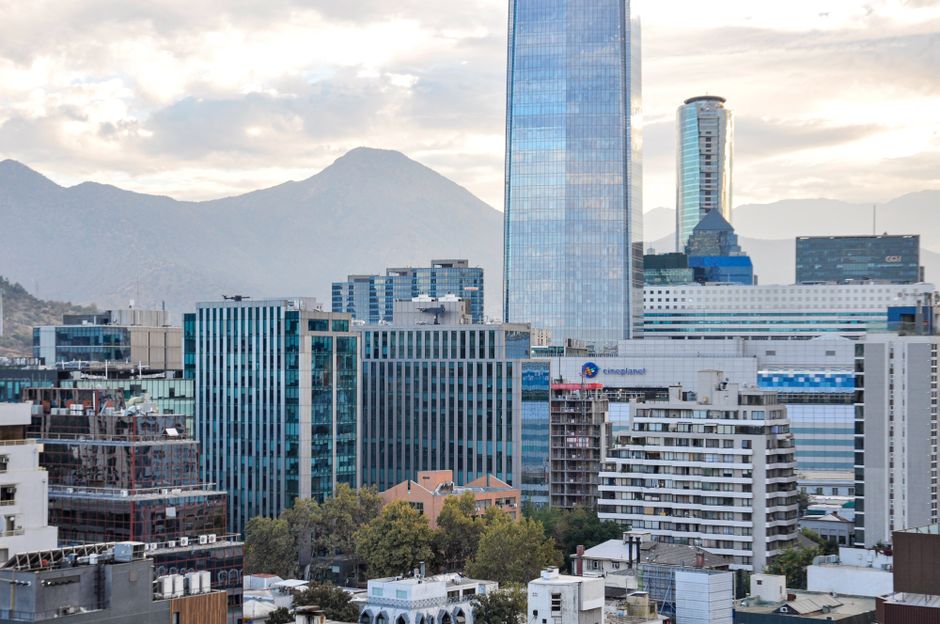
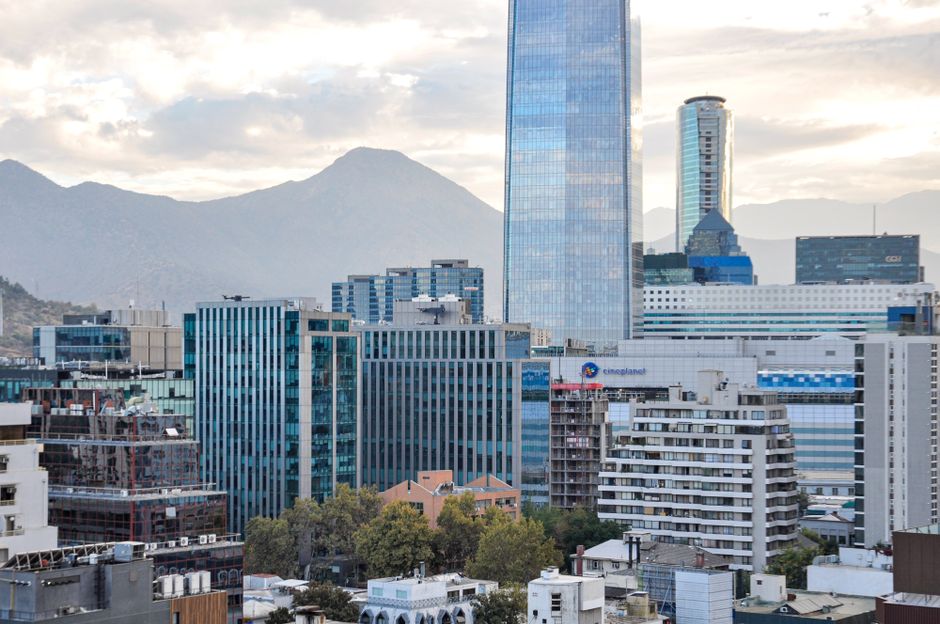
The auction block tells stories that headline prices often miss. In recent weeks, Santiago's property market has been sending mixed—and telling—signals through both formal auctions and private sale data, painting a picture of a market in transition rather than recovery.
The average property price hovering near CLP 85 million masks profound neighbourhood divergence. In Las Condes and Vitacura, where renovated homes along Avenida Presidente Riesco regularly exceed CLP 120 million, activity remains steady but cautious. Yet the real tension sits elsewhere: in Providencia and Ñuoa, where middle-class families once moved naturally up the property ladder, prices have begun stubborn resistance. Properties that might have sold within weeks in 2024 now linger 60 to 90 days on market.
Auction clearance rates tell the story most plainly. Recent results from major venues—including Agrícola and Christie's Santiago—show clearance rates struggling to maintain 55 per cent, significantly below the 70 per cent threshold that typically signals market confidence. When properties do sell at auction, the margin between reserve and final price has tightened dramatically. This isn't a signature of a market with pent-up demand; it's a signature of negotiation fatigue.
The growth zones—Maipú and Quilicura—present a different narrative. New apartment stock, often priced between CLP 45 million and CLP 65 million, continues to move, particularly among first-time buyers and young families. But even here, developer incentives have become routine: extended payment plans, furniture packages, and waived transfer taxes. These aren't offered in markets with unshakeable momentum.
Foreign investment, once a stabilising force, appears selective rather than broad. While international buyers remain present in premium corridors and new developments near metro stations, the speculative energy that characterised 2023-24 has noticeably cooled.
What the data signals is neither crash nor boom, but rather a market recalibrating. Buyers who possess flexibility are waiting; those without it are negotiating harder. The gap between what sellers imagined their properties worth and what the market will bear has widened to the point where auctions, once a tool of last resort, have become routine price-discovery mechanisms.
For first-time buyers in Providencia and Ñuoa, this repricing offers genuine opportunity. For investors who banked on continued appreciation, the message is harsher: the era of automatic gains has ended. Santiago's property market isn't broken. It's simply learning its new limits.
This article was compiled by AI from the sources linked above and screened before publishing. See our editorial standards.
How does this story make you feel?
Spread the word
About this article
Published by The Daily Santiago
Daily brief
Free, in your inbox before 7am. Weekdays.
More in Property