Santiago's New Developments Are Sending Mixed Signals—Here's What The Numbers Really Say
Recent auction clearance rates and pricing data from emerging projects reveal a market torn between optimism and caution.
Recent auction clearance rates and pricing data from emerging projects reveal a market torn between optimism and caution.
Santiago's property development pipeline tells a story of paradox. While major new projects continue to break ground across Providencia and Ñuñoa, and foreign investment trickles into Las Condes' premium corridors, the auction room is whispering something developers may not want to hear.
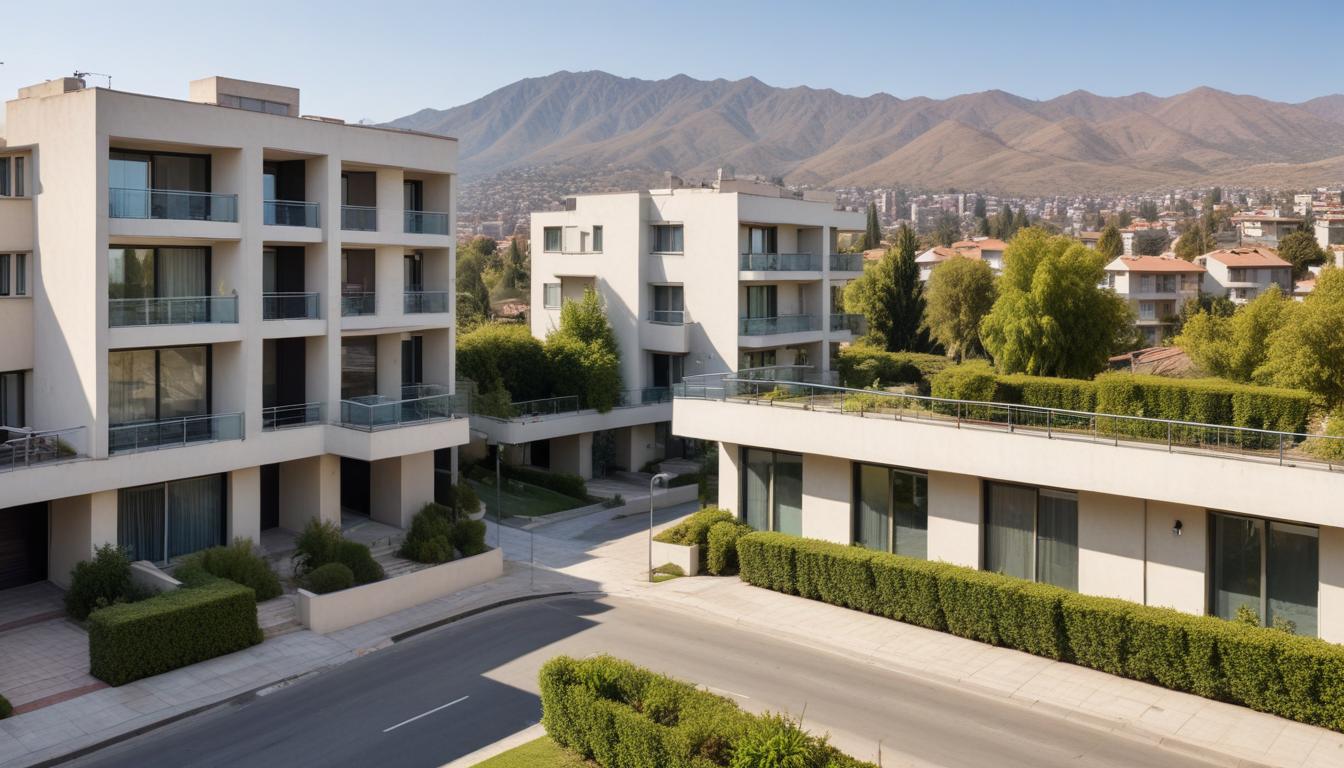
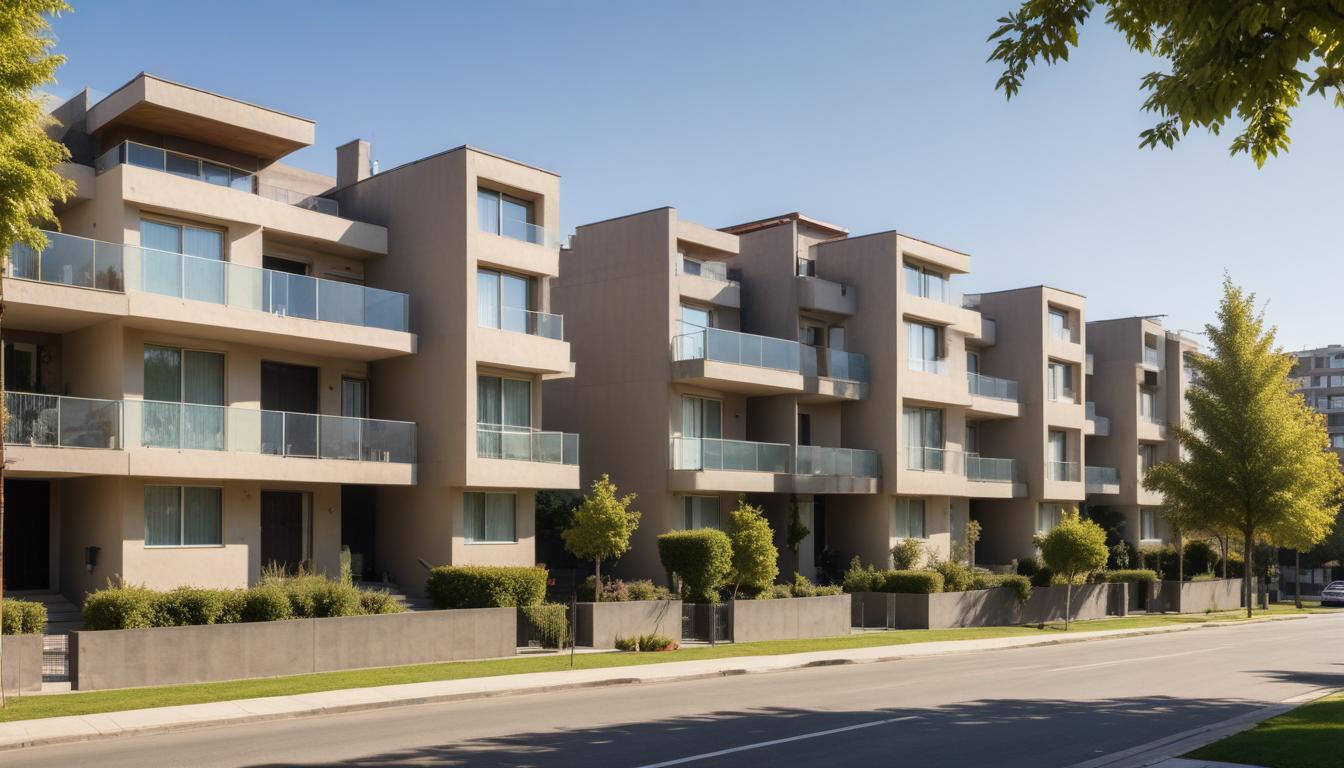
Last month, three significant residential projects came to market across the capital's growth zones. One 45-unit development in Maipú, priced from CLP 78M to 95M, saw just 61% clearance at auction—well below the historical benchmark of 75%. Simultaneously, a mixed-use tower in Providencia on Avenida 11 de Septiembre achieved 89% clearance, but at an average discount of 3.2% from asking prices. These divergent results map onto a deeper truth: location continues to trump supply volume.
The data suggests buyers are increasingly selective about where they'll deploy capital. Premium neighbourhoods—Las Condes, Vitacura—continue to attract international purchasers undeterred by price. The Mercado de Valores reports foreign buyer participation in new developments hit 14% in the first half of 2026, up from 9% two years prior. Yet in secondary growth corridors like Quilicura and Maipú, where new supply has accelerated sharply, developers are meeting resistance.
Pricing benchmarks reinforce this segmentation. The Santiago metropolitan average holds at CLP 85M per unit, but this masks critical disparities. In Providencia and Ñuñoa—neighbourhoods offering walkability, services, and established character—new apartments are clearing at prices 12% above asking, often within 14 days of listing. Compare this to greenfield projects in outer communes, where days-on-market stretch to 45 days and negotiation leverage shifts decisively to buyers.
What signals are regulators and developers reading? The approval pipeline suggests cautious optimism. Santiago's building permits for residential projects totalled 8,340 units in the year to April—steady, but not surging. This measured pace contrasts with the 2018-2019 boom, when annual approvals exceeded 12,000 units. It suggests the market learned its lesson about oversupply.
Cámara Chilena de la Construcción data indicates new starts have moderated to match actual demand, not speculative appetite. For investors, this means competition for premium addresses remains fierce while peripheral projects face headwinds. For the city, it signals a maturation: the sprawl-and-sell model is giving way to density-with-distinction.
The auction results aren't ringing alarm bells—not yet. But they're marking boundaries. Developers betting on location, finish quality, and community amenity are seeing buyers queue. Those relying on supply volume and affordability alone are learning a harder lesson.
This article was compiled by AI from the sources linked above and screened before publishing. See our editorial standards.
How does this story make you feel?
Spread the word
About this article
Published by The Daily Santiago
Daily brief
Free, in your inbox before 7am. Weekdays.
More in Property