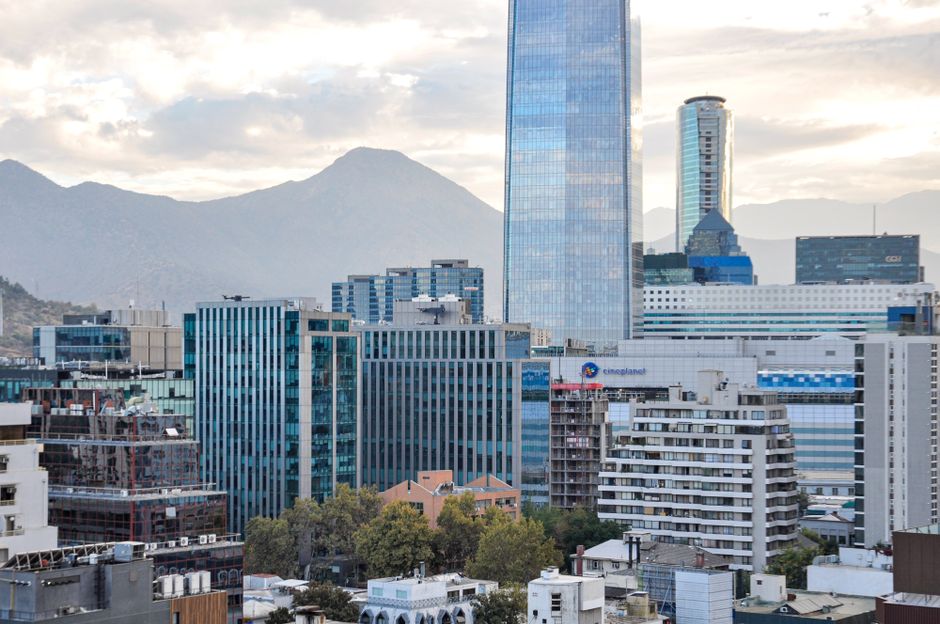
Santiago's property landscape is shifting fast. Over the past eighteen months, construction approvals for new residential developments have accelerated across multiple neighbourhoods, yet prices continue climbing despite increased supply—a paradox that reveals deeper forces at work in Chile's capital.
The trend is most visible in Providencia and Ñuñoa, where mid-range projects targeting the CLP 100–150M bracket have multiplied. Developers are banking on sustained demand from young professionals and families priced out of Las Condes and Vitacura, where premium addresses along Avenida Apoquindo now routinely exceed CLP 250M for comparable space. Meanwhile, Maipu and Quilicura have emerged as genuine growth corridors, with approvals climbing 34% year-on-year according to municipal permitting data, attracting both owner-occupiers and investors seeking capital appreciation.
What's driving these prices upward, even as cranes proliferate? Three factors converge. First, construction costs remain elevated—labour, materials, and compliance with Chile's increasingly stringent seismic and environmental standards push developer margins higher than in previous cycles. Second, foreign buyer interest has intensified. Argentine and Peruvian nationals now account for roughly 12–15% of new apartment sales in central neighbourhoods, competing with locals and pushing benchmarks upward. Third, financing conditions have tightened, meaning fewer first-time buyers can access the market, reducing supply pressure at the entry level.
For buyers navigating this moment, timing and location strategy matter enormously. Projects nearing completion in Providencia—particularly around Avenida 11 de Septiembre and Parque Bustamante—offer the chance to purchase off-plan at lower prices than finished inventory. However, settlement timelines have extended; expect 24–30 months from purchase to handover, meaning price locks are a genuine advantage if rates stabilize.
Las Condes remains a premium hold, with developments along Avenida El Golf commanding attention from wealth-preservation buyers. But savvy investors are eyeing consolidation plays in Maipu, where infrastructure spending and Metro expansion plans suggest medium-term upside beyond current CLP 85M averages.
The regulatory backdrop matters too. New environmental impact assessments and heritage protections in historic zones have slowed some approvals, tightening supply where it might otherwise ease. This friction, counterintuitively, supports price resilience.
The window to lock entry prices in well-located emerging projects closes as completions rise. Buyers should act within the next 6–9 months if targeting value in secondary neighbourhoods; premium zones, meanwhile, continue pricing for scarcity rather than abundance.
This article was compiled by AI from the sources linked above and screened before publishing. See our editorial standards.