First-time buyers face landlord squeeze as Santiago's rental market tightens purse strings
Rising rents in Providencia and Ñuñoa are keeping young tenants locked out of ownership, while property investors reassess their lending strategies.
Rising rents in Providencia and Ñuñoa are keeping young tenants locked out of ownership, while property investors reassess their lending strategies.
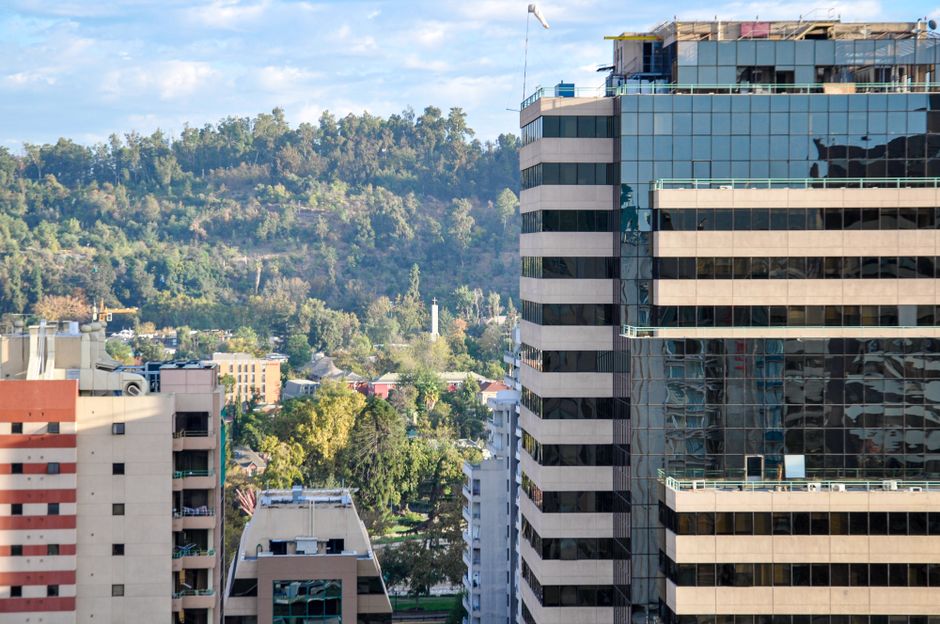
Santiago's rental market has entered a peculiar standoff. While first-home buyers increasingly rely on government grants and flexible financing to escape the tenant trap, landlords themselves are becoming more cautious about leveraging their portfolios—a dynamic reshaping who can actually afford to live where.
The pressure is most visible in traditionally popular neighbourhoods. Apartments in Providencia now command monthly rents between CLP 650,000 and 950,000, while comparable units in Ñuñoa hover around CLP 580,000 to 800,000. For a first-time buyer earning an average Santiago salary, saving a deposit while paying these rents has become mathematically brutal. Many are now stretching to qualify for grants like the Subsidio de Integración Social (SIS) or leveraging the Fondo Solidario de Vivienda, programs that have gained traction precisely because traditional savings paths have become unrealistic.
What's less visible—but equally important—is the landlord side. Property investors around Lastarria and the eastern corridors of Las Condes are reassessing their expansion plans. Rising interest rates and tighter bank lending criteria mean that leveraged purchase strategies are no longer automatic wealth builders. Some are consolidating existing holdings rather than acquiring new ones, reducing rental supply and pushing rates higher still.
This creates a feedback loop. Higher rents mean longer tenant tenure in existing homes, reduced mobility, and fewer people moving up the ownership ladder. The gap between CLP 85 million (Santiago's current average property price) and what a first-time buyer can actually borrow keeps widening.
Government responses have focused on supply-side solutions. The expanding Subsidy Integrado de Vivienda program now covers properties up to CLP 110 million in some zones, and institutional lenders have introduced 35-year mortgages specifically targeting first buyers—unthinkable five years ago. Yet these remain band-aids on a structural problem: until rental costs fall or incomes rise significantly, many young Santiaguinos will remain perpetually priced out.
The emerging market reality favours established investors with existing equity and cash reserves—those in Vitacura and Las Condes who can weather volatility. Meanwhile, aspiring owners in Maipú and Quilicura, where growth is happening but affordability is tighter, increasingly depend on family support or grants to bridge what mortgages won't cover.
For policy makers, the challenge is clear: a market where landlords are cautious, rents are climbing, and first-time buyers need government grants just to participate is not sustainable long-term growth.
This article was compiled by AI from the sources linked above and screened before publishing. See our editorial standards.
How does this story make you feel?
Spread the word
About this article
Published by The Daily Santiago
Daily brief
Free, in your inbox before 7am. Weekdays.
More in Property