Santiago's New Rental Projects Cut Vacancy Rates
Providencia and Ñuñoa developments increase housing options for renters while reshaping neighbourhood demographics and affordability.
Providencia and Ñuñoa developments increase housing options for renters while reshaping neighbourhood demographics and affordability.
Listen to this article · 4:08
Santiago's rental market is entering a pivotal moment. With vacancy rates hovering around 6-8% in central zones—up from the historical 3-4% baseline—a surge of new residential developments is poised to reshape where and how tenants find homes across the metropolitan area.
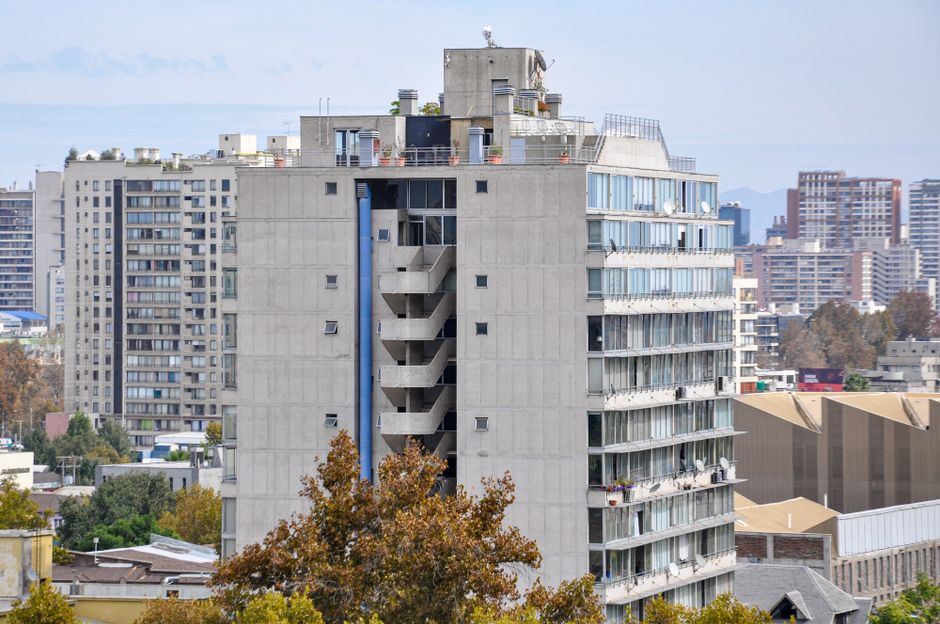
The shift is already visible. Along Avenida Providencia and throughout the Providencia-Ñuñoa corridor, construction sites signal a significant supply expansion. These aren't modest infill projects; they represent intentional densification by major developers responding to sustained demand. For tenants, this matters enormously. More units typically mean more negotiating power—longer lease terms, lower price escalations, and fewer bidding wars for desirable properties.
Historically, Las Condes and Vitacura commanded rental premiums averaging CLP 1.2-1.5M monthly for two-bedroom apartments, with limited turnover. Today's projects are deliberately targeting the mid-range bracket where Providencia and Ñuñoa dominate. New buildings near Metro stations—particularly along Línea 6—are offering furnished and semi-furnished options at CLP 800K-1.1M, directly competing with older stock and forcing existing landlords to modernise or reduce expectations.
The growth zones present a different calculus. Maipú and Quilicura, traditionally overlooked by premium renters, are seeing younger professionals and families attracted by new developments offering amenities once reserved for affluent neighbourhoods. These projects include co-working spaces, fitness centres, and pet-friendly policies—signals that developers understand tenant expectations have evolved beyond basic shelter.
But supply expansion brings complications. Neighbourhoods like Ñuñoa face character erosion as mid-rise residential towers replace heritage streetscapes. Parking and infrastructure strain are legitimate community concerns, particularly around Avenida Ñuñoa itself. Tenants in established buildings may face pressure to relocate as landlords sell to developers, disrupting long-term residents despite improved area-wide rental choice.
Foreign buyer interest—particularly from North America and Europe—has added unpredictable demand layers. While most focus on purchase rather than rental, some acquire new units as short-term investment plays, further fragmenting the rental landscape.
For pragmatic tenants, the moment favours action. Vacancy rates are unlikely to compress significantly until late 2027, meaning current conditions offer genuine selection. The trick is timing: securing leases before projects stabilise and competing supply fully materialises. Those patient enough to wait for new buildings to complete may access superior finishes and amenities. Those needing immediate housing will find landlords surprisingly flexible on terms.
Santiago's rental market isn't tightening—it's fragmenting. That distinction shapes everything from negotiation leverage to neighbourhood stability.
This article was compiled by AI from the sources linked above and screened before publishing. See our editorial standards.
How does this story make you feel?
Spread the word
About this article
Published by The Daily Santiago
Daily brief
Free, in your inbox before 7am. Weekdays.
More in Property