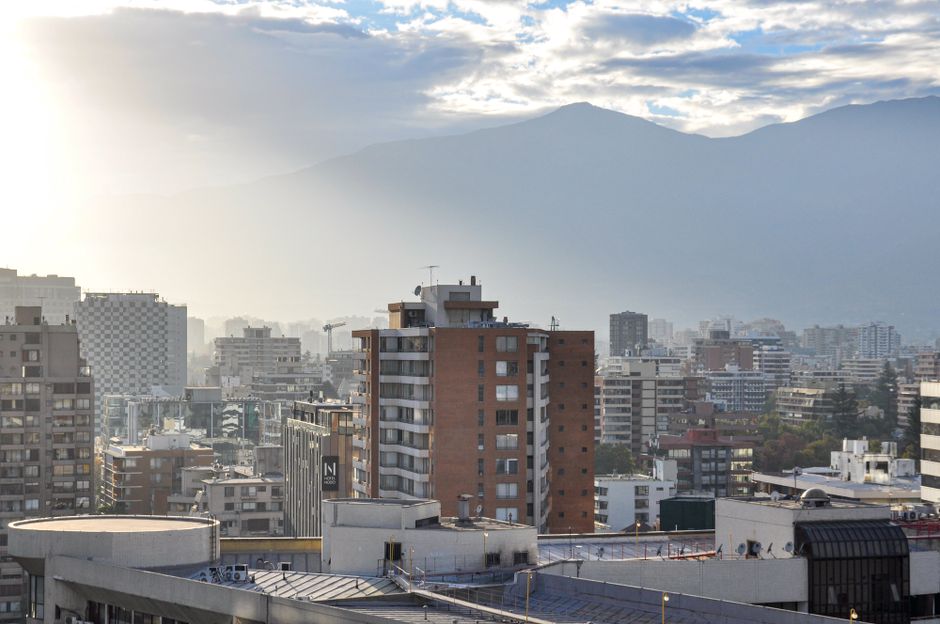
While Las Condes and Vitacura continue to command premium prices, a quieter transformation is reshaping Santiago's property landscape. Maipú, long dismissed as a dormitory suburb, is rapidly becoming the city's most watched affordable housing play, with institutional developers and foreign investors now seeing opportunity where middle-class families have quietly been building equity for decades.
The shift reflects a fundamental market reality: as central Santiago's average property price hovers around CLP 85 million, Maipú offers comparable square meterage at 30-40% discounts. Recent zoning reforms and metro connectivity improvements have unlocked development potential along Avenida 5 de Abril and surrounding corridors, attracting major builders who've historically focused on established neighbourhoods.
"What's changed is infrastructure timing," explains the broader context of Santiago's property evolution. Maipú's proximity to Line 5 of the Metro, combined with planned improvements to Avenida Pajaritos and new commercial nodes near the shopping precinct at Paseo Maipú, has compressed traditional commute friction. For young professionals and growing families, the mathematics are compelling: a three-bedroom apartment in nearby Providencia or Ñuño now regularly exceeds CLP 120 million, while comparable stock in central Maipú sits closer to CLP 75-85 million.
The demographic tailwind matters equally. Chile's persistent housing deficit and the government's ongoing commitment to affordable housing targets have created policy momentum. Recent subsidies directed toward first-time buyers in communes outside the capital's traditional core have disproportionately benefited Maipú, where new construction meets affordability thresholds. Local real estate agents report inquiry volumes up 45% year-on-year, with particular interest from buyers aged 28-38 with children.
Foreign investment tells another story. Regional investors from Peru and Colombia, accustomed to higher-priced markets in Lima and Bogotá, see Maipú's pricing as accessible and its growth trajectory as genuine. Several Argentine and Brazilian funds have acquired land parcels near Estación Maipú for mid-rise residential projects targeting the CLP 70-90 million band.
The challenge remains perception. Maipú still carries cultural baggage as a working-class zone, despite decades of gradual gentrification. Yet that narrative gap increasingly represents opportunity for contrarian investors. As central Santiago's affordability crisis deepens and policy makers look south, Maipú's emergence as a genuine investment hotspot—rather than a consolation prize—appears neither accidental nor temporary.
This article was compiled by AI from the sources linked above and screened before publishing. See our editorial standards.