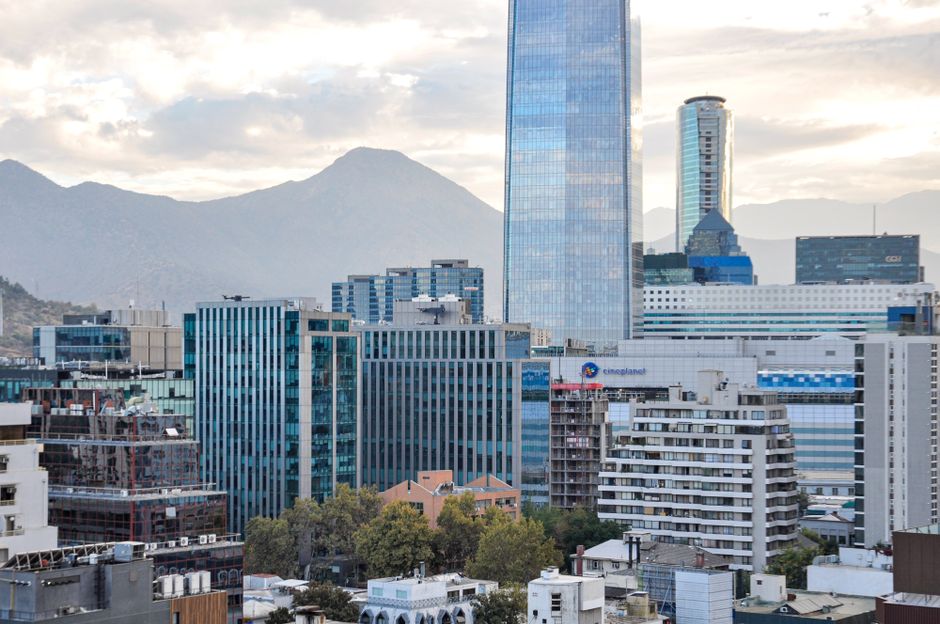
What Santiago's Auction Data and Price Shifts Are Really Telling First-Time Buyers
As clearance rates soften and growth suburbs outpace premium zones, the signals for grant-eligible buyers are clearer than ever.
As clearance rates soften and growth suburbs outpace premium zones, the signals for grant-eligible buyers are clearer than ever.
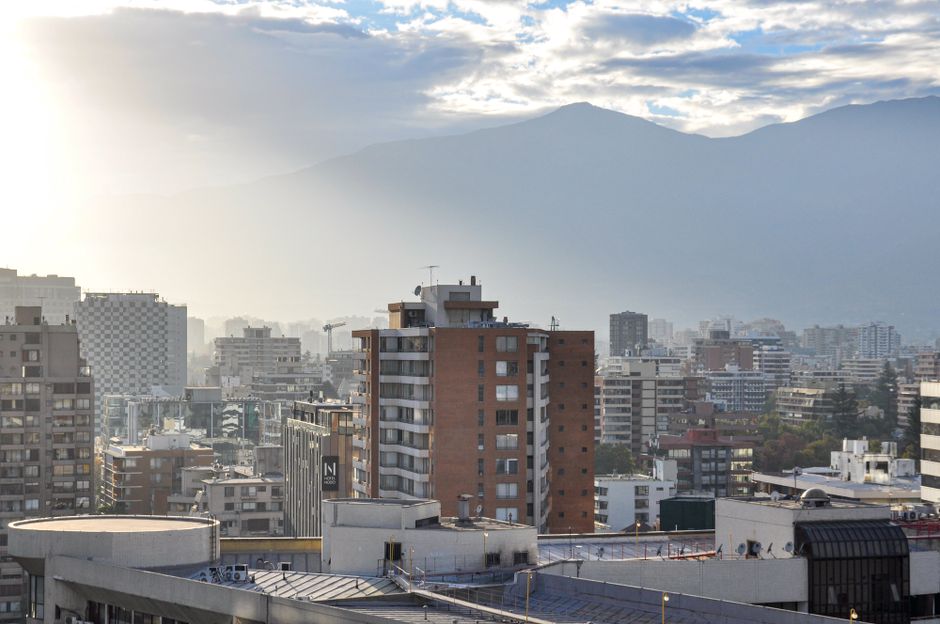
Santiago's property market is sending unmistakable signals to first-time buyers hunting for grants and finance—and they're not all pointing toward Las Condes or Vitacura anymore.
Recent auction activity across the capital reveals a market in transition. While premium neighbourhoods like Las Condes and Vitacura have long commanded the attention of wealthy investors and foreign buyers, clearance rates in these zones have softened noticeably. Meanwhile, growth suburbs including Maipú and Quilicura are registering stronger momentum, with properties moving faster and at more accessible price points for buyers eligible for first-home grants.
The data matters deeply for grant applicants. Most first-home buyer assistance schemes—including Subsidio al Ahorro and Crédito Hipotecario para Compra de Primera Vivienda—carry maximum property value thresholds, typically hovering around CLP 100-120 million depending on the program and current indexation. As central Santiago's average climbs toward CLP 85 million, that ceiling leaves little room for error in premium zones. Providencia and Ñuoa, traditionally popular with middle-income families, remain accessible but face mounting competition from international capital flowing into the metro.
What auction houses are signalling matters here too. Properties sitting longer before sale, or clearing at lower-than-expected prices, indicate market hesitation in traditionally expensive barrios. Conversely, faster turnover in western and southern growth corridors suggests supply-demand equilibrium is shifting—exactly where grant funds stretch furthest.
For buyers navigating Banco Estado's mortgage options or HF Seguros-backed finance products, the strategic implication is clear: expanding the search net beyond Providencia toward established neighbourhoods like Ñuoa or considering emerging submarkets in Maipú offers both better purchasing power and, increasingly, better resale conditions. The Línea 3 extension toward Quilicura has already redrawn commute maps; auction velocity in that zone reflects investor recognition of infrastructure-led value.
First-time buyers should scrutinise recent sold data from their target streets, not just asking prices. Auctions in Vitacura or Las Condes that have fallen through or re-listed signal seller expectations have outpaced buyer appetite—a headwind for grant applicants with fixed funding ceilings. By contrast, properties shifting quickly in Maipú or central Ñuoa suggest genuine market-clearing prices aligned with finance reality.
The signal is simple: grant eligibility no longer requires compromise on location quality. It demands smarter geography. As clearance rates normalise across the city, first-home buyers who follow the auction data westward and southward—rather than chasing status northward—will find both their grants and their financing stretch further, and their purchase windows shorten considerably less.
This article was compiled by AI from the sources linked above and screened before publishing. See our editorial standards.
How does this story make you feel?
Spread the word
About this article
Published by The Daily Santiago
Daily brief
Free, in your inbox before 7am. Weekdays.
More in Property