First-Time Landlords: Your Guide to Investment Property Yields in Santiago's Shifting Market
As rental demand climbs across the capital, novice investors need to understand where yields stack up—and where common pitfalls lurk.
As rental demand climbs across the capital, novice investors need to understand where yields stack up—and where common pitfalls lurk.
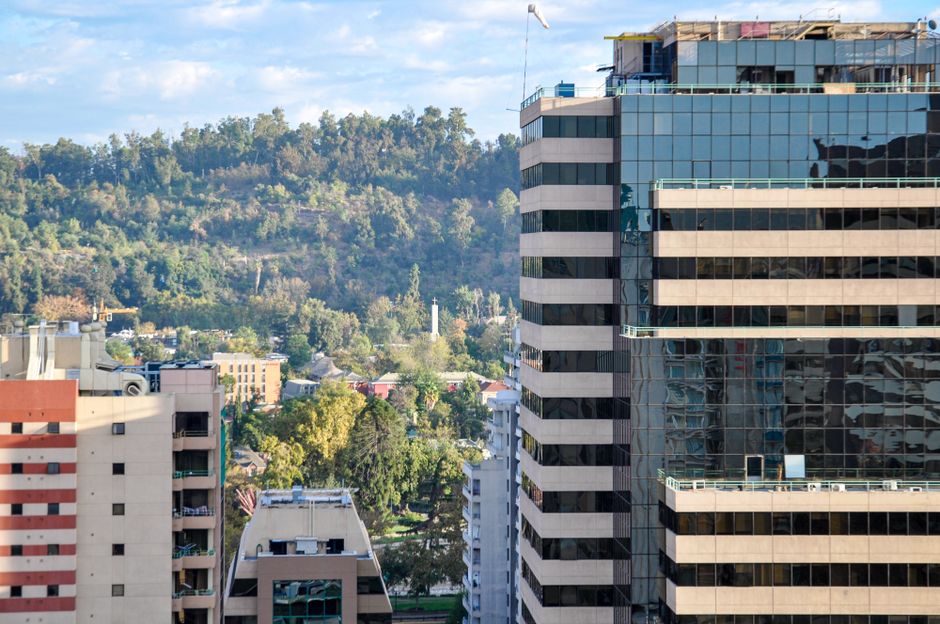
Santiago's rental market is moving at pace. With average property values hovering around CLP 85 million and foreign buyer interest climbing steadily, first-time investment property buyers face a landscape that rewards research over impulse.
The yield question dominates every new investor's conversation. In premium zones like Las Condes and Vitacura, expect gross yields of 3–4 percent annually. These neighbourhoods attract corporate tenants and stable long-term renters, but entry costs are steep—often exceeding CLP 150 million for a two-bedroom apartment. The trade-off: lower vacancy rates and predictable cash flow.
Providencia and Ñuoa tell a different story. These popular middle-class enclaves are seeing rental demand surge as young professionals and families seek proximity to employment hubs and cultural venues like the Parque Arauco and Barrio Lastarria. Yields here typically sit at 4–5.5 percent on properties ranging from CLP 70–120 million. The catch? Tenant turnover tends to be higher, requiring more active management.
Growth corridors like Maipú and Quilicura present the highest yields—sometimes 5.5–6.5 percent—but require patience. Infrastructure development, including metro extensions and commercial plazas, drives long-term appreciation. First-timers should expect lower immediate returns but stronger capital growth over five to ten years.
Before signing anything, calculate your true net yield: subtract property tax, insurance, maintenance reserves (budget 1–2 percent annually), and potential vacancy periods. Many newcomers ignore these; they're the difference between a lucrative investment and a cash-draining headache.
Location strategy matters as much as price. A CLP 80 million apartment near Metro Tobalaba will rent faster than an equivalent property in an outlying zone. Proximity to transport, schools, and services directly influences tenant quality and lease stability.
Tax implications deserve professional advice. Rental income is taxable, and property transfers involve transfer tax and notary costs—typically 2–3 percent of purchase price. A good accountant or tax advisor familiar with investment property structures will pay for itself within one rental season.
Finally, manage expectations. Santiago's property market is maturing; the days of double-digit annual appreciation are behind us. Today's smart first-time landlord focuses on consistent yields, strategic location selection, and long-term wealth building. Treat it as a business, not a lottery ticket, and the numbers will work in your favour.
This article was compiled by AI from the sources linked above and screened before publishing. See our editorial standards.
How does this story make you feel?
Spread the word
About this article
Published by The Daily Santiago
Daily brief
Free, in your inbox before 7am. Weekdays.
More in Property