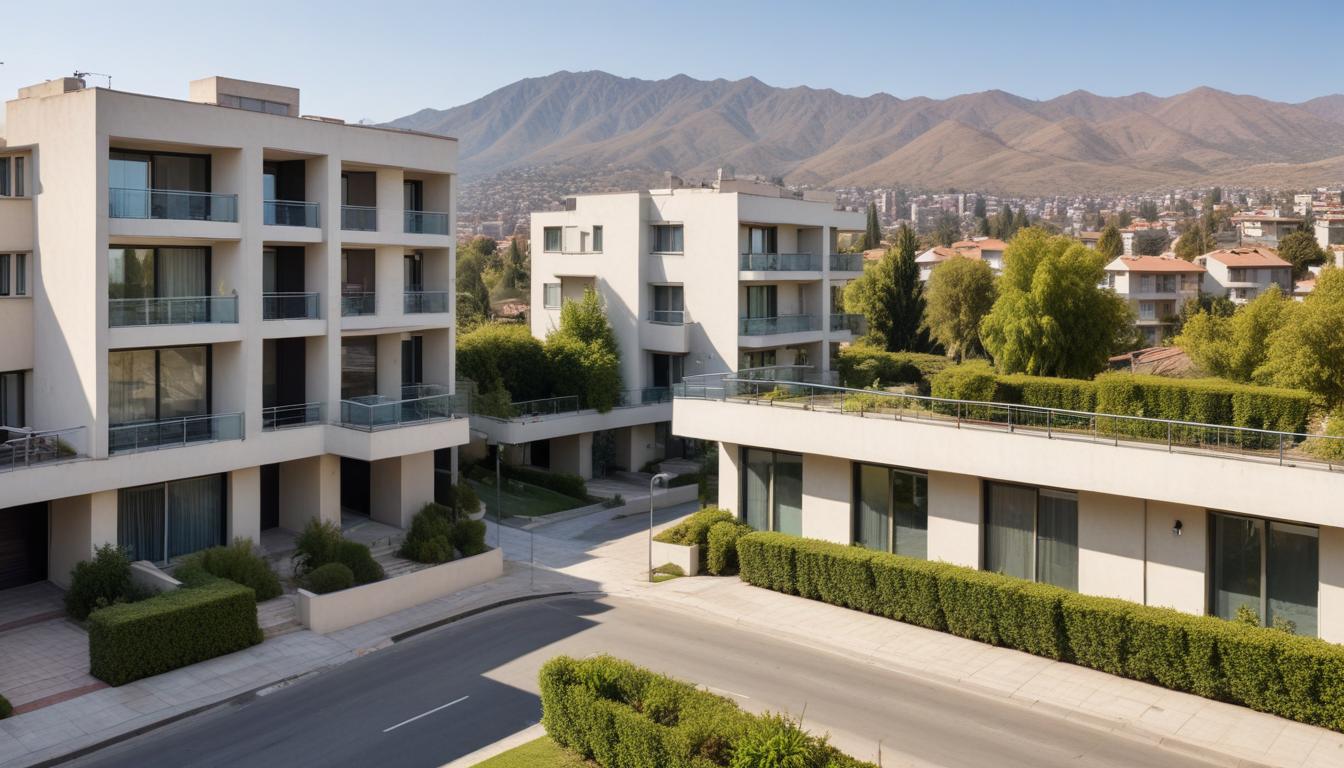
The Santiago property market has fundamentally shifted. What once felt like stable ground for first-time buyers now demands a sophisticated understanding of price drivers, grant eligibility, and financing realities. With average properties hovering around CLP 85 million citywide, and premium neighbourhoods like Las Condes and Vitacura commanding CLP 150 million-plus, the gap between aspiration and affordability has widened considerably.
Three forces are reshaping the market right now. Foreign investment—particularly in properties positioned as dual-use assets (residential-cum-commercial in areas like Lastarria and the Bellavista strip)—has inflated valuations beyond traditional owner-occupier logic. Construction costs remain elevated due to ongoing regulatory compliance and material scarcity, trickling down to new-build premiums. Simultaneously, interest rates have stabilised at levels that make longer mortgage terms mandatory for most buyers.
First-time buyers should know that grant eligibility remains the critical lever. The Subsidio Habitacional (housing subsidy) still exists, though income caps and property price ceilings have tightened. A buyer earning up to approximately CLP 3.5 million monthly may qualify, but only for properties under CLP 70 million—pricing that increasingly means Providencia, Ñuoa, or growth corridors like Maipú and Quilicura, rather than central Santiago neighbourhoods.
The real strategy shift involves layering financing. Rather than relying on a single mortgage, successful first-time buyers are combining: subsidies (if eligible), bank mortgages at 5–6.5% for 20-year terms, and complementary savings or family contributions. Some lenders now offer first-buyer rates that account for subsidy certainty, reducing the effective cost of capital.
Neighbourhood selection has become tactical. Providencia remains popular with first-timers seeking walkability to Parque Bustamante or Mercado Mapocho precinct; it remains accessible at CLP 70–95 million for a two-bedroom. Growth areas along the Line 6 extension corridor—particularly around Quilicura and the emerging commercial zones—offer better value, though longer commutes to central employment hubs like Sanhattan or the Lastarria tech cluster.
One often-overlooked opportunity: properties requiring renovation or in transition neighbourhoods. A structurally sound property in early-stage areas—say, near the Mapocho riverside parks or developing commercial strips in Ñuoa—can be purchased at 15–20% discounts, then improved as buyer equity builds.
The window for first-time buyers remains open, but it requires clarity on three fronts: realistic grant entitlements, conservative debt servicing assumptions (lenders now assume 30–35% income ratios), and neighbourhood selection aligned with long-term value, not just current prestige. The market rewards informed patience.
This article was compiled by AI from the sources linked above and screened before publishing. See our editorial standards.