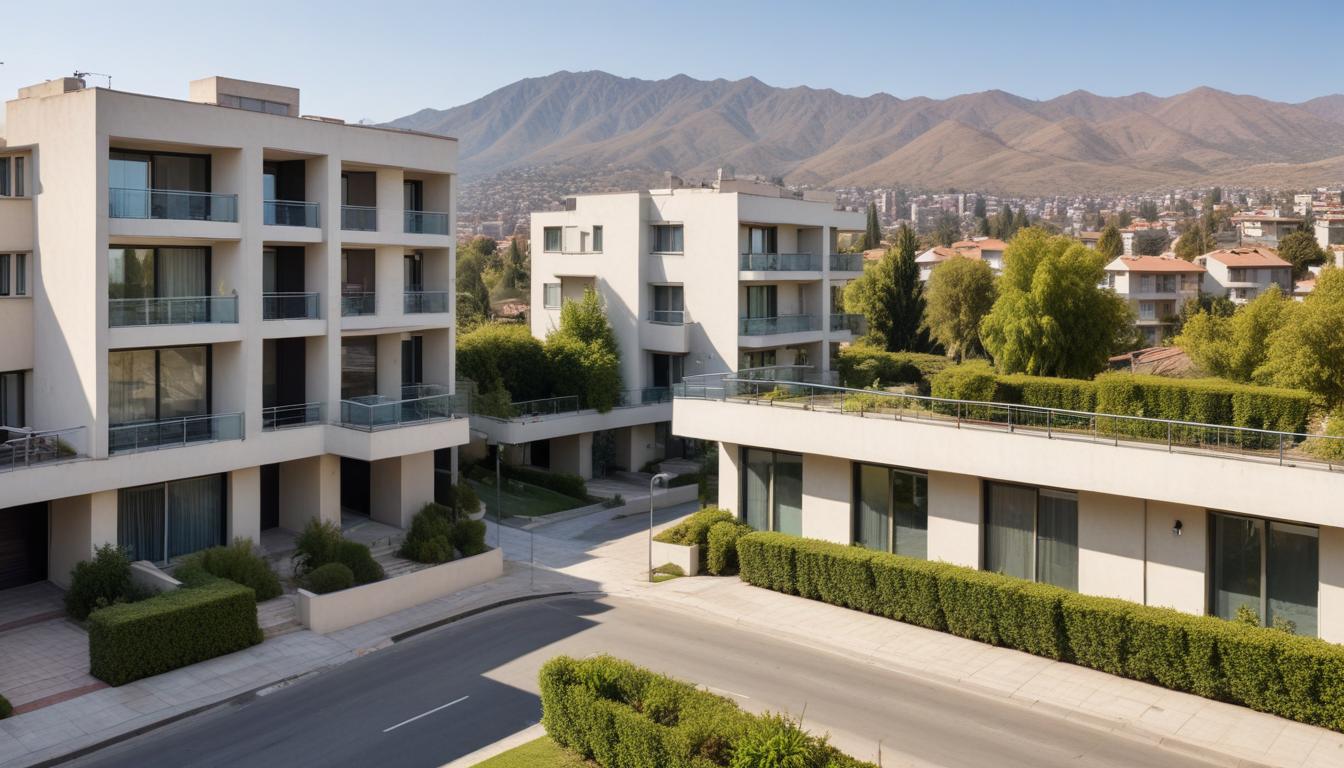
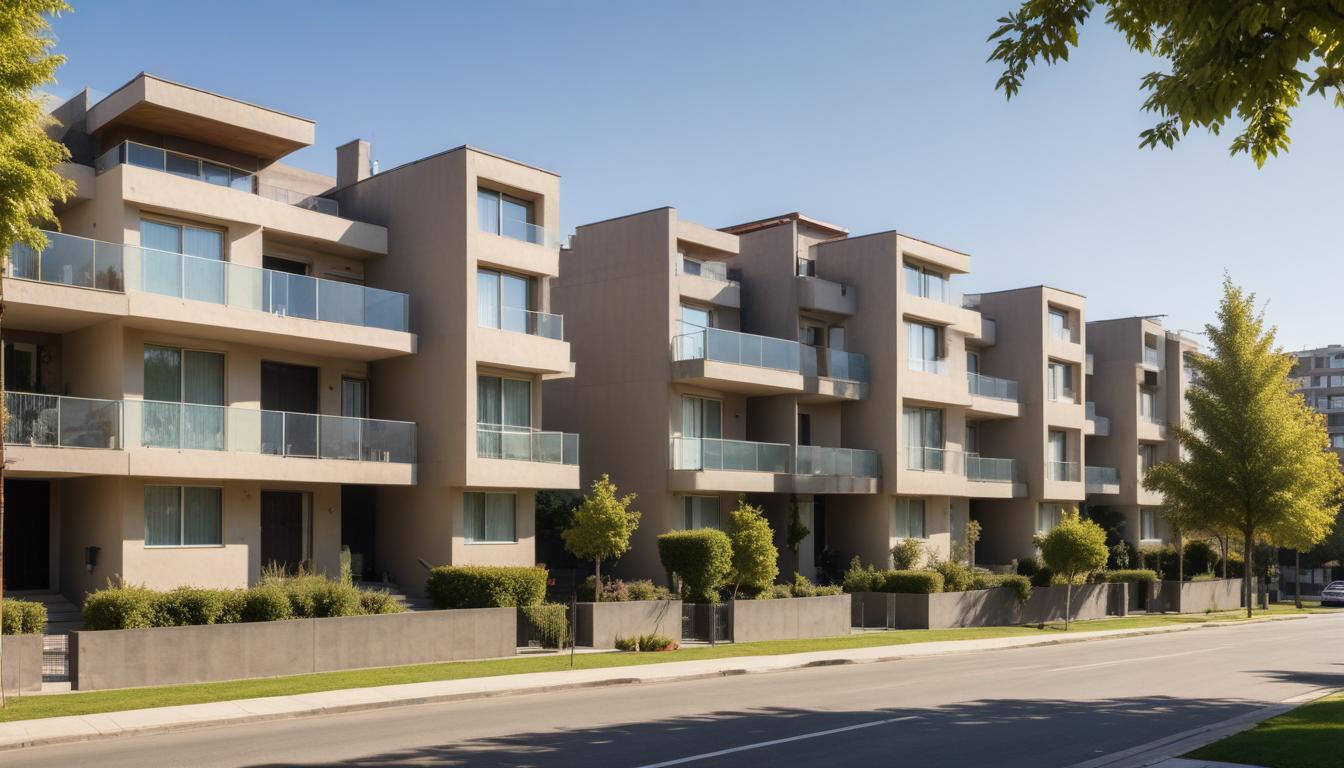
Santiago's affordable housing market has long been dismissed by yield-hungry investors as a charitable footnote to the city's property story. But emerging data from social housing funds suggests the calculation has shifted. Over the past 18 months, several institutional players have quietly deployed capital into subsidised residential projects on the city's southern and western fringes, where average prices hover between CLP 35M and 50M—a fraction of the CLP 85M city median.
The numbers are telling. Fund managers tracking properties in Maipú and Quilicura corridors report net rental yields of 4.2 to 5.1 percent annually, compared to 2.8 to 3.5 percent for premium apartments in Las Condes or Vitacura. While the gap narrows when capital appreciation is factored in, the consistency of tenant demand in affordable segments—driven by government-administered waiting lists and stable occupancy profiles—has attracted a new breed of patient capital.
"The volatility you see in the luxury market simply doesn't exist here," notes analysis from housing sector observers tracking developments around Avenida Américo Vespucio and expanding zones toward Renca. When a CLP 45M unit in a government-backed complex in Quilicura generates CLP 240,000 monthly rent, the predictability appeals to pension funds and long-term institutional investors more than speculative traders.
Government initiatives have accelerated this trend. The expansion of mixed-income developments in Providencia and Ñuñoa—traditionally popular neighbourhoods—has created a middle ground: properties priced between CLP 55M and 75M with government co-investment structures that reduce vacancy risk. Early-stage data suggests these projects maintain 97 to 99 percent occupancy rates, versus 88 to 92 percent citywide.
However, challenges temper enthusiasm. Regulatory caps on rent increases limit upside potential, and property maintenance costs in newer, larger-scale developments remain opaque. Long-term capital gains have been modest—historical annual appreciation in affordable segments averages 2.1 percent against the city's 4.8 percent overall trend.
The real story isn't that social housing suddenly rivals premium property as a wealth engine. Rather, it's becoming a recognised asset class for investors seeking stable cash flow over appreciation, with transparent tenant demand and minimal speculative volatility. As Santiago's housing shortage persists and government policy intensifies, the affordable sector's return profile may prove more durable than its historical dismissal suggested.
This article was compiled by AI from the sources linked above and screened before publishing. See our editorial standards.