New Zoning Laws and Transit Plans Reshape Santiago's Housing Affordability Landscape
As city planners push densification around metro corridors, property values in traditional working-class neighbourhoods face unprecedented pressure.
As city planners push densification around metro corridors, property values in traditional working-class neighbourhoods face unprecedented pressure.
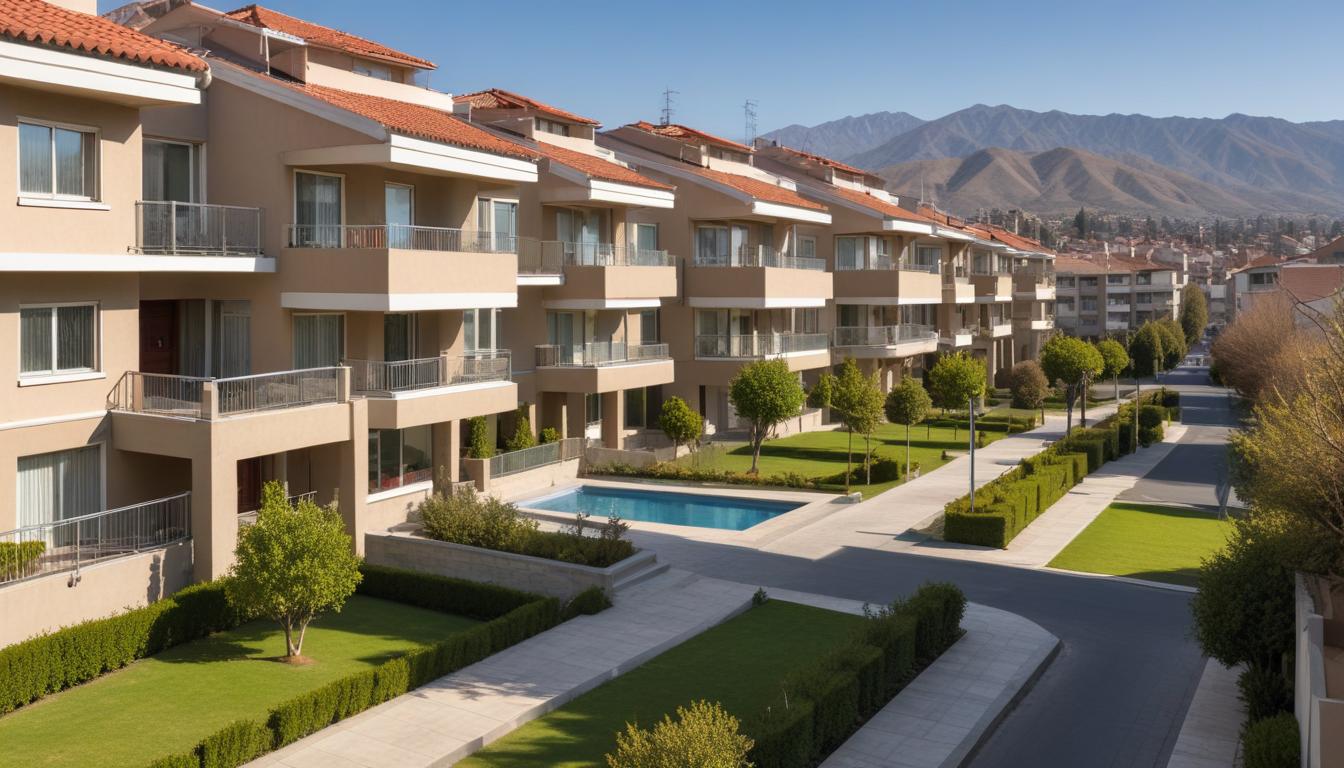
Santiago's housing market is entering uncharted territory as municipal zoning amendments and infrastructure decisions ripple through established neighbourhoods, fundamentally altering the relationship between policy and affordability.
The Metropolitan Planning Secretariat's recent approval of higher-density development corridors along the extension of Line 3 towards Quilicura has already begun reshaping valuations in formerly stable mid-market zones. Properties within 400 metres of planned stations in Maipu and Quilicura—traditionally affordable areas where families could access homes under CLP 60 million—have seen asking prices climb 15–22 percent in the past eighteen months, according to market trackers monitoring Avenida Quinta Normal and surrounding blocks.
"We're witnessing the collision between good urban policy and affordability reality," explains the housing dynamics. The city's explicit goal to reduce sprawl and encourage transit-oriented development is logically sound, yet the immediate market response penalises precisely those residents the policy aimed to serve. Investors are consolidating land parcels in Providencia and Ñuñoa ahead of anticipated zoning changes, effectively pre-emptively pricing out middle-income buyers who historically anchored those neighbourhoods.
Conversely, premium zones like Las Condes and Vitacura have remained relatively insulated. The CLP 85 million average across greater Santiago masks a widening gulf: properties in eastern communes command CLP 120–180 million, while Maipu's average hovers near CLP 55 million—yet that gap is narrowing as speculation accelerates.
The Ministry of Housing's proposed changes to parking requirements and minimum lot sizes, meant to streamline construction and reduce costs, have instead triggered a gold-rush mentality among developers. Banks and institutional investors are moving faster than individual buyers, consolidating opportunities before regulatory thresholds shift again. Small landholders in transitional areas face pressure to sell before values are officially reassessed under new frameworks.
City officials acknowledge the tension but defend the long-term logic: density reduces transport costs and environmental impact; transit access theoretically improves quality of life. Yet the implementation gap is stark. Without coordinated rent controls, inclusionary zoning mandates, or targeted subsidy programmes running parallel to these planning decisions, the policy is effectively accelerating gentrification rather than solving affordability.
For Santiago's emerging middle class—those earning CLP 2–4 million monthly and seeking stable housing—the message is clear: buy now in Maipu or Quilicura before the metro arrives, or accept permanent displacement toward distant peripheral communes. That's not planning; it's a race against your own city's improvement.
This article was compiled by AI from the sources linked above and screened before publishing. See our editorial standards.
How does this story make you feel?
Spread the word
About this article
Published by The Daily Santiago
Daily brief
Free, in your inbox before 7am. Weekdays.
More in Property


