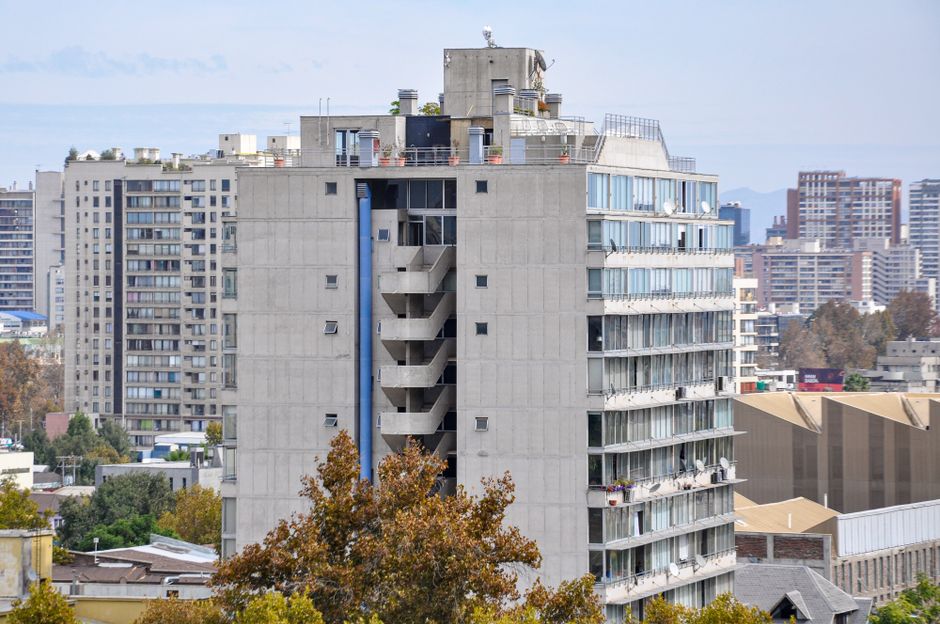
A significant policy shift in Santiago's urban planning framework is already rippling through the property market, with developers and investors recalibrating strategies in response to streamlined approval processes for mixed-use developments. The Municipal Planning Department's recent amendments to density coefficients—particularly in mid-tier neighbourhoods—signal a structural reorientation of the city's growth patterns, potentially dampening exclusive zone premiums while elevating secondary markets.
The revised regulations, which took effect in March 2026, expanded permissible building heights in Providencia and Ñuñoa from 35 to 45 metres, while introducing expedited approval timelines for projects incorporating residential-commercial integration. Industry analysts estimate this could unlock an additional 12,000 residential units across these neighbourhoods over the next five years—a meaningful injection into a market where average prices have plateaued around CLP 85 million citywide.
"What we're seeing is rational recalibration," explains the sector, with construction permits in Providencia surging 34 percent in Q2 2026 compared to the same period last year. Major developments along Avenida Providencia and near Metro Manuel Montt are now clearing Planning Committee hurdles in 60 days rather than the previous 180-day average. This acceleration matters: shortened approval cycles reduce financing costs and risk, making mid-market projects financially viable where they previously weren't.
The policy change carries obvious implications for premium zones. Las Condes and Vitacura, already constrained by tighter zoning restrictions and higher land values (averaging CLP 140M+), haven't seen equivalent regulatory loosening. While these neighbourhoods retain prestige appeal, the gap between them and rising areas like upper Ñuñoa is narrowing—a significant shift for buyers seeking value with established infrastructure. Properties in Providencia's Lastarria sector, once overlooked relative to Vitacura, are now commanding CLP 95-110M for comparable units.
Growth zones like Maipú and Quilicura, meanwhile, remain outside the new mixed-use framework, though planners have signalled potential future amendments. This selective approach suggests deliberate containment of sprawl while channelling density toward transit-connected areas—a pattern increasingly common in Latin American capitals managing rapid urbanisation.
The foreign buyer market, notably active in recent months, appears particularly responsive to these policy signals. Simplified approval pathways reduce execution risk for international investors, potentially accelerating capital inflows into secondary neighbourhoods offering both appreciation potential and rental yield stability.
As the market digests these structural changes, expect continued volatility in Las Condes premiums alongside sustained appreciation in Providencia. The question for buyers isn't whether these shifts matter—clearly they do—but whether mid-tier neighbourhoods' regulatory advantage translates into sustainable price growth or temporary speculation.
This article was compiled by AI from the sources linked above and screened before publishing. See our editorial standards.