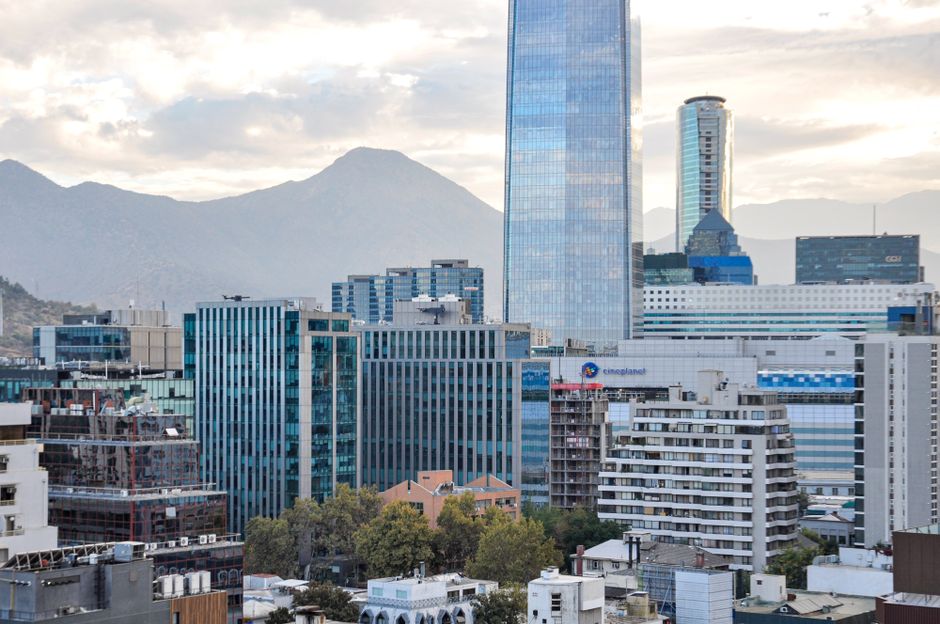
Santiago's investment property market is reshaping itself in real time. The CLP 85 million average asking price masks a deeper story: yield compression in traditional strongholds like Las Condes and Vitacura is forcing a reckoning among portfolio holders, while structural shifts in foreign buyer appetite are rewriting the rules of where money moves next.
Three forces are colliding. First, international capital—particularly from Miami and Toronto—is treating Santiago's eastern barrios as inflation hedges rather than income plays. Penthouse listings on Avenida Kennedy now routinely fetch multimillion-peso premiums purely on location and currency stability, not rental fundamentals. This has lifted median prices in Vitacura by nearly 18% year-on-year, according to property analysts tracking the corridor.
Second, the rental yield squeeze is real. Premium two-bedroom apartments in Las Condes—once reliable 4.5% annual returns—are now yielding 2.8% to 3.2% after expenses. That's pushing experienced investors to recalibrate. Providencia and Ñuoa, long dismissed as "middle-class," are attracting fresh attention: younger professionals entering those neighbourhoods are accepting 8% to 12% longer commutes to Costanera Center or Parque Arauco in exchange for walkable, culture-rich streets. The rental demand there remains sticky.
Third, expansion corridors like Maipú and Quilicura are benefiting from Metro Line 3 extensions and commercial clustering around Paseo Estación. A one-bedroom apartment in Quilicura now rents for CLP 650,000–750,000 monthly, with acquisition costs still under CLP 60 million. Yields sit comfortably above 3.5% before appreciation.
What should investors know now? Diversification within Santiago is no longer optional—it's essential. A portfolio weighted entirely toward Las Condes leaves you exposed to currency-driven valuations and stagnant yields. Properties zoned near commercial hubs (think Vitacura's commercial triangle or emerging retail on Avenida José Pedro Alessandri) are outperforming pure residential stock.
Second, the foreign buyer premium is now pricing in currency risk. Don't assume continued peso weakness will bail out mediocre yields. Conservative investors are targeting hybrid properties—small multi-unit buildings or renovated homes in transitional zones where both owner-occupancy and rental potential exist.
Finally, regulation is tightening. Recent municipal discussions around short-term rental restrictions in central neighbourhoods suggest Airbnb-dependent strategies should be stress-tested. Long-term lease stability—the unsexy play—is looking increasingly prudent.
The 2026 Santiago market rewards discipline. Premium zones aren't dead, but they're no longer the default move.
This article was compiled by AI from the sources linked above and screened before publishing. See our editorial standards.