Maipú's Mixed-Use Revival: How New Development Projects Are Reshaping a Growth Corridor
Large-scale residential and commercial projects along Avenida Pajaritos are attracting investors seeking value beyond Santiago's traditional premium zones.
Large-scale residential and commercial projects along Avenida Pajaritos are attracting investors seeking value beyond Santiago's traditional premium zones.
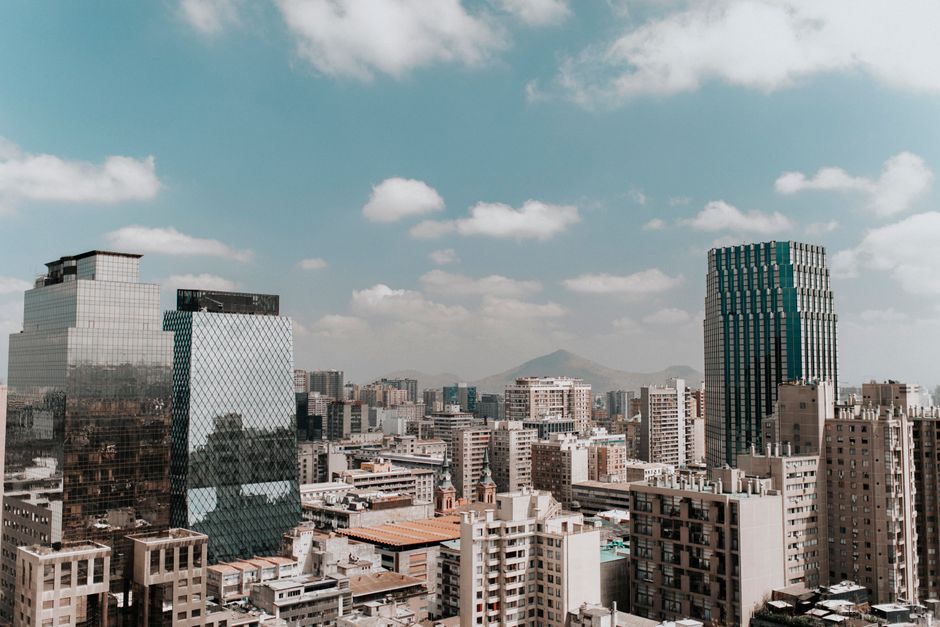
Maipú has long occupied an interesting middle ground in Santiago's property hierarchy—affordable enough to attract first-time buyers and investors, yet close enough to central employment hubs to maintain steady demand. The neighbourhood's recent transformation, driven by several significant mixed-use developments, suggests that calculus is shifting dramatically.
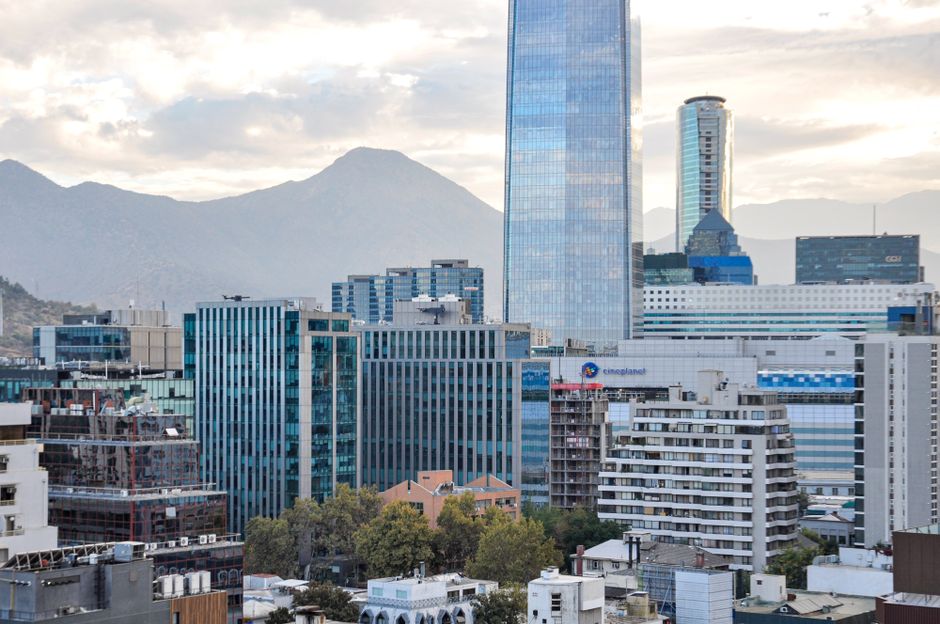
The most visible catalyst has been the concentration of projects around Avenida Pajaritos and the surrounding blocks. These aren't simple apartment towers; they're integrated complexes combining residential, retail, and service components. A 45-storey residential tower currently under construction near Metro Pajaritos, for instance, includes ground-floor commercial space and a public plaza—a model becoming increasingly common as developers respond to demand for walkable, mixed-income neighbourhoods.
Pricing tells the story. While Las Condes and Vitacura continue commanding premiums around CLP 4.5-5.5 million per square metre, Maipú developments are pricing at roughly CLP 2.8-3.2 million per square metre—still a significant jump from the neighbourhood's historical baseline of CLP 2.2 million. This appreciation gap represents genuine value for investors comfortable with a slightly longer commute or less established amenity infrastructure.
Infrastructure investment is accelerating in tandem. The extension of Metro Line 6 through Maipú, combined with improved bus rapid transit corridors along Avenida Américo Vespucio, has made commute times to Providencia and the financial district increasingly competitive. Several projects market specifically on this connectivity, and preliminary sales data suggests the messaging resonates—particularly with young professionals and families priced out of central zones.
But opportunity brings friction. Neighbourhood groups have raised concerns about density, parking, and the speed of change. Schools and healthcare facilities, while present, haven't scaled proportionally with residential growth. Local council discussions around zoning and green space requirements suggest the neighbourhood is in genuine transition, not yet settled.
For investors, the window remains open. Projects currently in construction typically sell out within 18-24 months of completion, with secondary market evidence suggesting resale appreciation of 8-12 percent annually over the past three years. That's below premium neighbourhood returns, but substantially above broader market averages—and achieved with significantly lower entry costs.
Quilicura, immediately to the north, is following a similar pattern. Smart money appears to be recognising that Santiago's property market, like markets globally, increasingly rewards investors who spot infrastructure-backed transformation before it becomes obvious. Maipú's current moment may be precisely that inflection point.
This article was compiled by AI from the sources linked above and screened before publishing. See our editorial standards.
How does this story make you feel?
Spread the word
About this article
Published by The Daily Santiago
Daily brief
Free, in your inbox before 7am. Weekdays.
More in Property