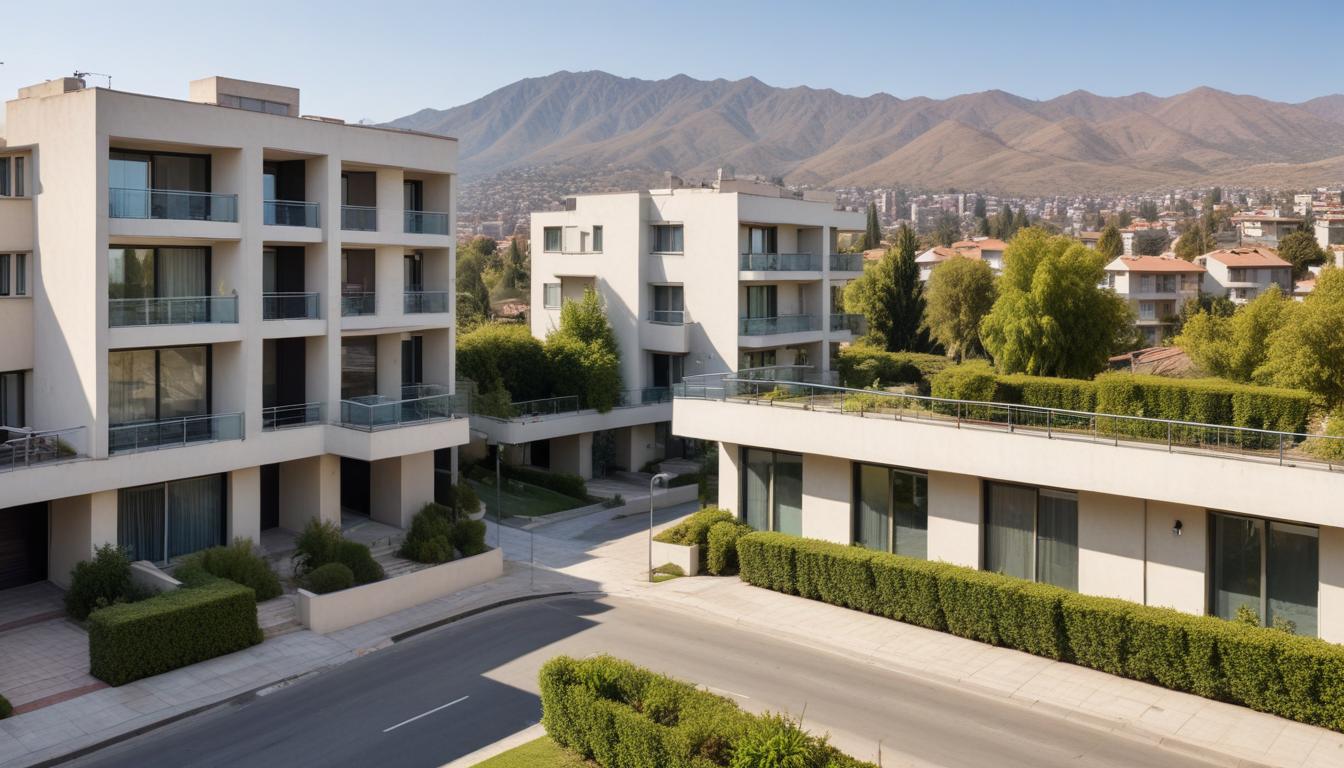
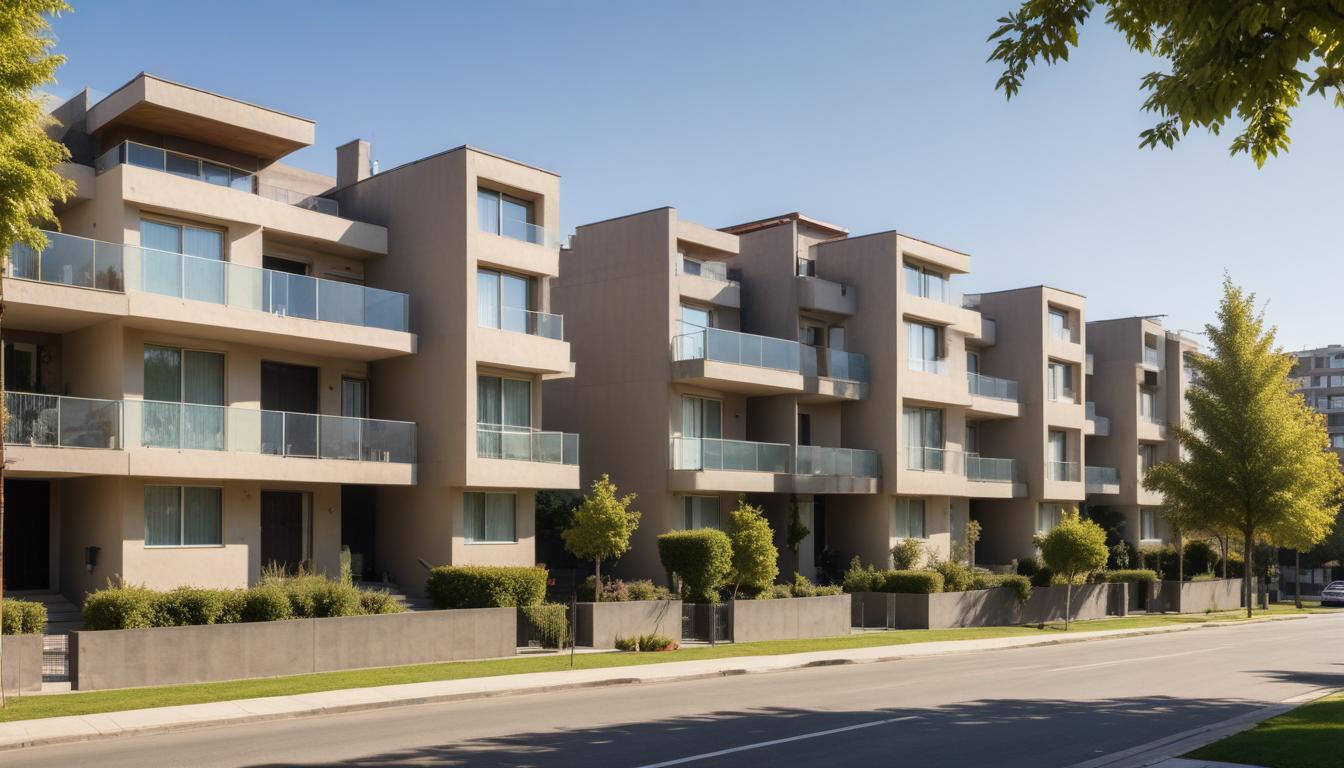
Santiago's affordable housing landscape is shifting dramatically. With the metropolitan average hovering around CLP 85 million, a coordinated push to expand social and middle-income housing in Maipú and Quilicura represents the most ambitious development cycle since 2018, potentially reshaping commuting patterns and neighbourhood identity across the capital's traditionally overlooked eastern corridors.
The Fundación Junto a Ti has greenlit three major projects totalling 2,400 units across Maipú's southern extension near Avenida Central and Quilicura's emerging Sector Poniente belt. The largest scheme—a mixed-income development spanning 18 hectares near Maipú's municipal boundary with La Florida—will deliver 1,200 units priced between CLP 45M and 62M, a significant discount against current regional averages.
For context: current Maipú pricing sits around CLP 58M for completed properties, making these new builds competitive for first-time buyers and downsizers. Quilicura's parallel initiative, centred on the Camino Agrícola corridor, targets similar pricing while incorporating 300 units designated explicitly as social housing—a rarity in recent metropolitan development.
Local authorities emphasise infrastructure coordination. Maipú's municipal office has committed to expanding Línea 6 metro connectivity by 2029, while Quilicura's municipal plan now includes three new primary schools and two healthcare centres scheduled for 2027 completion. These aren't afterthoughts; they're integral to absorbing 2,400 new households without replicating the congestion that plagued earlier growth in Pudahuel and Peñalolén.
The projects arrive amid broader policy shifts. Chile's housing ministry has signalled intent to decouple social housing from concentrated poverty models, emphasising economic diversity within developments. Early evidence from Providencia's recent infill projects suggests mixed-income neighbourhoods create more resilient communities—a lesson Santiago planners appear to have absorbed.
However, sceptics note timing risks. Construction timelines assume stable financing and labour availability; neither is guaranteed in volatile markets. Quilicura's commercial sector remains underdeveloped, meaning residents will likely depend on Maipú or central Santiago for employment, potentially offsetting infrastructure gains through extended commutes.
For investors and owner-occupiers, the implications are substantial. Maipú and Quilicura have historically served as stepping stones—affordable entry points before moving to established zones like Ñuñoa or Providencia. These projects threaten to consolidate both neighbourhoods as permanent residential destinations, potentially stabilising property values but reducing speculative appeal.
The real test arrives in 2028, when first residents move in. By then, we'll know whether Santiago has learned to build communities, not just housing.
This article was compiled by AI from the sources linked above and screened before publishing. See our editorial standards.