Santiago's Rental Market Squeeze: What Investor Yields Really Tell Us About Affordability
As purchase prices climb toward CLP 85M average, rental returns are tightening—forcing investors to recalculate risk and signalling deeper trouble for renters.
As purchase prices climb toward CLP 85M average, rental returns are tightening—forcing investors to recalculate risk and signalling deeper trouble for renters.
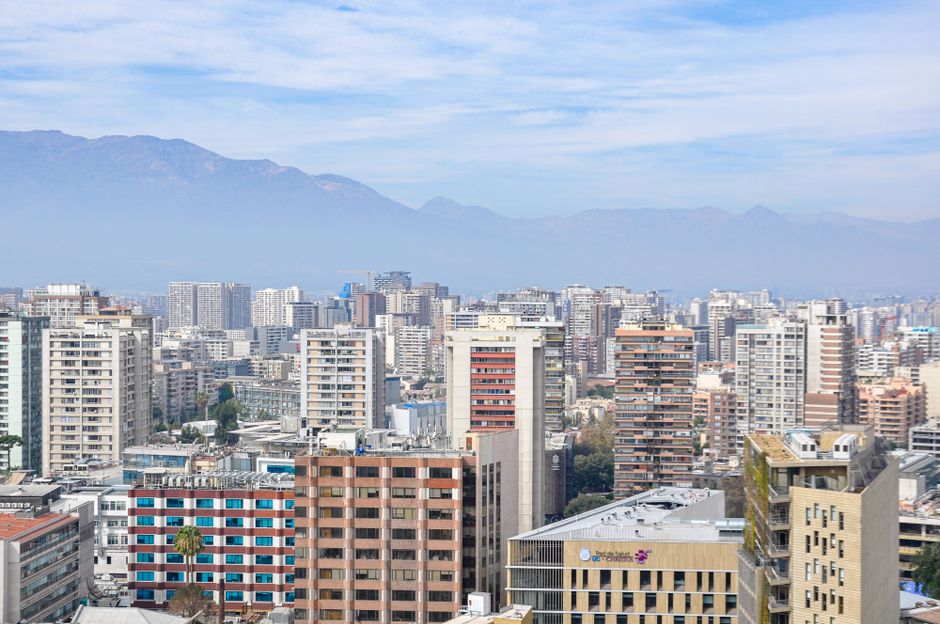
Santiago's property investment case has quietly shifted. While headlines fixate on sale prices—particularly in Las Condes and Vitacura where penthouses command CLP 3M+ annually—the real story lives in the yield numbers, and they're telling an uncomfortable truth about affordability.
Gross rental yields across the capital have compressed to between 3.5% and 4.2% for residential stock, depending on location. That might sound reasonable on paper. But when you factor in property tax (contribución), maintenance fees (administración often exceeding CLP 300,000 monthly in premium buildings), insurance, and vacancy risk, net yields for many investors now hover near 2%—barely outpacing inflation.
This squeeze is most acute in traditional investor havens. Providencia and Ñuoa, long considered the sweet spot between accessibility and returns, have seen asking rents plateau while sales prices accelerated. A two-bedroom apartment in Providencia near Avenida Providencia now sells for roughly CLP 450M but rents for CLP 1.8M monthly—a 4.8% gross yield that evaporates once costs apply.
Meanwhile, growth corridors tell a different story. Quilicura and Maipú properties are attracting foreign buyers betting on yield stacks: younger demographics, lower entry prices around CLP 250-350M, and rental demand from workers priced out of central locations. These zones deliver 5.5% to 6% gross yields—enough to justify the commute risk and emerging-area premium.
The data reveal a market bifurcating by investor profile. Cash-rich foreigners and institutional buyers can absorb sub-2% net returns for capital appreciation and portfolio diversification. But small local investors—the backbone of Santiago's rental supply—face a squeeze that's already visible in market behaviour: fewer new investors entering, longer hold periods before sale, and increasing pressure on renters as landlords seek yield through price increases.
The Cámara Chilena de la Construcción has flagged this dynamic as a affordability risk. When yields compress, investors stop building and start extracting value through rent—not production. For a city where average household income sits around CLP 2M monthly and average properties cost 42+ times annual rent, the math is hardening.
By mid-2026, the question isn't whether Santiago's property market will correct. It's whether yields will stay compressed long enough to fundamentally reshape who can afford to live here—and who can afford to own.
This article was compiled by AI from the sources linked above and screened before publishing. See our editorial standards.
How does this story make you feel?
Spread the word
About this article
Published by The Daily Santiago
Daily brief
Free, in your inbox before 7am. Weekdays.
More in Property