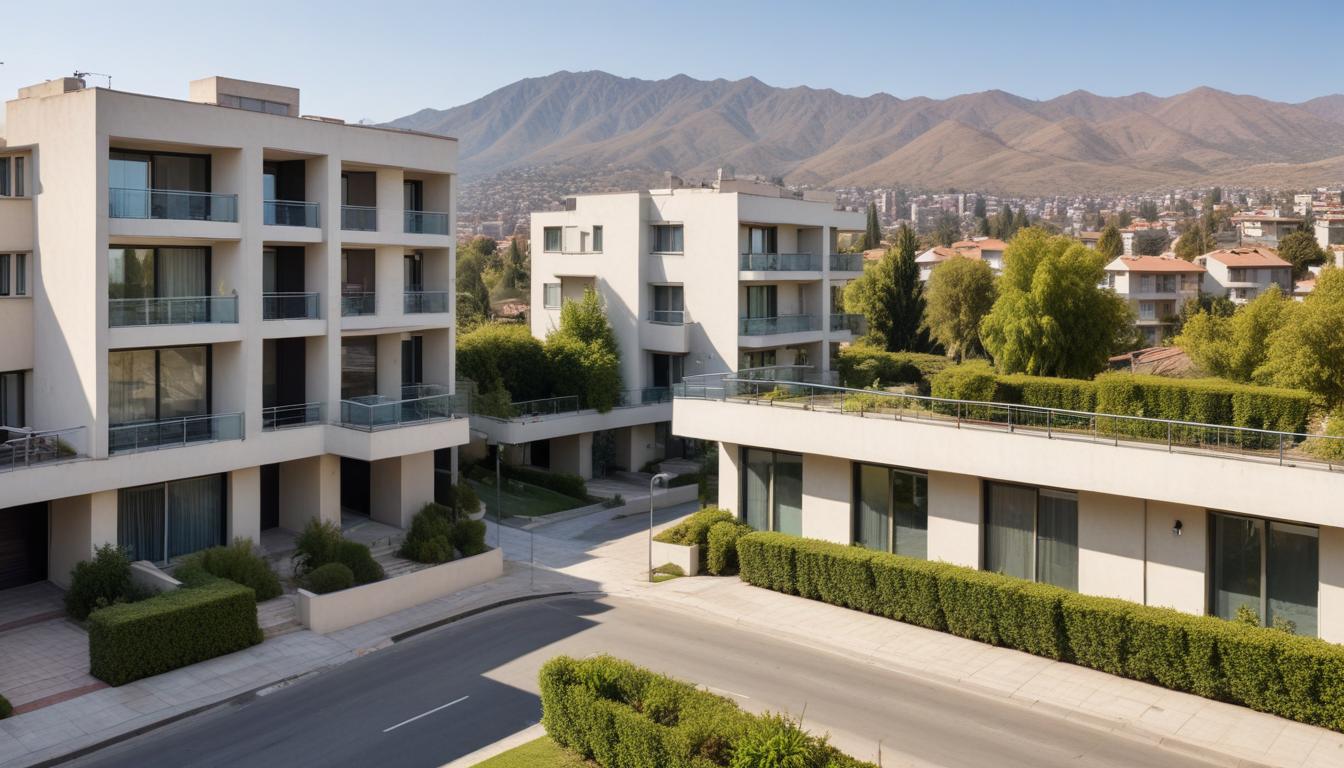
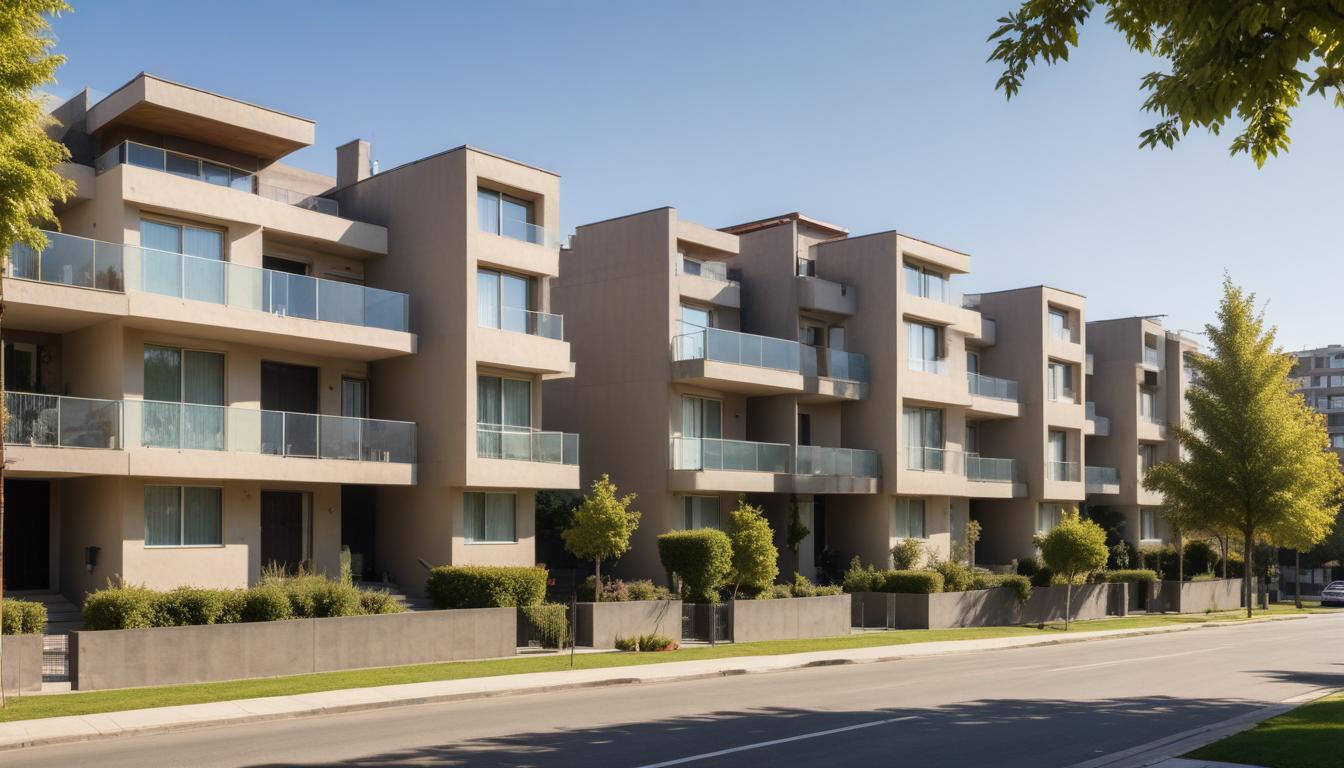
For years, Ñuñoa has occupied an awkward middle ground in Santiago's property hierarchy—respectable enough for young professionals, but perpetually overshadowed by the prestige postcodes of Las Condes and Vitacura. That calculus is shifting dramatically. Property analysts tracking the capital's market evolution report that Ñuñoa has emerged as the fastest-appreciating neighbourhood outside the traditional premium corridors, driven by a potent combination of infrastructure investment, cultural momentum and a widening affordability gap that is finally forcing serious money to look south.
The numbers tell a compelling story. Average prices in Ñuñoa hover around CLP 62–68 million for a two-bedroom apartment—roughly 20 per cent below the city average of CLP 85 million, yet in neighbourhoods like Providencia, comparable units command significantly more. For investors operating with a CLP 80 million budget, Ñuñoa suddenly offers three-bedroom options with balconies and common amenities that would be unthinkable in Las Condes. That gap is narrowing.
The neighbourhood's appeal extends beyond spreadsheets. The extension of Line 3 of the Metro system has compressed commute times to the financial district, making Ñuñoa genuinely convenient for the first time. Simultaneously, the Paseo Bulnes corridor—anchored by the Biblioteca Viva initiative and increasingly vibrant cultural programming—has begun attracting younger residents and small commercial operators. Local restaurants, boutique gyms and independent bookshops are proliferating along Avenida Pio Nono, signalling a maturation of the local economy that typically precedes sustained property appreciation.
The foreign buyer demographic is notably active here. While international purchasers have traditionally concentrated wealth in Providencia and the foothills, agents report rising interest from European and North American investors seeking neighbourhoods with genuine neighbourhood character—tree-lined streets, walkable retail precincts, established residential communities—at prices that still offer meaningful upside. For many, Ñuñoa represents Santiago's last chance to acquire central-location real estate before the premium-to-mid-market premium becomes entirely unjustifiable.
Not everyone is sanguine. Affordability advocates note that even Ñuñoa's comparative bargains remain out of reach for middle-income Santiago residents, and speculative buying could further compress supply for long-term occupants. Still, for property investors navigating an increasingly expensive city, Ñuñoa's trajectory looks unmistakable. The neighbourhood isn't arriving—it's already here.
This article was compiled by AI from the sources linked above and screened before publishing. See our editorial standards.