Santiago's investor yields reveal widening gap between premium and emerging zones
As rental returns flatten in coveted neighbourhoods, savvy capital is chasing growth corridors where fundamentals still favour active investors.
As rental returns flatten in coveted neighbourhoods, savvy capital is chasing growth corridors where fundamentals still favour active investors.
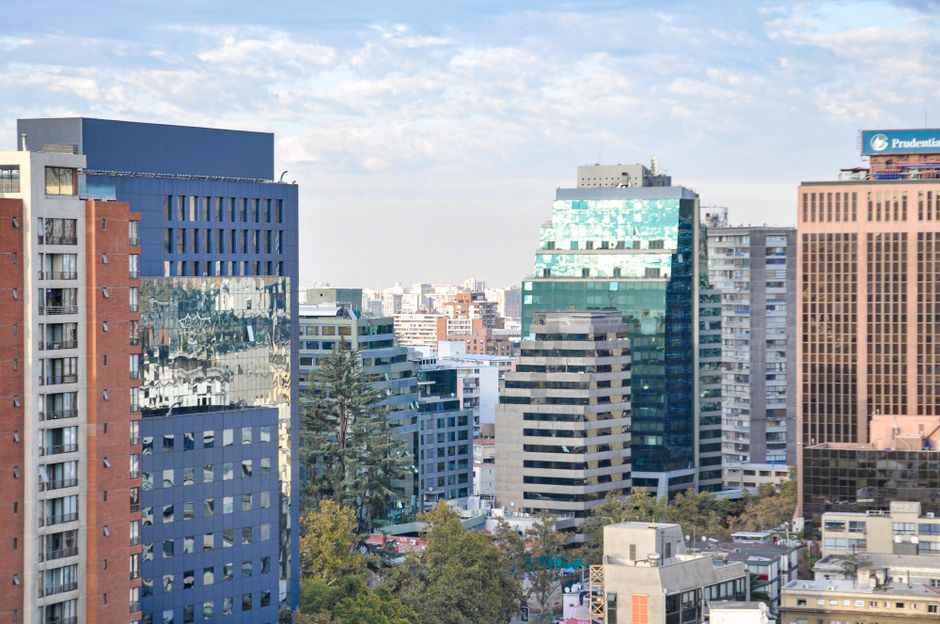
Santiago's property investment landscape is sending mixed signals in mid-2026. While the city's average residential price holds steady around CLP 85 million, the real story lies beneath—in the diverging returns that separate trophy addresses from tomorrow's growth plays.
In established premium zones like Las Condes and Vitacura, where penthouse apartments command CLP 200+ million along Avenida Kennedy and surrounding enclaves, rental yields have compressed to 2.5–3.2 per cent annually. This reflects both rising purchase prices and stagnant monthly rents, squeezing the arithmetic for traditional buy-to-let investors. A property valued at CLP 150 million generating CLP 400,000–500,000 monthly rent tells investors their capital efficiency is slowing.
The picture shifts dramatically in Providencia and Ñuñoa, where mid-market residential properties trading at CLP 70–95 million continue delivering 3.8–4.5 per cent yields. These neighbourhoods—anchored by accessible metro infrastructure, village-style commercial strips, and established family demographics—remain the backbone of middle-class investor strategy. Properties near Plaza Ñuñoa or along Avenida Providencia still attract consistent tenant demand without the prestige premium bleeding returns dry.
Further afield, growth corridors in Maipú and Quilicura present a different calculus entirely. Here, newer apartment complexes in the CLP 50–70 million bracket are generating 4.8–5.6 per cent yields, partly sustained by expanding young professional populations and underdeveloped commercial infrastructure still to come. Infrastructure investment—metro extensions, shopping centres—typically precedes property appreciation in these zones, offering investors a window where rental income outpaces nominal growth elsewhere.
The foreign buyer influx, increasingly evident across all segments, is also reshaping yield expectations. International capital targeting Santiago typically accepts lower returns—2–3 per cent—in exchange for currency diversification and perceived political stability, further compressing yields for domestic investors competing for the same properties.
What the numbers show is clear: investors chasing yield must abandon the assumption that premium postcodes guarantee superior returns. The data suggests a bifurcated market—one where established zones offer capital appreciation wrapped in lower income, and growth neighbourhoods still trade rental income for future upside.
For active investors managing portfolios across Santiago, the strategy increasingly demands geographic diversification rather than concentration in the traditional power zones. As affordability pressures mount citywide, the neighbourhoods delivering genuine investor returns are no longer always the ones listed first in glossy brochures.
This article was compiled by AI from the sources linked above and screened before publishing. See our editorial standards.
How does this story make you feel?
Spread the word
About this article
Published by The Daily Santiago
Daily brief
Free, in your inbox before 7am. Weekdays.
More in Property


