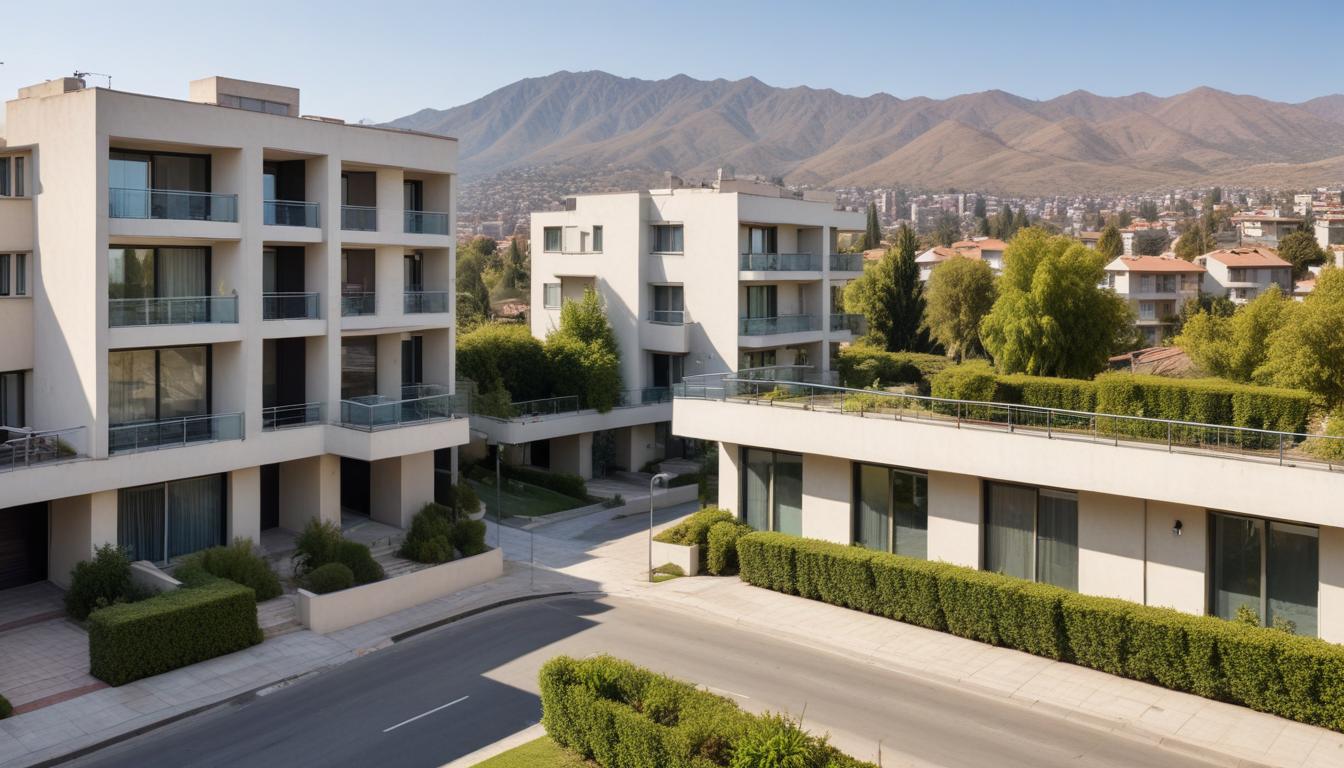
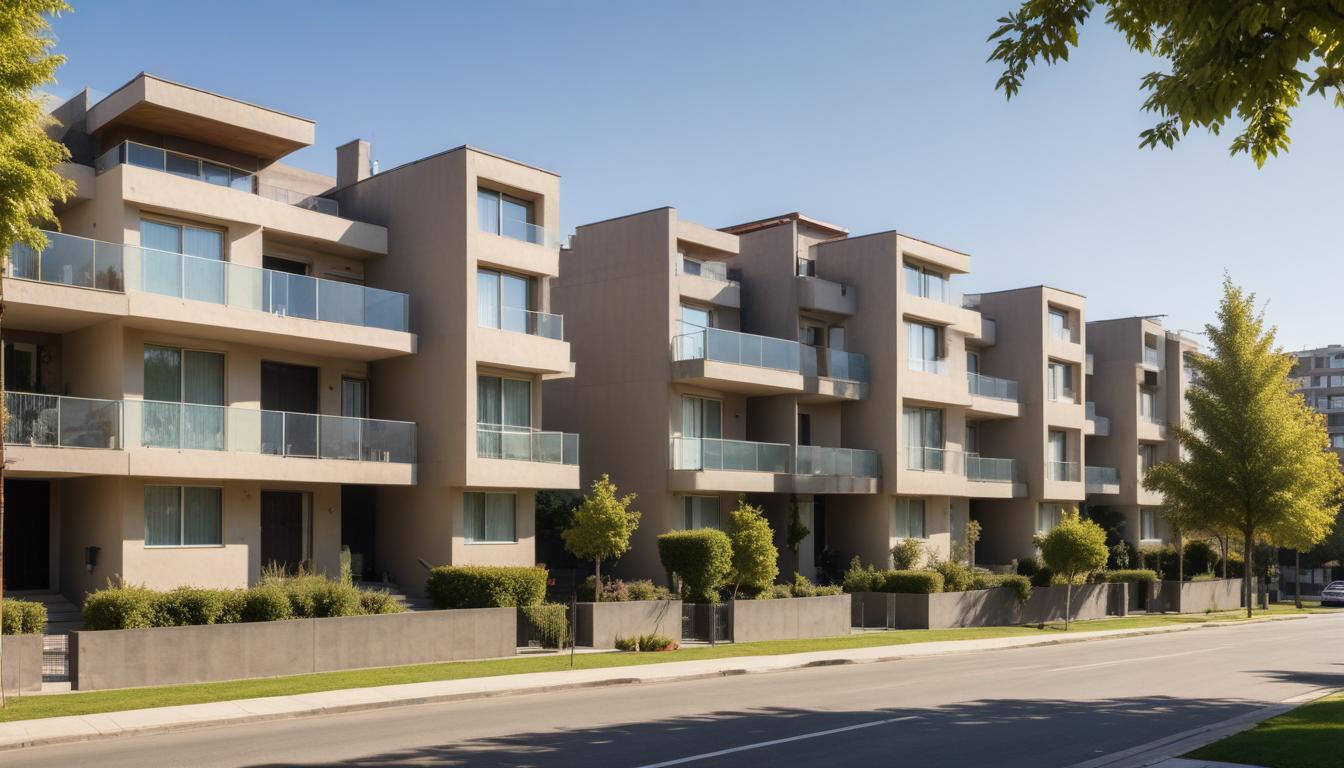
Santiago's property landscape is undergoing a dramatic transformation. Walk along Avenida Providencia today and you'll spot construction cranes dotting the skyline—symbols of a development boom that's redrawing the city's affluence map. Yet while new projects are undoubtedly reshaping neighbourhoods, they're raising uncomfortable questions about who gets priced in and who gets priced out.
The most visible changes are happening in traditionally middle-class zones. Providencia and Ñuoa, long the backbone of aspirational Santiago living, are experiencing intense vertical densification. Mixed-use complexes combining retail, offices, and residential units are rising along major arterials. These projects—some pegged at investment figures exceeding 200 million USD—are marketed as urban renewal, bringing walkability and commerce to established communities. But they're also driving up surrounding property values, with apartments in newly completed Providencia complexes now regularly exceeding CLP 120M, well above the city's CLP 85M average.
Meanwhile, growth is rippling outward to Maipú and Quilicura, where developers are betting on expanding commuter suburbs. Vast new residential subdivisions, complete with shopping centers and schools, are absorbing demand from buyers priced out of central areas. These projects offer affordability—units starting below CLP 60M—but raise sustainability concerns. Long commute times to employment hubs in Las Condes and downtown threaten to entrench traffic congestion on routes like the Ruta 5 Norte.
The foreign buyer influx is further complicating the picture. Real estate agents across Vitacura and Las Condes report surging international interest, particularly from North American and European investors treating Santiago as an emerging-market opportunity. This capital is directly competing with local buyers for premium stock, while simultaneously funding the development pipeline that's reshaping middle-tier neighbourhoods.
What's notably absent from this development boom is affordable housing specifically designed for lower-income Santiaguinos. While private developers race to capture high-margin projects, social housing initiatives remain underfunded. The gap between a family's salary and what banks will lend continues widening, leaving many priced out even as new units come online.
The real question isn't whether Santiago's neighbourhoods are changing—they clearly are. It's whether this transformation will ultimately broaden opportunity or deepen inequality. Until new developments integrate genuine affordability at scale, the answer looks uncomfortably like the latter.
This article was compiled by AI from the sources linked above and screened before publishing. See our editorial standards.