New apartment boom reshapes Santiago's rental landscape, widening gap between owners and renters
As construction surges in Providencia and Ñuñoa, landlords enjoy rising yields while tenants face shrinking options and climbing costs.
As construction surges in Providencia and Ñuñoa, landlords enjoy rising yields while tenants face shrinking options and climbing costs.
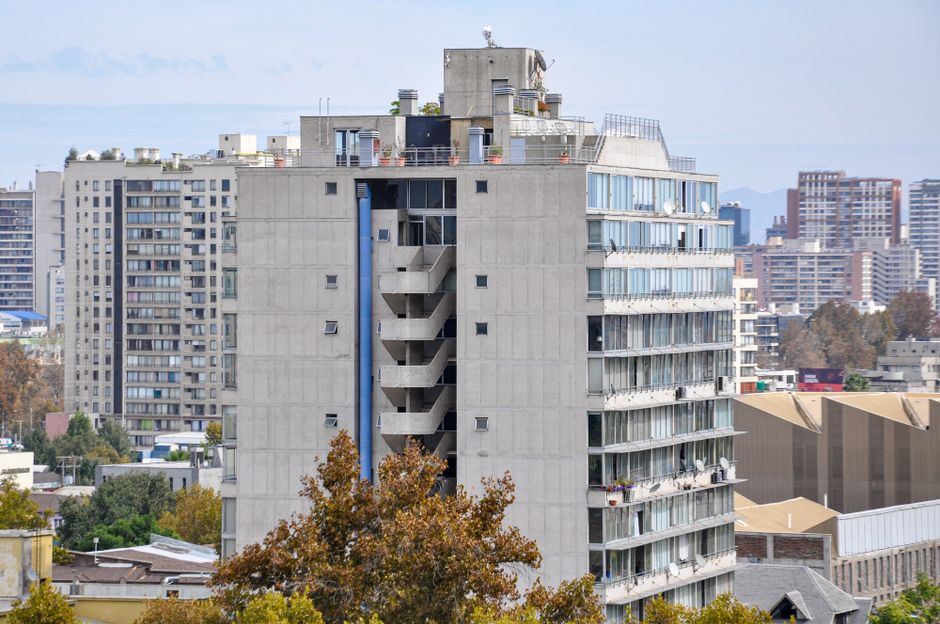
Santiago's construction sector is experiencing its strongest approval cycle in three years, with 847 new residential projects greenlit in the Metropolitan Region during the first half of 2026. Yet this apparent abundance masks a deepening tension between property owners capitalizing on tightening rental conditions and tenants struggling to secure affordable housing in the city's most sought-after neighbourhoods.
The boom is most visible in middle-market zones. Providencia—where the average apartment now commands CLP 85 million—has emerged as the epicentre of development activity. New towers along Avenida Providencia and surrounding streets are attracting investors seeking stable rental yields in a market where vacancy rates have dropped below 4 per cent. Ñuñoa is following suit, with developments near Plaza Ñuñoa targeting young professionals and foreign workers, a demographic increasingly priced out of premium Las Condes and Vitacura neighbourhoods.
For landlords, the maths is compelling. Monthly rents for two-bedroom apartments in Providencia have climbed approximately 12 per cent year-on-year, reaching CLP 1.8 million to CLP 2.2 million. New construction, which commands premium positioning and modern amenities, attracts tenants willing to pay 15–20 per cent above market rates. Property owners report faster tenant turnover and reduced vacancy periods—a luxury absent just two years ago.
The tenant experience tells a different story. Long-term residents in these neighbourhoods report being priced out as landlords increasingly cater to corporate leases and short-term rentals. Community organisations in Providencia and Ñuñoa have documented rising housing stress among middle-income families, particularly those earning between CLP 2 million and CLP 3.5 million monthly—insufficient for premium rentals yet above thresholds for affordable housing assistance.
Growth zones offer some relief. Maipú and Quilicura are attracting investment-grade developments targeting first-time renters and young families, where prices remain 25–30 per cent below inner-ring neighbourhoods. However, these areas require lengthy commutes to employment centres, shifting rather than solving the affordability challenge.
Urban planners and housing advocates are flagging concerns about equity. While new construction adds supply, it predominantly serves investor and affluent-tenant markets. Without regulatory intervention—such as inclusionary zoning requirements or rental price controls—the gap between housing supply and affordable access will continue widening. The current approval surge, paradoxically, may accelerate displacement in precisely those neighbourhoods where Santiago's middle class has traditionally anchored roots.
This article was compiled by AI from the sources linked above and screened before publishing. See our editorial standards.
How does this story make you feel?
Spread the word
About this article
Published by The Daily Santiago
Daily brief
Free, in your inbox before 7am. Weekdays.
More in Property