Santiago's high-end property market is at an inflection point. Recent municipal zoning amendments to master plans across Las Condes and Vitacura have triggered a significant recalibration in how investors view the city's most prestigious addresses, with implications rippling through a sector where the average ultra-luxury property now commands prices well above CLP 200 million.
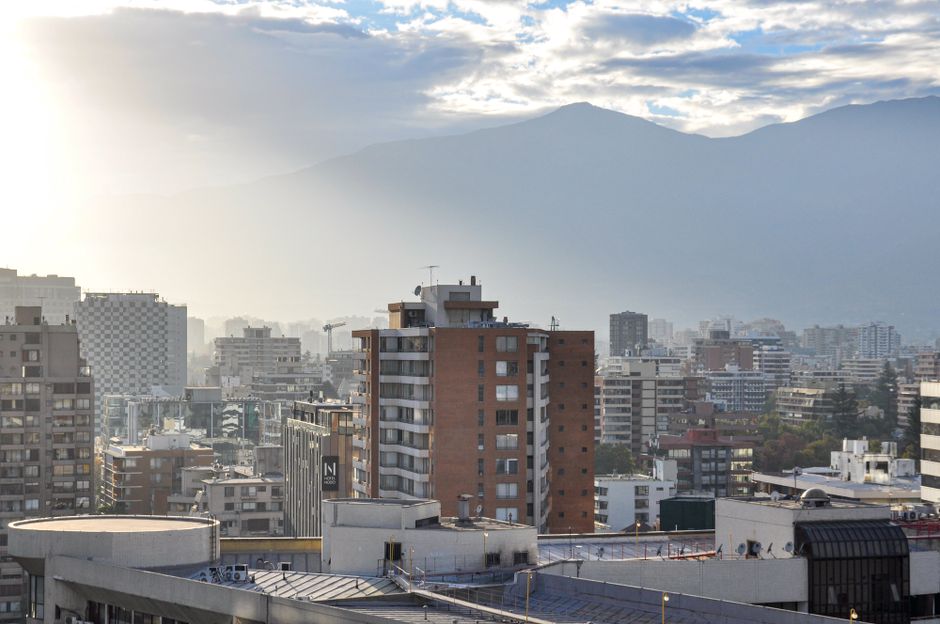
The shift began in earnest when Santiago's planning authority approved densification corridors along Avenida Kennedy and Avenida Nueva Costanera in Providencia—historically considered secondary to the firmly established Las Condes–Vitacura duopoly. By permitting mixed-use towers of up to 20 storeys in previously restricted zones, planners effectively created a new tier of competitive luxury that threatens to dilute pricing premiums in traditional strongholds.
"What we're seeing is policy-driven market fragmentation," explains the local real estate analysis sector. Properties in the Costanera area, previously valued at CLP 150–180 million for equivalent specifications, are now attracting comparable buyer interest to Vitacura equivalents priced 20–30 per cent higher. This compression of the prestige premium has forced traditional high-end agents to reconsider positioning strategies.
For foreign investors—a growing cohort in Santiago's luxury segment—these policy shifts create both opportunity and uncertainty. A planned transport integration initiative linking Metro Line 3 extensions to Providencia is expected to boost accessibility credentials that Las Condes already commands. Yet restrictive height limits recently imposed in select Las Condes subsectors around Parque Arauco suggest municipal appetite to preserve the neighbourhood's low-density character, effectively capping supply and potentially supporting price stability in that envelope.
The regulatory divergence is deliberate. Santiago's planning authority has signalled commitment to preventing the homogenisation that transformed other South American capitals. By channelling density toward designated corridors while protecting established residential precincts, policymakers aim to create a tiered market structure rather than a single, monolithic luxury zone.
The market impact is measurable. Transaction volumes in premium Las Condes and Vitacura properties (CLP 200M+) were down 12 per cent year-on-year in the first half of 2026, while activity in newly zoned Providencia luxury precincts surged 28 per cent. Average prices across those emerging zones remain below the CLP 85 million city average—a gap that suggests significant appreciation potential as infrastructure and prestige accumulate.
For investors accustomed to treating Santiago's prestige corridor as monolithic, adaptation is essential. Policy is reshaping the competitive landscape faster than market sentiment alone would drive it.
This article was compiled by AI from the sources linked above and screened before publishing. See our editorial standards.