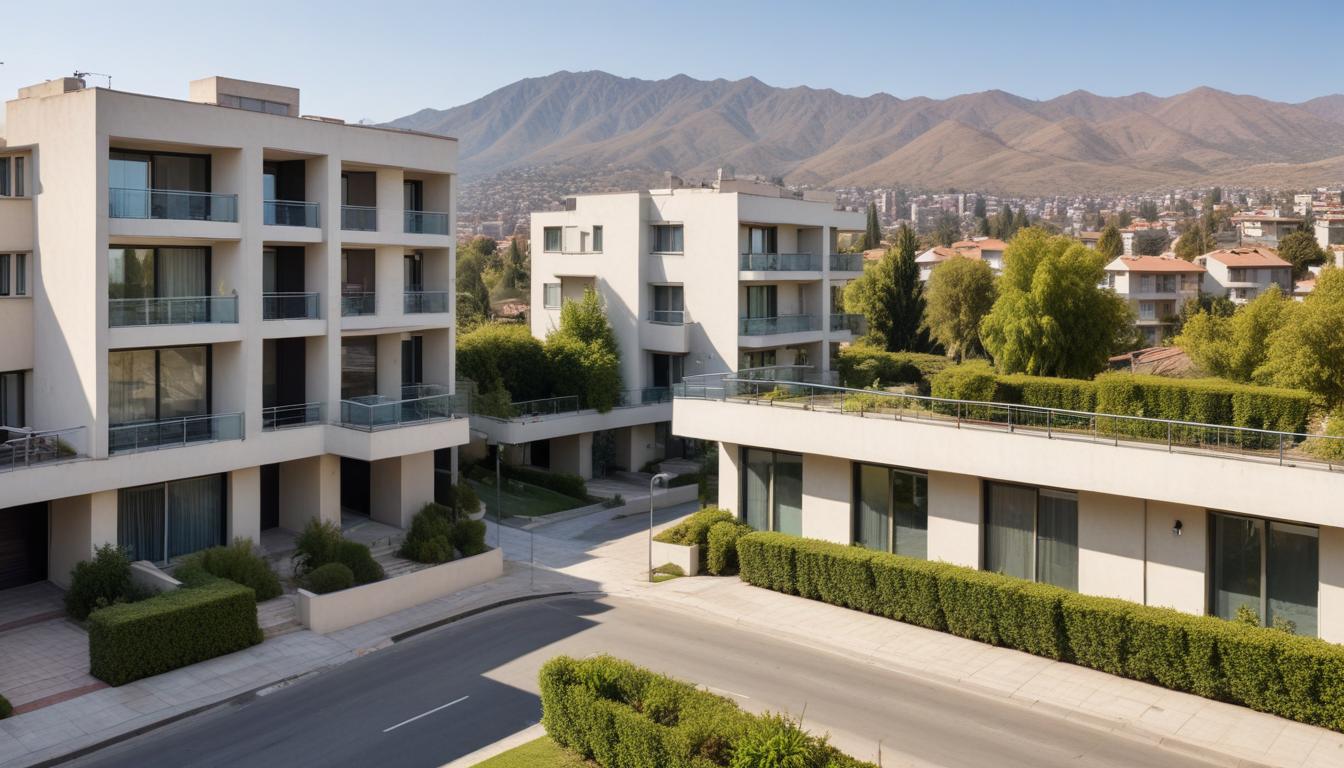
The rental market in Santiago is sending conflicting signals. While vacancy rates remain historically low across premium zones like Las Condes and Vitacura—hovering near 3-4% according to recent market surveys—the landscape differs sharply in growth corridors like Maipú and Quilicura, where supply has begun catching up with demand. This divergence is creating two distinct rental economies within the capital, with vastly different implications for tenants and landlords.
In Providencia and Ñuoa, traditionally popular with middle-income renters, inventory shortages have handed landlords renewed negotiating power. Properties along Avenida Providencia and near the metro stations are commanding premium rates, with monthly rents for two-bedroom apartments now averaging CLP 1.8M to 2.2M—a 12-15% increase year-on-year. Tenants report shorter lease terms (often 12 months instead of 24), reduced flexibility on move-in dates, and mounting pressure to waive standard deposit protections.
The situation inverts markedly in emerging neighborhoods. Developments in Quilicura and along the expanding eastern metro line have added thousands of units, creating genuine choice for renters willing to venture beyond traditional demand zones. Here, landlords are more receptive to negotiation, lease lengths are negotiable, and tenant-friendly clauses are gaining traction.
For vulnerable renters—those with limited credit history, informal employment, or minor rental records—the squeeze is acute. Organizations working in social housing note increased barriers to entry, with many landlords now requiring guarantors or advance payments covering three months' rent. This effectively locks out lower-income households from neighborhoods experiencing acute supply shortages.
Landlords themselves face mounting pressures. Rising property maintenance costs, new tax proposals, and regulatory uncertainty have compressed margins. Those holding properties in lower-demand zones like western Estación Central or Quinta Normal report extended vacancy periods and growing incentives to offer discounts—a painful reversal from conditions just two years ago.
Real estate agents across the capital report a bifurcated market: desperation in premium zones (where renters compete fiercely), and patience in growth areas (where landlords wait for the right tenant at the right price). The average rental yield across Santiago remains modest at 3-4%, making cash-flow management critical for owner-occupants and small-scale investors.
The emerging pattern suggests that Santiago's rental market isn't tightening uniformly. Rather, it's fragmenting. Tenants with flexibility and geographic mobility are discovering unprecedented bargaining power in newer neighborhoods. Those locked into traditional rental zones face hardening conditions. For policymakers, the disparity raises urgent questions about supply-side interventions and whether current regulatory frameworks adequately protect vulnerable renters in high-demand areas.
This article was compiled by AI from the sources linked above and screened before publishing. See our editorial standards.