First-time Landlords: A Guide to Investment Property Yields in Santiago's Shifting Market
As foreign capital flows into Santiago and rental demand climbs, new investors need clarity on where returns hide—and where hidden costs lurk.
As foreign capital flows into Santiago and rental demand climbs, new investors need clarity on where returns hide—and where hidden costs lurk.
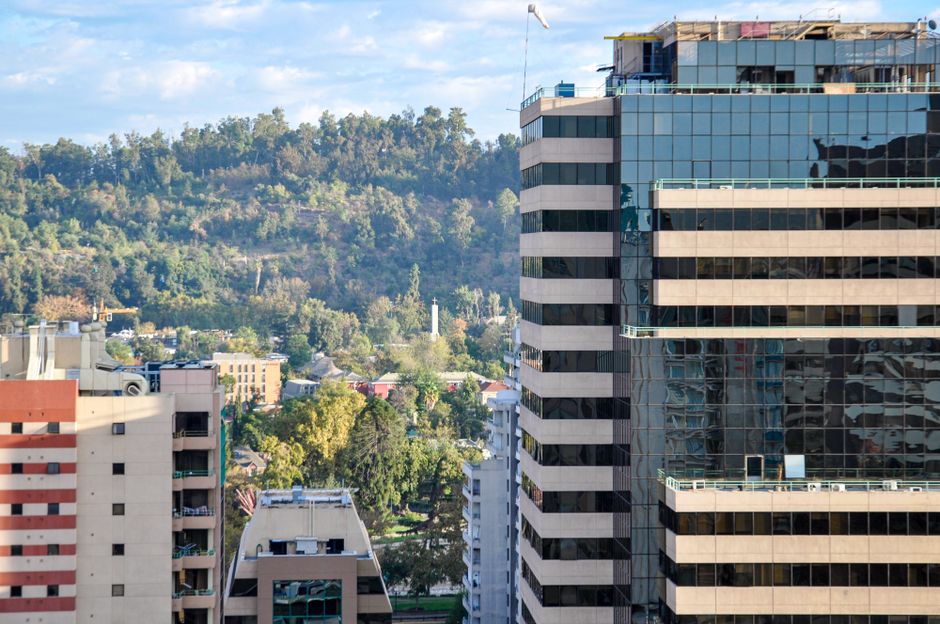
Santiago's rental market is heating up. With the city's average property price hovering around CLP 85 million, and increasing interest from overseas buyers seeking stable returns, first-time investment property buyers face a crucial question: where can you actually make money?
The arithmetic starts with yield. In premium zones like Las Condes and Vitacura, expect 3–4% gross annual returns on residential property—respectable by global standards, but thin margins leave little room for vacancy or maintenance surprises. Providencia and Ñuoa, traditionally popular with young professionals and families, offer slightly better yields at 4–5%, though competition for tenants is fiercer. Emerging growth corridors like Maipú and Quilicura can push toward 5–6%, but require patience finding quality tenants and closer attention to property condition.
The real education comes from net yields. A CLP 100 million apartment in Providencia generating CLP 4.5 million annually sounds attractive until you subtract property tax (roughly 0.4–0.6%), maintenance reserves (10–15% of rental income), insurance, and potential vacancy periods. Experienced landlords in the Barrio Italia and Manuel Montt corridors report net yields closer to 2.5–3.5%—still solid, but a different story from headline figures.
First-time buyers should stress-test their assumptions. Visit properties during different times of day. Walk neighborhoods after dark. Check local rental websites and Facebook groups where actual tenants discuss landlord responsiveness and neighborhood conditions. The difference between a well-maintained building on Avenida Providencia and a neglected one two blocks inland can mean months of vacancy.
Financing matters. Most Chilean banks offer investment property mortgages at 70–80% loan-to-value, with rates climbing in 2026 as the central bank maintains tighter policy. Lock in rates early and factor higher interest costs into projections—the spread between optimistic yield forecasts and actual returns often reflects underestimated borrowing costs.
Consider your exit strategy. Santiago's property market has proven resilient during downturns, but capital appreciation isn't guaranteed. If you're banking on price growth to offset modest rental yields, you're gambling on foreign investor appetite remaining strong. More conservative approaches focus on consistent rental income from well-located, well-maintained properties in neighborhoods with genuine tenant demand.
Finally, engage a property manager. Many first-timers resist the 8–10% annual fee, then discover tenant disputes, tax filing complexity, and late-night maintenance emergencies consume far more. Professional management isn't luxury—it's insurance against common mistakes that erode returns.
Santiago's investment property market rewards patience, realism, and homework. The yields are there. You just have to know where to look.
This article was compiled by AI from the sources linked above and screened before publishing. See our editorial standards.
How does this story make you feel?
Spread the word
About this article
Published by The Daily Santiago
Daily brief
Free, in your inbox before 7am. Weekdays.
More in Property