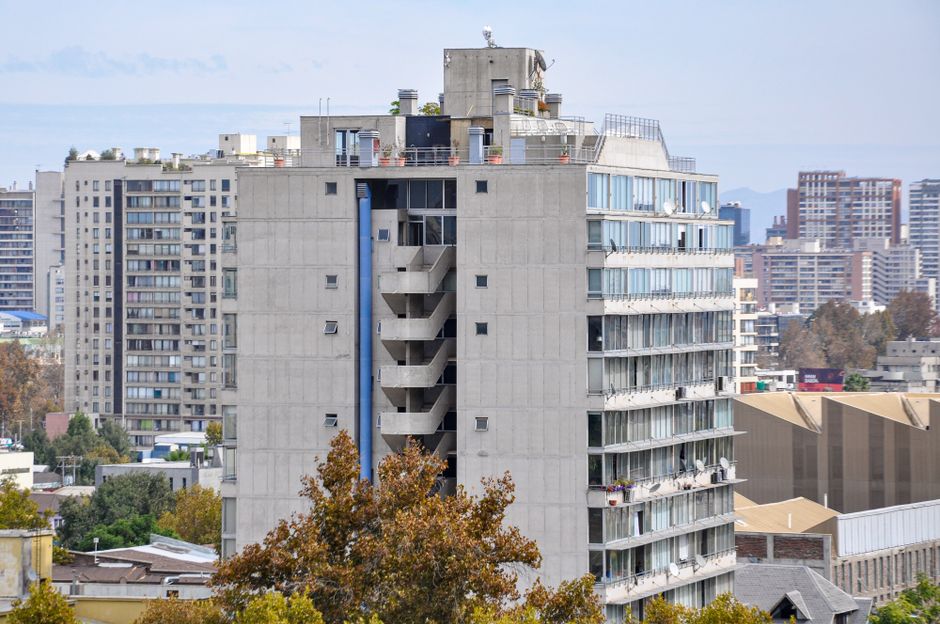
Santiago's rental market is entering uncharted territory as policymakers implement stricter tenant protections and zoning modifications that threaten to fundamentally alter supply dynamics across the capital. The vacancy rate, hovering near 8 percent citywide, masks a deeper structural problem: restrictive new regulations are discouraging property owners from listing units, particularly in mid-range neighborhoods where demand remains strongest.
The Metropolitan Planning Authority's recent decision to tighten conversion standards in Providencia and Ñuñoa—historically affordable zones attracting young professionals and families—has created immediate ripple effects. Developers who previously converted commercial spaces into residential units along Avenida Providencia now face extended approval timelines and compliance costs that exceed CLP 15 million per property. Several projects have stalled entirely. For tenants, this translates to fewer new listings and intensified competition for existing stock, driving monthly rents for two-bedroom apartments in these neighborhoods toward CLP 800,000 to CLP 1.2 million.
Premium neighborhoods tell a different story. Las Condes and Vitacura, where foreign investor activity has accelerated, show vacancy rates below 5 percent. New regulations requiring landlords to register tenancy agreements with municipal authorities have prompted some international buyers to hold properties vacant rather than navigate bureaucratic complexity. Industry observers note this represents a perverse incentive: properties worth CLP 120 million remain empty while renters struggle to find housing.
The situation in emerging zones like Maipú and Quilicura presents a counterpoint. Looser zoning restrictions and lower compliance barriers have triggered increased supply, with vacancy rates reaching 12 percent. However, quality concerns and longer commute times to central business districts limit demand, leaving landlords with extended turnovers between tenants.
Tenant advocacy groups have welcomed stricter registration requirements, arguing they prevent exploitation and provide legal recourse. Yet implementation remains inconsistent across municipal offices. The Oficina de Vivienda in Providencia reports processing delays exceeding four weeks, while Las Condes has streamlined digital systems.
Market analysts predict further volatility. A proposed national rent-stabilization bill currently in Congress could cap annual increases at 3 percent above inflation—far below current market adjustments averaging 6-8 percent. If enacted, landlord exits from the formal market may accelerate, potentially shrinking available inventory by 15-20 percent within two years.
For renters, the message is clear: negotiate now while properties remain listed. For investors, the calculus has fundamentally shifted. Policy, not market forces, increasingly determines whether Santiago's rental crisis deepens or corrects.
This article was compiled by AI from the sources linked above and screened before publishing. See our editorial standards.