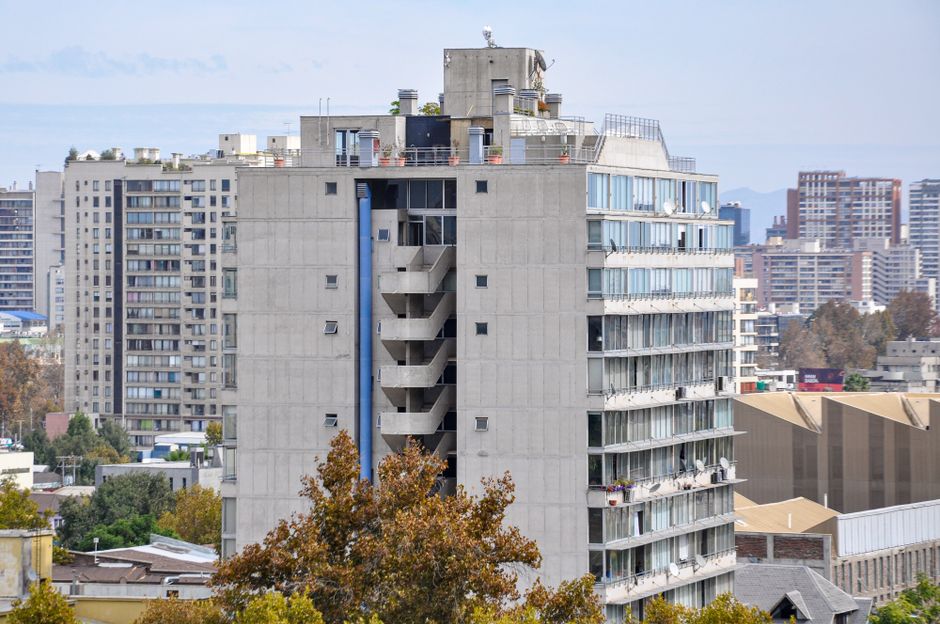
Santiago's investment property market is experiencing a fundamental reset. After years of steady appreciation, the city's rental yields have compressed significantly, forcing both seasoned and first-time landlords to recalibrate their expectations and strategies in ways that reflect deeper structural changes in who is buying and why.
The headline driver: foreign capital. Overseas investors and expatriate professionals have become substantive players in neighbourhoods like Las Condes and Vitacura, where properties now regularly command CLP 120–180M for mid-range residential units. This influx has inflated prices faster than rents have grown, squeezing rental yields to 4–5% annually—well below the 7–8% returns common five years ago. Simultaneously, internal migration patterns are reshaping demand. Middle-income families and young professionals are increasingly choosing Providencia and Ñuoa over their traditional periphery bases, making these neighbourhoods unexpectedly competitive. Properties along Avenida Italia and near the Parque Metropolitano are seeing renewed investor interest, yet yields remain tight.
Growth zones like Maipú and Quilicura tell a different story. Here, newer construction and lower entry prices (CLP 60–80M) still support 5.5–6.5% yields, though tenant quality and maintenance costs demand closer scrutiny. Industry sources suggest that properties near future Metro extensions or commercial corridors are attracting strategic long-term holders willing to accept modest current returns for capital appreciation.
What should buyers prioritise now? First, abandon the assumption that appreciation alone justifies purchase. Properties marketed in premium neighbourhoods are increasingly pricing in future growth that may not materialise. Second, examine tenant demographics carefully. Foreign professionals near corporate clusters in Las Condes offer stability; university students near campus areas in Ñuoa offer volume but shorter tenancies. Third, factor realistic maintenance costs—many inherited properties built in the 1990s require infrastructure upgrades that cut into margins.
Institutional players and real estate funds have already adjusted. They are rotating capital toward mixed-use developments and commercial adjacencies, recognising that pure residential rental yields no longer justify risk. Independent landlords should consider whether their portfolio aligns with this shift or whether they are holding for different reasons.
The message is clear: Santiago's investment property market rewards informed decision-making over speculative timing. Yields are normalising, foreign capital is reshaping geography, and migration patterns are fragmenting demand. Know your neighbourhood, know your tenant, and know your numbers. That discipline will separate winners from those who overpaid for yesterday's certainties.
This article was compiled by AI from the sources linked above and screened before publishing. See our editorial standards.