Santiago's New Construction Boom: What's Really Pushing Prices Up and How to Navigate It
Record approvals for residential projects across the capital are reshaping inventory, affordability, and buyer strategy in 2026.
Record approvals for residential projects across the capital are reshaping inventory, affordability, and buyer strategy in 2026.
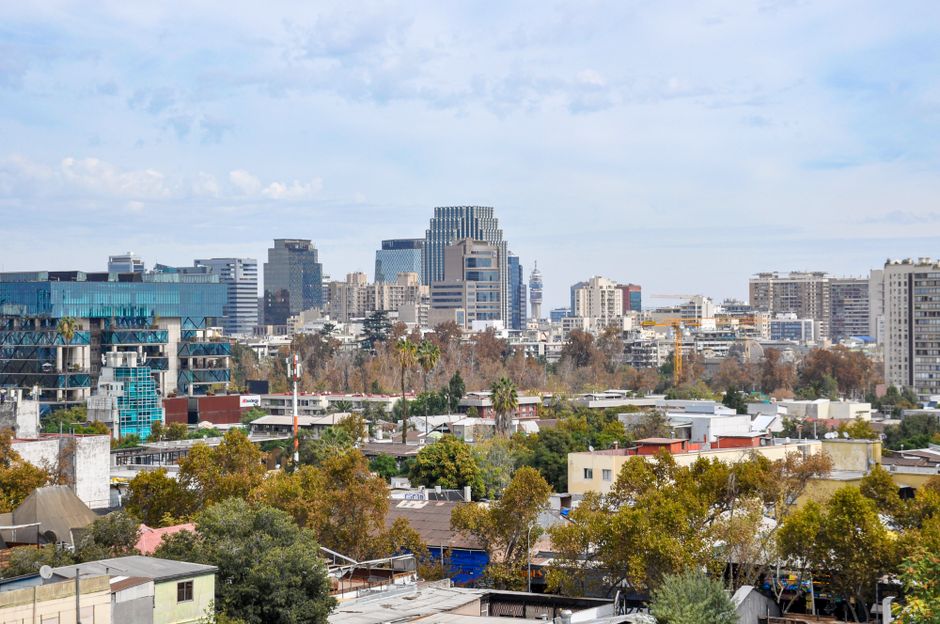
Santiago's property market is experiencing a construction surge that's quietly reshaping where families can afford to live. With municipal approval data showing a 34% increase in residential development permits across the metropolitan area this year, developers and buyers are both recalibrating their expectations—and prices are moving accordingly.
The pattern is unmistakable. Premium neighbourhoods like Las Condes and Vitacura continue commanding prices near CLP 200M for new builds, but the real action is happening in secondary markets. Providencia and Ñuoa, traditionally popular middle-class destinations, are seeing fresh inventory unlock price momentum. New developments along Avenida Providencia and near Parque Bustamante are drawing buyers priced out of eastern neighbourhoods, with comparable units climbing 8-12% in the past eighteen months.
Growth corridors tell a different story entirely. Maipu and Quilicura are attracting large-scale construction projects that are expanding supply faster than demand can absorb. This dynamic is keeping price appreciation modest—averaging 4-6% annually—but also creating opportunity. A new 60-unit residential complex near Metro Quilicura, completed last month, undercut comparable Las Condes properties by nearly 40%, drawing professional workers and young families seeking value.
What's driving this construction acceleration? Three factors converge. First, the Municipal Directorate of Urban Planning (DIRPLAN) has streamlined approval processes for projects meeting environmental and transit criteria. Second, foreign investor interest—particularly from North American and European buyers seeking emerging markets—has convinced developers that Santiago's skyline justifies capital. Third, completed metro extensions to peripheral zones have made commuting viable, unlocking land value in previously overlooked communes.
For buyers entering now, timing is critical. Properties in established projects—those already mid-construction or pre-approval—are priced before completion and neighbourhood changes fully materialize. Post-completion units absorb premium valuations. Conversely, neighbourhoods saturated with new approvals may see affordability improve within 24-36 months as supply peaks.
Location within projects matters more than ever. Units with metro proximity or park-facing orientation command 15-20% premiums. Those positioned as entry-level products in gentrifying areas—Ñuoa's south side, for instance—may deliver stronger appreciation as infrastructure improves.
The Santiago average of CLP 85M masks fragmentation. Buyers should distinguish between markets: premium stability (Las Condes/Vitacura), accessible growth (Providencia/Ñuoa), and value emergence (Maipu/Quilicura). Understanding which phase a development sits within—not just its price—determines whether you're buying at peak or potential.
This article was compiled by AI from the sources linked above and screened before publishing. See our editorial standards.
How does this story make you feel?
Spread the word
About this article
Published by The Daily Santiago
Daily brief
Free, in your inbox before 7am. Weekdays.
More in Property