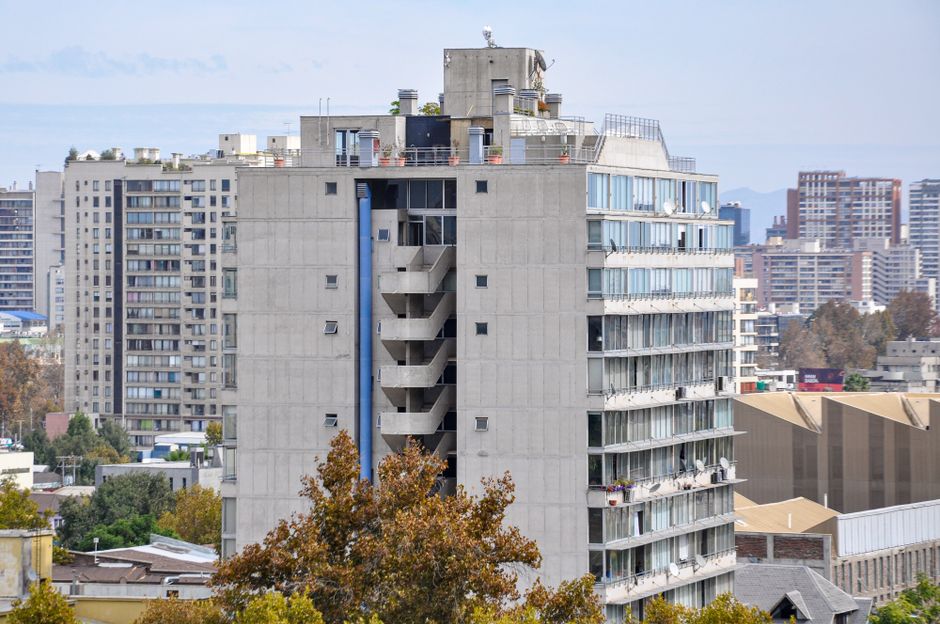
Santiago's rental market is experiencing a paradox. Even as housing demand remains robust across the capital, vacancy rates in traditionally competitive neighbourhoods like Las Condes and Vitacura have climbed to levels not seen since 2019. Industry analysts point to a single culprit: the wave of policy changes implemented over the past eighteen months that have fundamentally altered the landlord-tenant relationship.
The Metropolitan Housing Authority's new tenant protection ordinance, which took effect in March 2025, introduced mandatory lease standardisation and stronger eviction protections. While welcomed by advocacy groups supporting vulnerable renters, the regulation prompted a significant shift in landlord behaviour. Properties along Avenida Andrés Bello and throughout Providencia experienced a 12 percent increase in temporary delisting as owners reassessed their investment strategies.
Compounding this are zoning decisions announced by the Santiago Municipal Planning Department in April. New restrictions on short-term rental conversions in Ñuñoa and Providencia—historically affordable alternatives to the premium eastern corridor—reduced owner flexibility. Many landlords responded by holding properties off-market while they navigated regulatory requirements, temporarily inflating vacancy metrics.
"We're seeing a recalibration," explains the perspective of market analysts tracking Maipú and Quilicura, where growth-oriented developments continue despite regulatory headwinds. These emerging zones, increasingly popular with young professionals priced out of traditional neighbourhoods, show resilience. Average rents in Quilicura stabilised around CLP 650,000 monthly for two-bedroom units, compared to the capital average of CLP 850,000.
For tenants, the market shift carries mixed implications. Increased vacancy means better negotiating power in Las Condes and Vitacura, where landlords increasingly offer rent concessions to fill units. However, policy enforcement remains inconsistent. Tenant advocacy networks report delayed dispute resolution through official channels, leaving renters navigating new protections without reliable implementation frameworks.
The foreign buyer phenomenon, previously concentrated in premium addresses, is now exploring diversified neighbourhoods following these policy shifts. International investors increasingly view properties in transitional areas like Estación Central as longer-term holds rather than short-term speculation plays.
Looking forward, the June zoning review by the Santiago Development Council could reshape market dynamics further. Any additional restrictions on commercial conversion would likely extend vacancy pressures into the final quarter of 2026. For tenants searching now, the window of favourable conditions appears temporary—landlords are regrouping, and policy certainty remains elusive.
This article was compiled by AI from the sources linked above and screened before publishing. See our editorial standards.