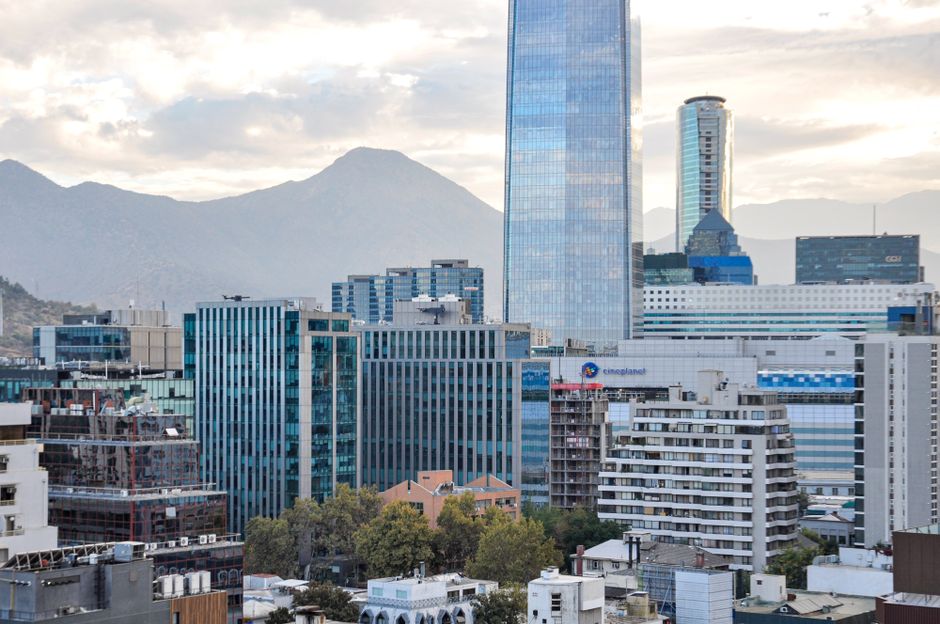
What Santiago's auction floors are really telling us about affordable housing
Recent price data reveals a widening gap between policy ambitions and market reality in Chile's capital.
Recent price data reveals a widening gap between policy ambitions and market reality in Chile's capital.
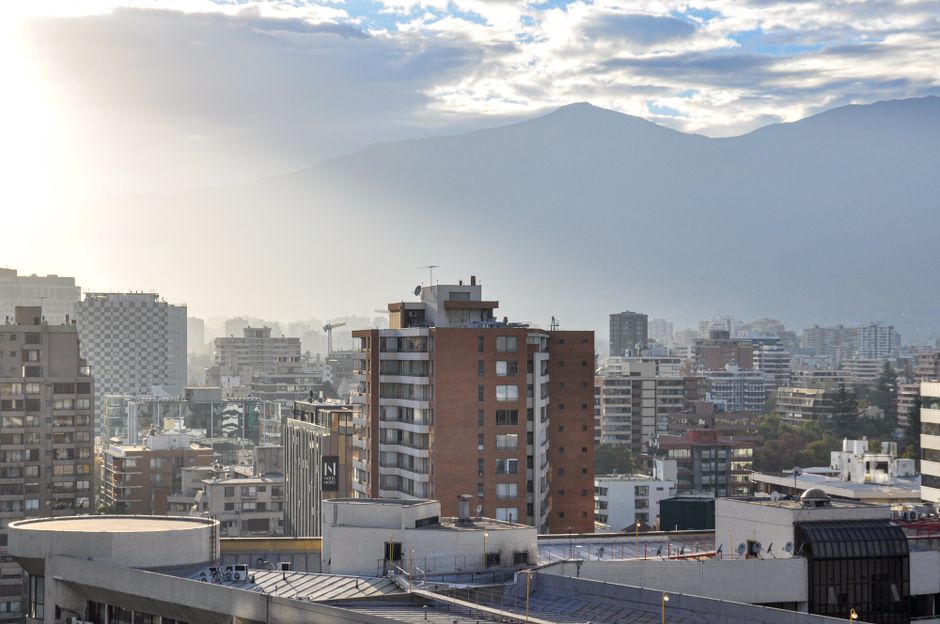
The auction block has become an unlikely truth-teller in Santiago's affordable housing debate. While government officials tout new social programmes and density targets, the actual prices fetched at Bolsa de Comercio and private auction houses paint a starkly different picture—one where affordability remains a distant goal for most capitalinos.
Last month, a modest two-bedroom property in Maipú sold for CLP 78 million at auction, marginally below the city average of CLP 85 million. Yet this figure masks a crucial detail: the unit required CLP 6 million in immediate repairs. After accounting for renovation costs, the true entry price for buyers climbs toward CLP 84 million—well beyond the reach of middle-income families, let alone those qualifying for social housing programmes.
The data points to a market in structural tension. Government initiatives targeting properties under CLP 65 million have been launched with fanfare, yet auction results from Quilicura and Maipú—traditionally growth zones—consistently exceed this threshold. A cluster of studio and one-bedroom units near Avenida Américo Vespucio in Quilicura that hit the block in May averaged CLP 68 million, with successful bids concentrated among investor groups rather than owner-occupiers seeking their first home.
Meanwhile, premium neighbourhoods tell a different story. Las Condes and Vitacura continue their trajectory toward the stratosphere, with penthouses and larger units commanding CLP 150 million and beyond. Yet it's the Providencia and Ñuoa markets that warrant closer scrutiny. Once considered middle-class bastions, these traditionally accessible neighbourhoods now show prices creeping toward CLP 100 million for comparable units—a 15% uptick within two years.
Auction velocity offers another signal. Clearance rates for properties priced below CLP 70 million have tightened noticeably, suggesting genuine buyer fatigue at that level. Properties sit longer before sale, indicating the psychological and financial barriers are genuine, not merely cyclical.
The policy implication is sobering: without intervention that addresses the CLP 70–90 million gap directly—through subsidies, co-investment mechanisms, or land banking in accessible outer zones like southern Maipú—auction data suggests current affordability targets will remain aspirational. The market is speaking plainly. Whether Santiago's policymakers are listening is another question entirely.
This article was compiled by AI from the sources linked above and screened before publishing. See our editorial standards.
How does this story make you feel?
Spread the word
About this article
Published by The Daily Santiago
Daily brief
Free, in your inbox before 7am. Weekdays.
More in Property