Santiago's New Wave: How Mixed-Use Developments Are Reshaping Neighbourhood Character
From Providencia to Maipú, a surge in approval for residential-commercial hybrids is transforming commute patterns and property values across the capital.
From Providencia to Maipú, a surge in approval for residential-commercial hybrids is transforming commute patterns and property values across the capital.
Santiago's property approval pipeline tells a story of consolidation and reinvention. In the first half of 2026, the city has greenlit seventeen major mixed-use developments—residential towers paired with retail, offices, or hospitality—a 34% increase on the same period last year. For investors and residents alike, the implications are substantial.
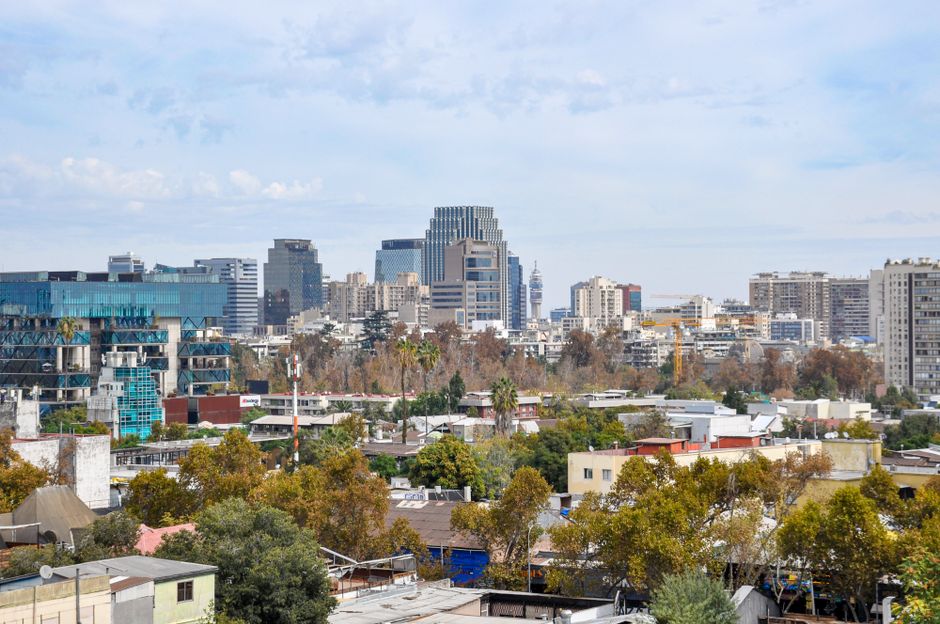
Take Providencia as the bellwether. The neighbourhood, long a middle-market anchor with average values hovering around CLP 75–80M for two-bedroom apartments, is experiencing a cluster of approvals along Avenida 11 de Septiembre. Three projects—totalling 2,400 units and 18,000 square metres of commercial space—have received permits since March. The cumulative effect: increased foot traffic, rising rents for ground-floor retail, and property appreciation creeping toward Las Condes benchmarks (CLP 110M+). This dynamic is neither accidental nor uniform.
Ñuñoa presents a different case study. Here, developments favour density and transit integration. The recently approved Paseo Bulnes complex—620 apartments adjacent to the Metro—signals a strategic shift toward first-time buyers and young professionals priced out of Vitacura. Early sales indicate an appetite: units pre-selling at CLP 68–72M, undercutting comparable resale stock by 8–12%. What happens in Ñuñoa ripples outward, reshaping affordability expectations across the east-central zone.
Meanwhile, growth zones like Maipú and Quilicura are attracting foreign capital. Two major approval batches this quarter—the Solalto development (950 units) and the Parque Urbano project (1,200 units plus commercial anchors)—have drawn interest from Brazilian and Colombian investors seeking exposure to Santiago's emerging middle-ring markets. These aren't prestige plays. They're calculated bets on infrastructure, population density, and the normalisation of areas once considered peripheral.
The approval surge reflects broader market logic. Interest rate stability (hovering around 8.75%) has restored credit appetite. Regulatory streamlining under recent municipal reforms has compressed approval timelines. And critically, the CLP 85M median price point has catalysed developer focus on sub-CLP 80M segments where volume margins offset unit economics.
What distinguishes 2026's cycle from previous booms is the granularity of neighbourhood impact. It's no longer a city-wide rise. Rather, targeted infill is creating micro-corridors of appreciation and amenity improvement. Avenida Andrés Bello in Providencia, the Mapocho riverfront precinct in Maipú, Paseo Bulnes in Ñuñoa—these are becoming property market centres of gravity in their own right.
For buyers and agents, the message is clear: development pipelines now function as leading indicators of neighbourhood trajectory. Approval activity, more than headlines, reveals where values—and commute patterns—are headed.
This article was compiled by AI from the sources linked above and screened before publishing. See our editorial standards.
How does this story make you feel?
Spread the word
About this article
Published by The Daily Santiago
Daily brief
Free, in your inbox before 7am. Weekdays.
More in Property