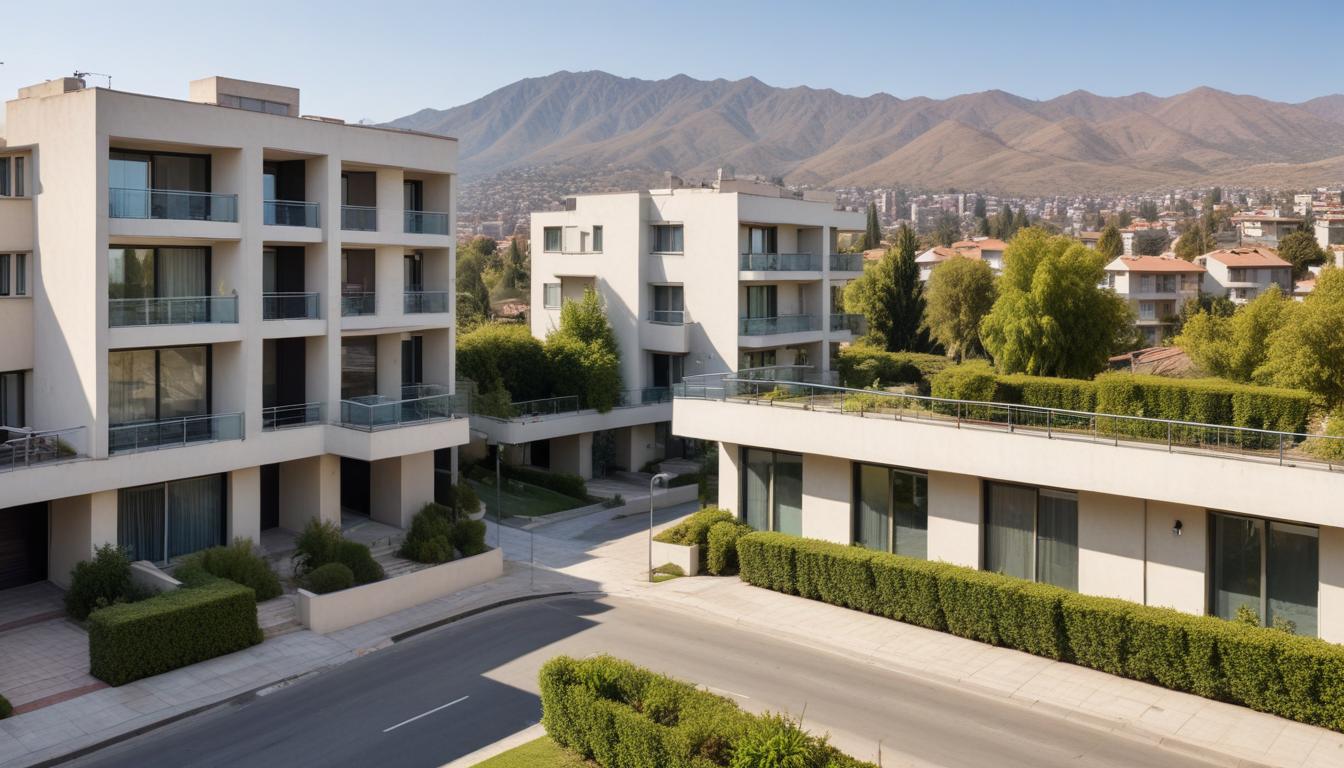
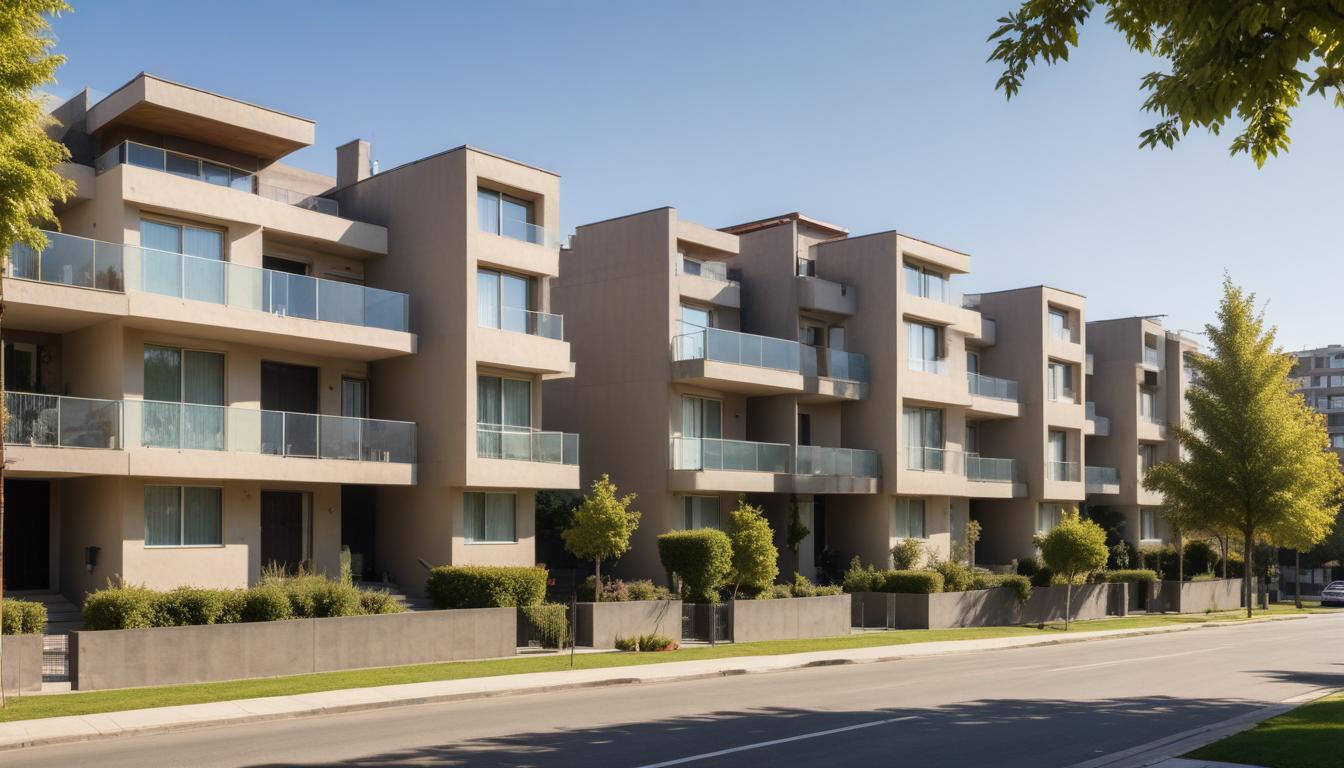
The penthouse market along Avenida Presidente Riesco tells a story of two realities. While landlords with premium properties in Las Condes and Vitacura are experiencing unprecedented rental demand from both foreign executives and affluent Chilean families, tenants are confronting lease terms that have grown increasingly stringent and expensive.
At the luxury end of Santiago's rental spectrum—where three-bedroom apartments regularly command between CLP 3.5M and 5M monthly—the traditional tenant-landlord relationship has evolved into something closer to a corporate negotiation. Property management firms specialising in high-end rentals now routinely require liquid asset declarations, employment verification from multinational firms, and guarantees that can exceed six months' rent. These safeguards reflect genuine investor anxiety: the sector has absorbed significant uncertainty over the past eighteen months as interest rate cycles and regulatory changes have made long-term rental yield projections less predictable.
Providencia and Ñuña, traditionally more accessible neighbourhoods, are experiencing spillover effects. As premium properties remain scarce and vacancy rates in Las Condes hover near historic lows, middle-market landlords are testing higher rents themselves, squeezing the tenant pool that historically moved between these zones.
The dynamics are particularly acute in Vitacura, where properties near Parque Forestal command prices that have attracted institutional investors alongside individual landlords. Property management data suggests that lease turnovers have accelerated—some tenants are choosing to relocate rather than accept renewal terms that have risen 15-20% year-on-year. For landlords, this creates operational costs: extended vacancy periods, marketing expenses, and the administrative burden of frequent tenant screening.
Foreign buyers—particularly those relocating through corporate transfers—have paradoxically both tightened and loosened the market. Their presence supports rental prices in premium sectors, yet their corporate mobility means shorter average lease periods and higher churn. Chilean landlords accustomed to five-year leases increasingly negotiate twelve to twenty-four month agreements instead.
Industry observers note that the luxury rental market's pressures are beginning to reshape investor strategy. Some property owners in Las Condes are reconsidering long-term buy-to-let models in favour of short-term holiday rental platforms or corporate housing partnerships. These pivot away from traditional tenant relationships suggest the prestige rental market is entering a period of structural recalibration—one that favours institutional flexibility over residential stability.
For Santiago's high-end renters, the message is clear: premium neighbourhoods now demand premium commitment, whether financial or temporal.
This article was compiled by AI from the sources linked above and screened before publishing. See our editorial standards.