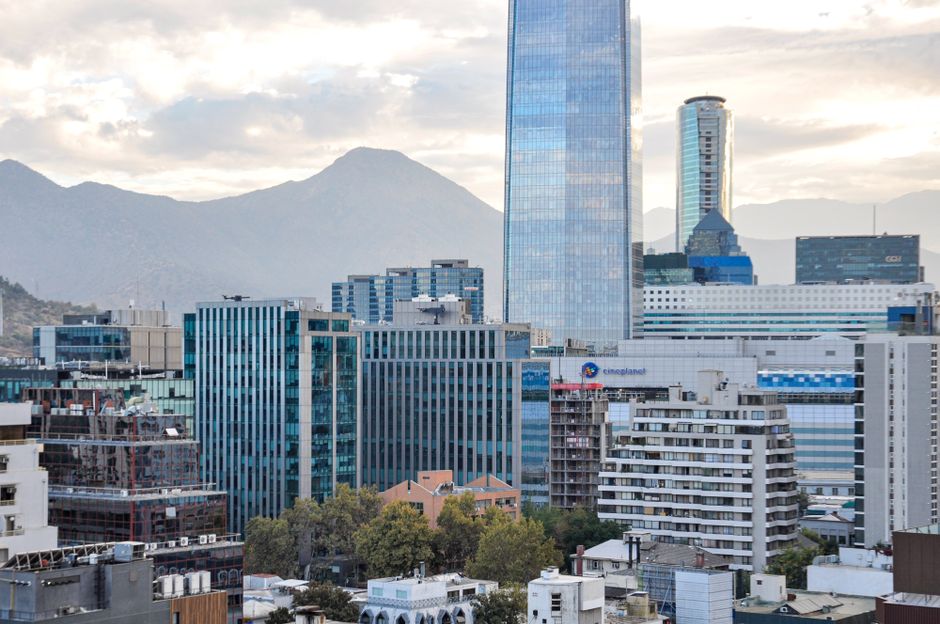
Santiago's most exclusive addresses are experiencing an unexpected shake-up. The recent municipal planning decisions affecting Las Condes and adjacent Vitacura have fundamentally altered the investment calculus for ultra-premium properties, triggering a strategic repositioning across the city's most coveted neighbourhoods.
The crux: revised zoning regulations along the Avenida Kennedy corridor now impose stricter floor-area ratios and height restrictions on new residential projects. For a market where penthouses regularly command CLP 350M–500M, this regulatory tightening is already reshaping where wealth clusters and how developers price competing assets.
Properties in established Las Condes enclaves—particularly those flanking the Parque Arauco and around Calle Manquehue—face reduced future scarcity value as new supply faces capped intensity. Conversely, this has redirected buyer focus toward heritage-listed or already-completed luxury towers where inventory is fixed and less vulnerable to regulatory headwinds. One consequence: prices for trophy apartments in primo buildings have shown modest appreciation, while adjacent land values for speculative development have softened.
Providencia and Ñuñoa, traditionally positioned as aspirational-luxury rather than ultra-premium, are experiencing unexpected buyer migration. Their less restrictive planning frameworks—and lower base price points averaging CLP 120M–180M for comparable units—now appeal to investors hedging against Las Condes regulatory uncertainty. This democratisation of the prestige market is expanding the addressable pool beyond the traditional Kennedy corridor gatekeepers.
Foreign buyers, a growing cohort particularly from Asia and Europe, are adapting swiftly. Legal frameworks permitting non-resident ownership remain unchanged, yet investor consultants report increased due diligence on municipal planning timelines and future density restrictions. The regulatory opacity has paradoxically created an information premium for advisors and agents versed in Santiago's planning bureaucracy.
The broader implication extends beyond luxury. Santiago's average property value—around CLP 85M—anchors a middle-market that tracks premium trends closely. If regulatory constraints become structural features of development policy, the city risks constraining housing supply at all price bands, potentially inverting the affordability crisis.
For now, ultra-high-net-worth buyers in Vitacura and Las Condes are consolidating positions in built assets rather than land or off-plan developments. The policy environment has injected friction into deals that once moved quickly. In a market where access and scarcity have traditionally justified six-figure dollar-per-square-metre pricing, regulatory uncertainty is proving a more powerful moderator than interest rates alone.
This article was compiled by AI from the sources linked above and screened before publishing. See our editorial standards.