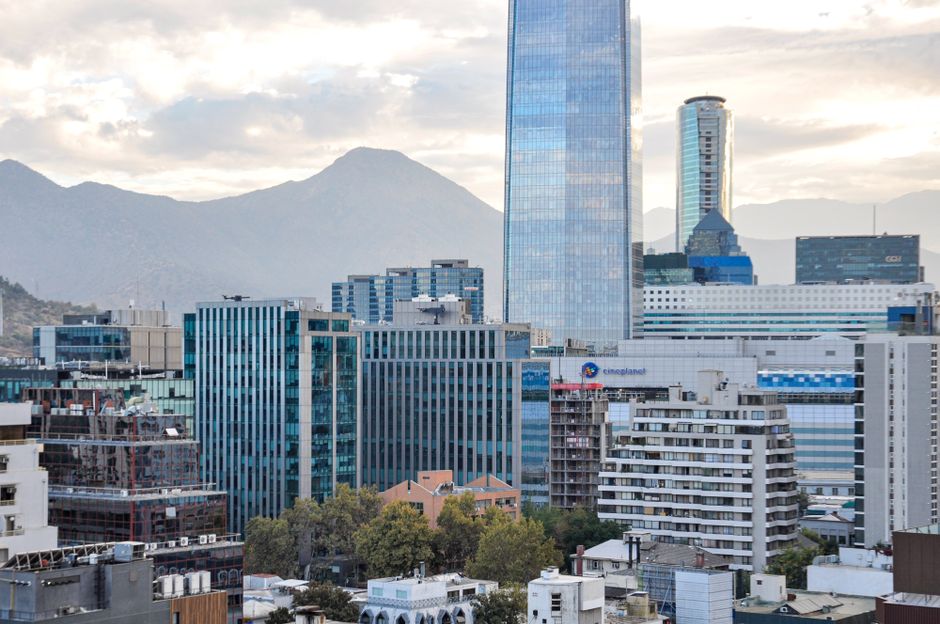
New high-rise corridor reshaping Providencia's affordable housing map
As developers race to build along Avenida Providencia, locals ask whether new supply can actually ease the city's deepening affordability crisis.
As developers race to build along Avenida Providencia, locals ask whether new supply can actually ease the city's deepening affordability crisis.
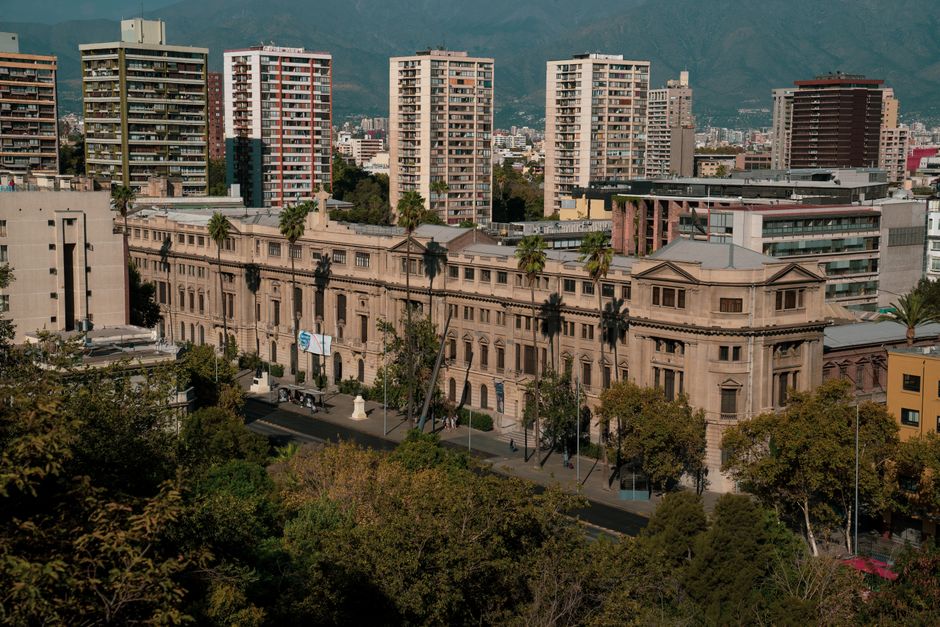
Santiago's property market is experiencing a spatial shuffle. While Las Condes and Vitacura remain the preserve of ultra-high-net-worth buyers—where penthouses routinely command north of CLP 150M—the real transformation is happening in the traditionally middle-class neighbourhoods. Providencia and Ñuñoa are becoming the unlikely battleground where affordability meets ambition.
Three major residential projects have broken ground in the last eighteen months along Avenida Providencia alone. These aren't modest infill developments; they're mixed-use towers ranging from 18 to 24 storeys, designed to house between 200 and 400 families each. The projects promise two-bedroom units starting around CLP 65M—a deliberate pitch toward the segment earning 3-4 million pesos monthly, the demographic increasingly priced out of established neighbourhoods.
But here's the complexity: does new supply actually solve affordability, or does it simply reset the baseline? Data from the last two years shows median prices in Providencia have climbed 12 percent annually, even as new projects added 1,200 units. This mirrors broader patterns across the capital. The city's average sits at CLP 85M, yet the gap between entry-level and mid-market properties continues widening.
Developers argue that without new construction, the squeeze would be worse. They point to Maipú and Quilicura, where greenfield projects have been credited with tempering price growth compared to inner suburbs. Yet critics note that commute times from these peripheral zones—up to 90 minutes during peak hours—effectively price out workers in central-city jobs.
The foreign investor dimension complicates matters further. Santiago has seen a marked uptick in Colombian, Argentine, and North American buyers treating Chilean real estate as a hedge against currency volatility. Luxury apartments in Las Condes and Vitacura represent stable wealth storage, but spillover demand is now reaching Providencia's newer towers, competing with local first-time buyers.
What's becoming clear is that zoning reform and construction pace alone won't solve the puzzle. A young family seeking their first home in a neighbourhood with functioning infrastructure—metro access, schools, employment proximity—faces a fundamentally different market than it did five years ago. The new Providencia developments may house more people, but at price points that still require either parental help or dual professional incomes.
The real test comes next year. If new supply can be absorbed while prices stabilise, the current approach works. If Providencia prices climb another 10 percent despite 3,000 new units coming online, Santiago's affordability conversation will need to shift away from construction and toward demand-side interventions: taxation, zoning incentives for genuinely low-cost housing, or foreign buyer restrictions.
This article was compiled by AI from the sources linked above and screened before publishing. See our editorial standards.
How does this story make you feel?
Spread the word
About this article
Published by The Daily Santiago
Daily brief
Free, in your inbox before 7am. Weekdays.
More in Property