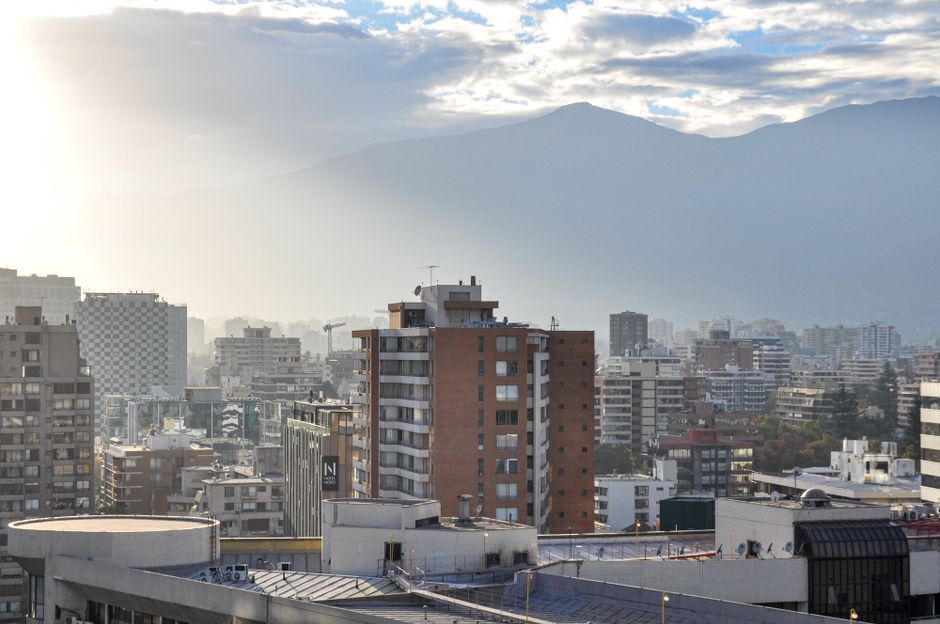
Santiago's property market is experiencing a subtle but significant shift. While the capital's average home price hovers around CLP 85 million, a new wave of residential and commercial developments is fragmenting what were once rigid neighbourhood hierarchies, creating pockets of relative affordability in areas that were previously overlooked.
The transformation is most visible along the Avenida Apoquindo corridor and surrounding growth zones in Maipú and Quilicura, where developers are bankrolling mixed-use projects that combine apartments, retail, and metro-adjacent accessibility. These aren't luxury enclaves—many units start below CLP 60 million, a significant discount to the CLP 120–150 million typical of established Las Condes or Vitacura properties. For young professionals and small families priced out of traditional prime neighbourhoods, these emerging districts represent genuine breathing room.
Yet the picture is complicated. A CLP 60 million property in Quilicura still demands a combined household income of roughly CLP 2.5 million monthly to service the mortgage comfortably—a threshold many Santiago renters cannot meet. The proliferation of new supply is welcome, but it's not addressing the deeper affordability crisis that squeezes middle-income households.
Providencia and Ñuñoa, long considered the middle-ground sweet spot between accessibility and prestige, are also seeing developer interest. Recent announcements of vertical residential clusters near the Jorge Montt and Avenida República zones suggest that even these traditionally stable neighbourhoods are being recalibrated. Property values there have remained more resilient than in peripheral areas, but new inventory may finally introduce some elasticity to price growth.
Foreign investment is another wild card. International buyers—particularly from North America, Europe, and neighbouring countries—are increasingly targeting Santiago's emerging precincts, treating them as growth plays. This influx does accelerate local development but also inflates prices faster than local wages can accommodate.
The real test arrives within eighteen months. If current megaprojects deliver on their timelines, Santiago will have absorbed thousands of new residential units. Whether that eases pressure on first-time buyers or simply creates a new layer of market segmentation remains to be seen. What's clear: the monolithic Santiago property market—where geography and prestige were nearly synonymous—is fracturing into something more complex and, for some, more navigable.
This article was compiled by AI and screened before publishing. See our editorial standards.