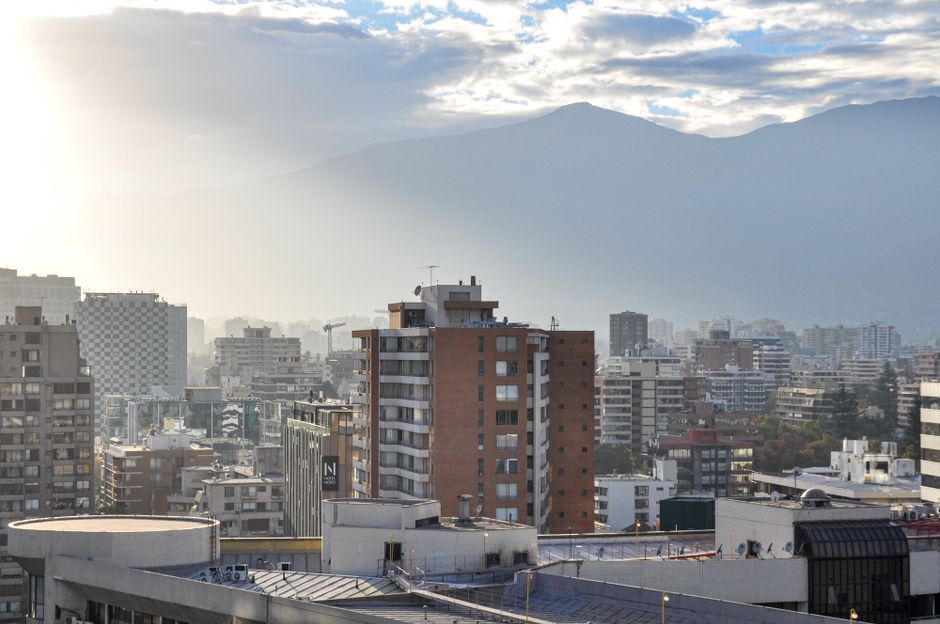
Santiago Rental Vacancy Hits Crisis as New Zoning Laws Limit Supply
Stricter density rules shrink apartment availability across neighbourhoods, forcing renters to accept higher costs and fewer options.
Stricter density rules shrink apartment availability across neighbourhoods, forcing renters to accept higher costs and fewer options.

Listen to this article · 3:36
Santiago's rental market is undergoing a quiet but significant transformation, driven by planning decisions that are reshaping where tenants can find affordable housing and at what cost. New municipal zoning restrictions implemented across metropolitan Santiago are reducing the speed at which new rental stock enters the market, creating pockets of acute scarcity in traditionally accessible neighbourhoods.
Vacancy rates in Providencia and Ñuñoa—historically the go-to zones for middle-income renters—have dropped to 4.2%, the lowest in three years, according to recent market data. Simultaneously, stricter building height limitations on Avenida Italia and surrounding residential corridors have curtailed new apartment construction in these prime locations. The result: monthly rents in Providencia's core now hover around 950,000 CLP for a two-bedroom, up from 820,000 CLP just eighteen months ago.
The policy shift reflects Santiago's evolving urban planning priorities. Municipal authorities in Las Condes and Vitacura tightened density allowances last year, redirecting development pressure toward secondary markets like Maipú and Quilicura. While this has stabilised neighbourhoods with heritage concerns, it has simultaneously forced renters outward—a pattern not unlike what migration-conscious cities from Valencia to Toronto have experienced when restricting central supply.
Growth zones are absorbing this displacement. Maipú's rental market now shows 6.8% vacancy—higher than historical norms—as developers race to meet demand. However, quality variance remains stark. Properties near Parque Metropolitano and along Avenida Nueva Tajamar command premiums, while newer construction further south offers better value but longer commutes to employment hubs around Sanhattan and Lastarria.
For tenants, the message is clear: location flexibility matters more than ever. First-time renters priced out of Providencia are discovering that Macul or Peñalolén offer comparable amenities at 25-30% lower rates, though infrastructure development remains uneven. Transit improvements along Line 3 extensions are gradually reshaping commute calculus, but they lag behind rental inflation in central zones.
Industry observers predict the current policy regime will persist through 2027, meaning renters should expect continued geographic displacement and price stratification. The critical window for securing central-zone apartments is narrowing, particularly in mixed-use developments near Parque Forestal and Providencia's cultural quarter. Those willing to embrace emerging neighbourhoods and longer metro journeys will find better value—but the days of affordable, centrally-located rental abundance appear firmly in the rear-view mirror.
This article was compiled by AI and screened before publishing. See our editorial standards.
How does this story make you feel?
Spread the word
About this article
Published by The Daily Santiago
Daily brief
Free, in your inbox before 7am. Weekdays.
More in Property