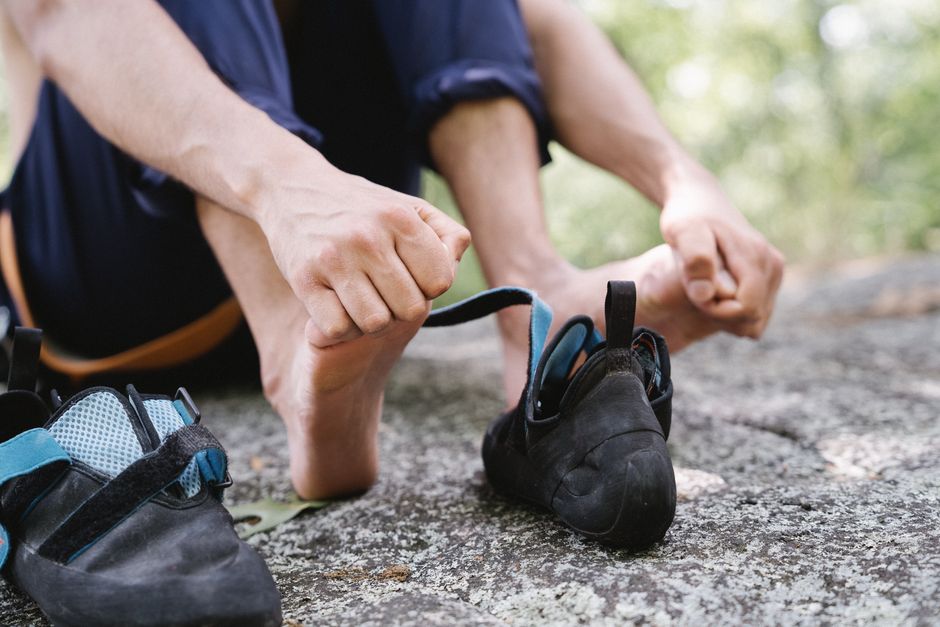
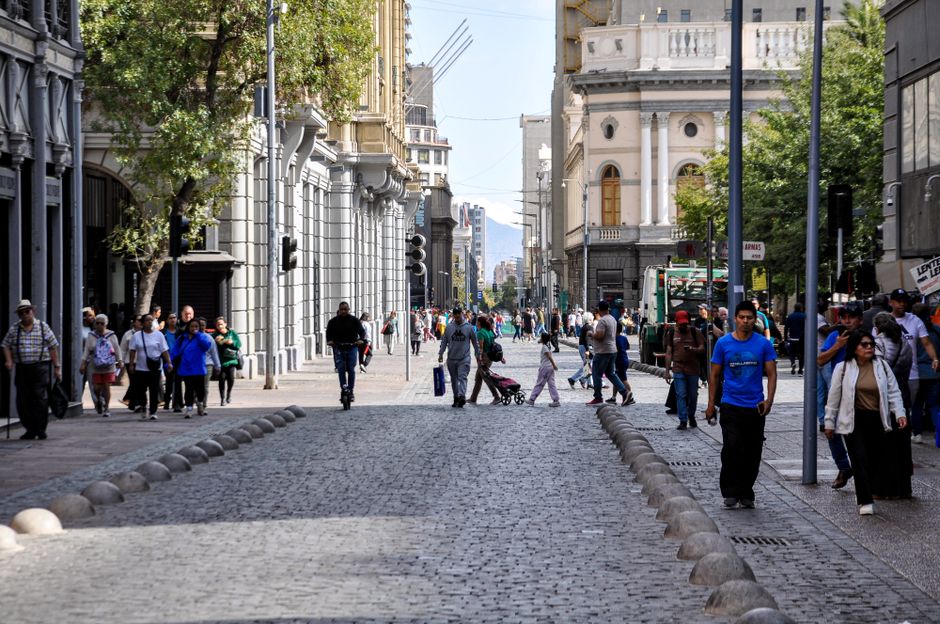
Santiago's outdoor climbing scene has exploded over the past five years, transforming the city into a hub for adventure sports enthusiasts. Whether you're drawn to the dramatic rock formations surrounding the metropolitan area or the adrenaline rush of rappelling down urban facades, getting started is more accessible than many assume.
The Cajón del Maipo, located just 45 kilometres east of the city centre, remains the crown jewel for serious climbers. This expansive canyon system offers hundreds of established routes across varying difficulty levels, from beginner-friendly 5.5 grades to expert-only 5.12 overhangs. The region attracts thousands of climbers annually, and for good reason: world-class rock, reliable weather during spring and autumn months, and a thriving community of local guides.
For those starting their climbing journey, indoor gyms provide the ideal training ground. Facilities like Vertical Gym in the Providencia neighbourhood and Urban Rock in Ñuñoa offer day passes at approximately 15,000 Chilean pesos (roughly $18 USD), with monthly memberships ranging from 70,000 to 90,000 pesos. These gyms employ certified instructors who can teach fundamental techniques—belaying, anchor setup, and safety protocols—within a controlled environment before transitioning outdoors.
Essential gear represents a significant upfront investment. A basic climbing package including harness, belay device, carabiners, and dynamic rope costs between 400,000 and 600,000 pesos. However, beginners often rent equipment for their first 10-15 outings through outfitters operating from Lastarria and Las Condes, keeping initial expenses manageable at roughly 25,000 pesos per day.
Professional guides are invaluable, especially for outdoor climbs. The Chilean Mountaineering Federation (FEACH) maintains a directory of certified guides charging approximately 80,000-120,000 pesos daily, depending on location and group size. These experts provide crucial knowledge about weather patterns, rock conditions, and emergency protocols—information that textbooks cannot replicate.
Fitness preparation matters considerably. Most climbers spend 8-12 weeks building grip strength, core stability, and cardiovascular endurance before attempting serious outdoor routes. Combining gym sessions with general fitness training—particularly pull-ups and antagonist muscle work—reduces injury risk significantly.
Santiago's climbing season peaks from October through April, when temperatures moderate and rainfall decreases. Community groups like the Grupo de Escalada Andes regularly organise weekend expeditions, offering affordable access to experienced partners and established routes. Social media platforms document conditions in real-time, helping climbers plan accordingly.
The investment—financial, physical, and temporal—rewards those willing to commit. Santiago's climbing community continues expanding, welcoming newcomers into one of South America's most dynamic adventure sports scenes.
This article was compiled by AI from the sources linked above and screened before publishing. See our editorial standards.