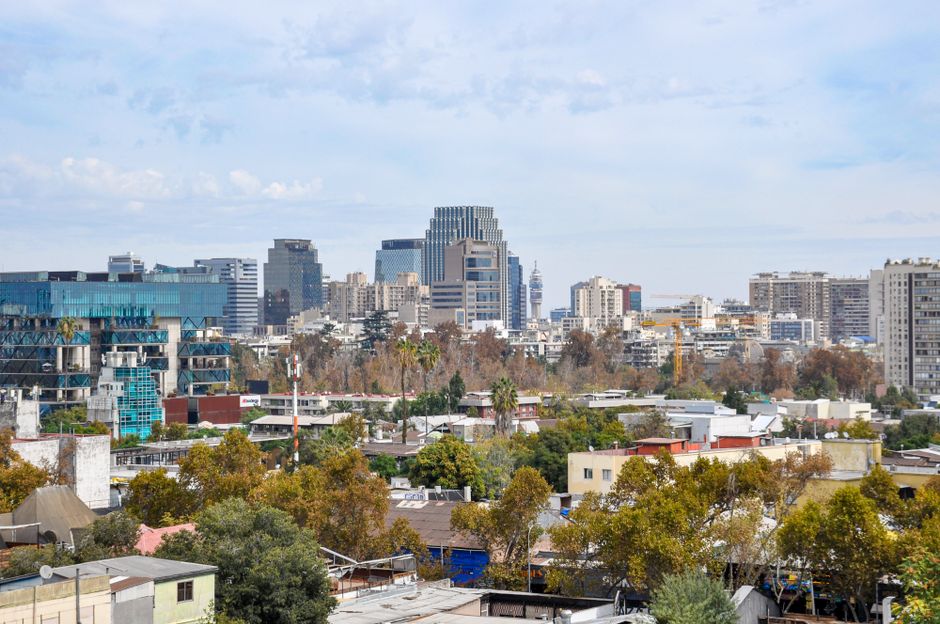
Walk through the Ñuñoa district on any weekday afternoon and you'll see the transformation underway. The newly renovated Centro Deportivo Metropolitano on Avenida Américo Vespucio now serves over 2,400 young athletes monthly, offering everything from basketball courts to Olympic-standard swimming pools. It's a stark contrast to five years ago, when crumbling facilities and limited access forced many talented youth to abandon sport altogether.
Santiago's sports infrastructure renaissance isn't happening by accident. Municipal investments totalling 47 million pesos over the past three years have targeted underserved neighbourhoods, with particular focus on the eastern and southern zones where facility gaps were most acute. The Estadio Municipal de La Florida, completely renovated in 2024, now hosts 15 affiliated clubs and serves as a hub for track and field development in the sprawling southern suburbs.
"The impact has been immediate," says the federation coordinating youth development across the capital's 34 communes. Participation in organised youth sport has grown 31 percent since 2023, with particular gains among girls' programmes. The new synthetic pitch complexes in San Bernardo and Puente Alto—areas that historically lacked adequate training grounds—have become focal points for football academies targeting disadvantaged communities.
But challenges remain. While central neighbourhoods like Providencia and Las Condes maintain private club networks with premium facilities, gaps persist elsewhere. Transport costs keep many families from accessing better-equipped venues further away. A monthly membership at elite facilities can run 85,000 pesos, pricing out families earning under 2 million pesos monthly.
The city's newest initiative aims to address this disparity. Ten community sports centres scheduled to open by 2027 will offer subsidised access, with memberships capped at 15,000 pesos monthly for families below the poverty line. Three are already under construction: in El Bosque, Quilicura, and Lo Barnechea.
Grassroots club organisers report unprecedented demand. The Federación de Clubes Deportivos de Santiago estimates 847 active youth clubs now operate across the capital, up from 604 in 2021. Many operate from modest facilities—converted warehouses, municipal parks, school grounds—yet they're producing measurable results. Youth participation in regional competitions has tripled.
As Santiago positions itself as a global sports hub, the foundation matters most: the neighbourhood courts, the community pools, the modest clubhouses where young talent first discovers sport. That infrastructure, long neglected, is finally receiving the investment it deserves.
This article was compiled by AI from the sources linked above and screened before publishing. See our editorial standards.