Santiago Sports Facilities: New Venues & Upgrades 2024
Explore Santiago's upgraded stadiums and Olympic-standard training facilities. From Estadio Nacional's $15M renovation to Complejo Deportivo Ñuñoa, discover where elite athletes train.
Explore Santiago's upgraded stadiums and Olympic-standard training facilities. From Estadio Nacional's $15M renovation to Complejo Deportivo Ñuñoa, discover where elite athletes train.
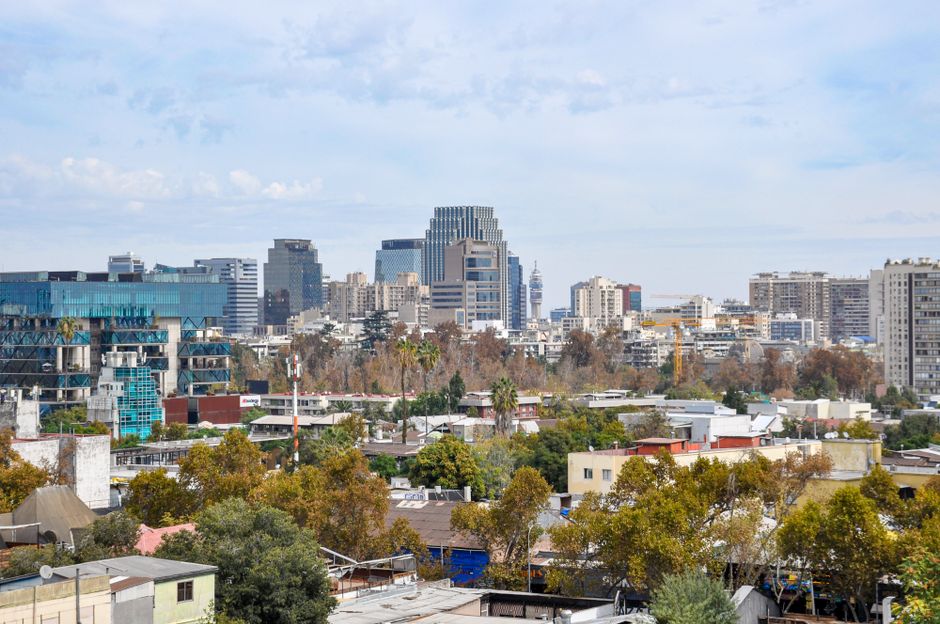
Santiago's sporting infrastructure has undergone a quiet transformation over the past five years, positioning the capital as a serious contender for hosting major international events while keeping local clubs and athletes competitive at the highest levels.
The Estadio Nacional, anchored in the verdant Parque Metropolitano area, remains the cornerstone of the city's sporting identity. With a capacity of 48,665 and recent upgrades totalling over 15 million USD, the venue now boasts improved seating, enhanced security systems, and modernised medical facilities. Yet the real story extends far beyond this flagship ground. Across the El Bosque neighbourhood, the Complejo Deportivo Ñuñoa has emerged as a hub for Olympic-standard training, housing Olympic-sized pools, athletics tracks meeting international standards, and multipurpose facilities that serve everyone from elite national teams to community programmes. Entry fees for public swimming start at 4,500 pesos, keeping sport accessible for working families.
The revitalised Estadio San Carlos de Apoquindo in Las Condes, home to Universidad Católica, exemplifies private-sector investment in sporting infrastructure. Seating 15,000 and equipped with world-class training grounds, the venue reflects a broader trend: professional clubs are modernising their home bases. Colo-Colo's redeveloped facilities in Macul now include cutting-edge recovery zones and a youth academy that has already produced several national team players.
Beyond traditional venues, Santiago's support infrastructure has expanded dramatically. The Centro de Alto Rendimiento, located in the southern reaches of the city near Puente Alto, provides centralised training for cycling, rowing, and combat sports. Investment in sports medicine clinics throughout Providencia and Vitacura means athletes no longer require travel to private hospitals for specialist care—facilities now operate integrated sports injury units.
The challenges remain real. Maintaining these facilities costs between 800 million and 1.2 billion pesos annually across major venues, straining municipal budgets. Accessibility remains uneven, with premier facilities concentrated in wealthier neighbourhoods like Las Condes and Ñuñoa, while peripheral communities struggle with aging infrastructure.
Still, as Santiago positions itself for potential World Cup qualification matches and continental championships, this infrastructure investment reflects a city taking sport seriously. Whether these facilities translate into sustained community participation, or simply serve elite athletes and affluent spectators, will define Santiago's sporting legacy for the next decade.
This article was compiled by AI from the sources linked above and screened before publishing. See our editorial standards.
How does this story make you feel?
Spread the word
About this article
Published by The Daily Santiago
Daily brief
Free, in your inbox before 7am. Weekdays.
More in Sport