Yoga and Meditation in Santiago: Evidence-Based Tips That Actually Work for Local Conditions
From altitude adaptation to air quality awareness, here's how to build a sustainable practice in the capital.
From altitude adaptation to air quality awareness, here's how to build a sustainable practice in the capital.
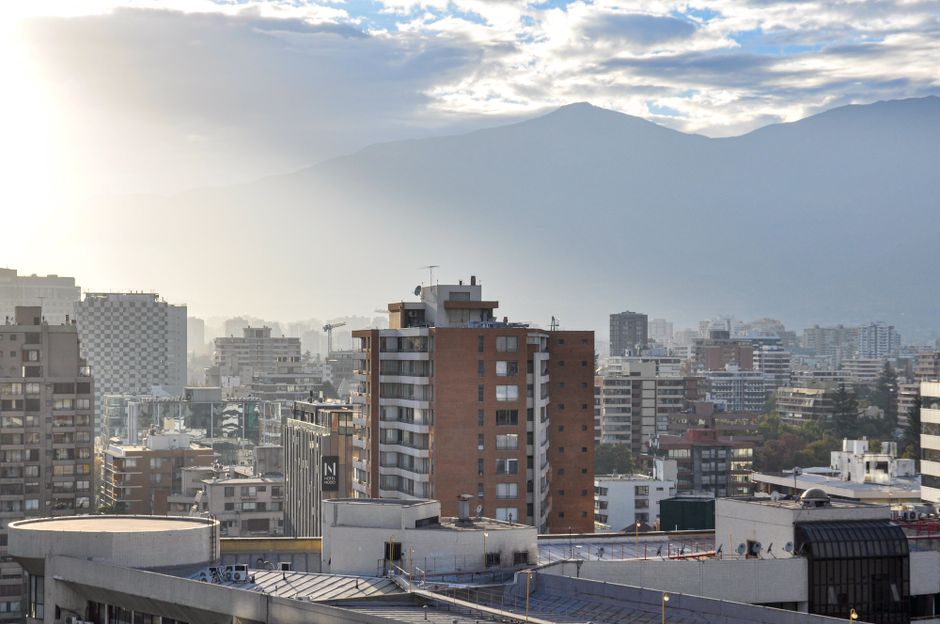
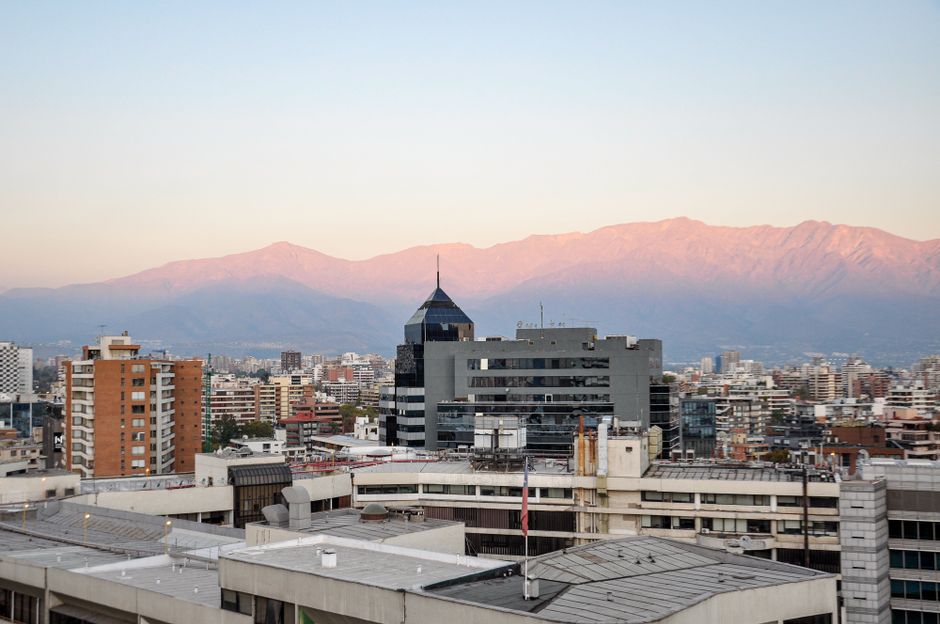
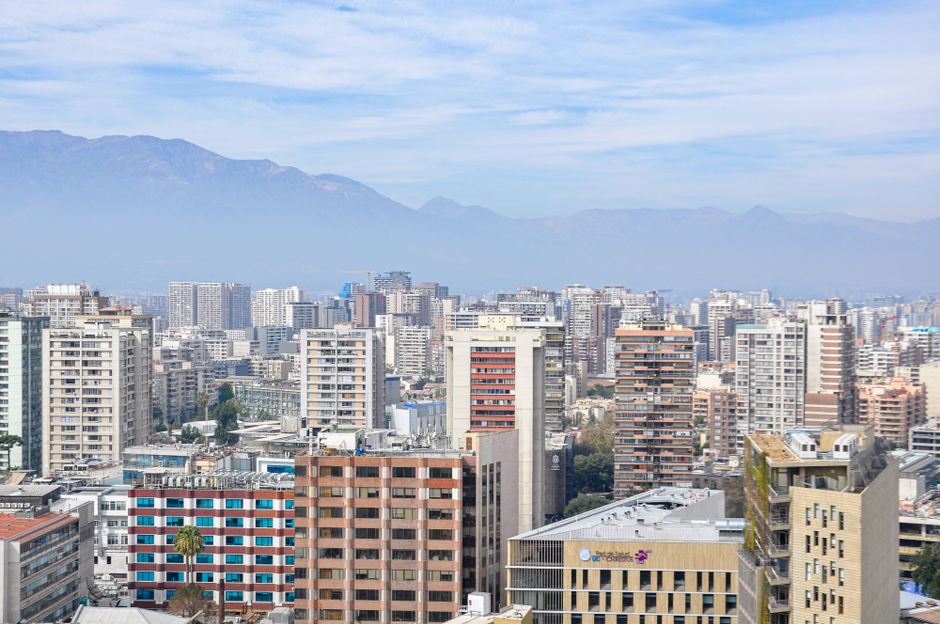
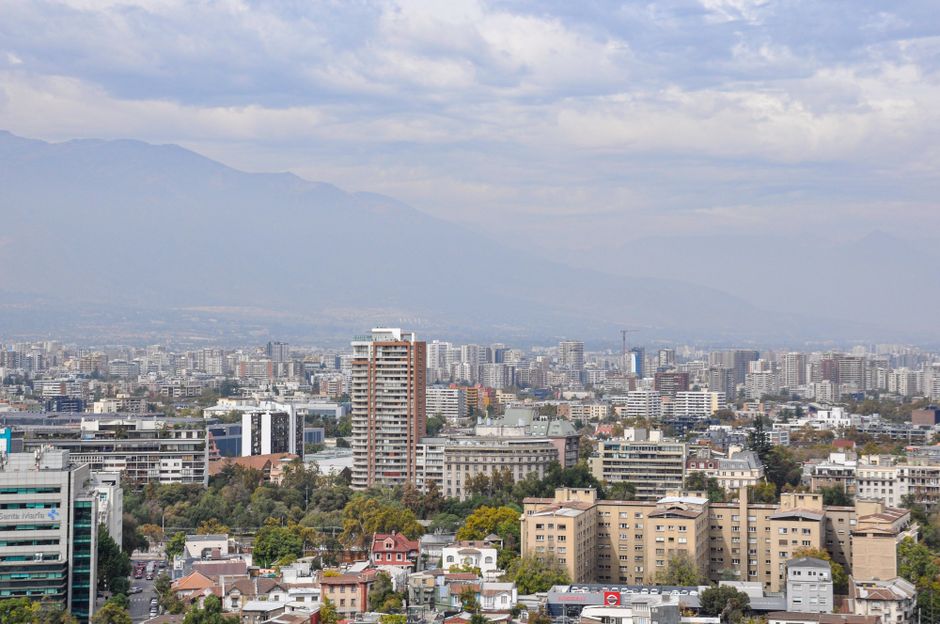
Santiago's unique geography—nestled 570 metres above sea level in a valley prone to thermal inversions—shapes how wellness practices should be tailored for locals. While yoga and meditation are increasingly popular across Ñuño, Providencia, and Las Condes, the science suggests a one-size-fits-all approach misses crucial environmental and physiological factors specific to our city.
Start with altitude awareness. Research shows that residents already benefit from naturally elevated haemoglobin levels, but visitors and newcomers may experience mild breathlessness during pranayama (breathing) exercises. Studios near Parque Forestal recommend beginning with shorter, gentler breathing sequences—four to six counts—before advancing to traditional longer holds. This gradual adaptation prevents dizziness and maximises oxygen utilisation without forcing the body.
Air quality significantly affects practice timing. During winter months, when particulate matter concentrations exceed 100 µg/m³, indoor practice becomes medically preferable to outdoor sessions. Many certified instructors now schedule morning classes before 10 a.m., when air quality typically improves. If practising outdoors—say, at Cerro San Cristobal's Terraza Belén—check the SINCA index beforehand and prioritise gentle, restorative poses rather than vigorous vinyasas that increase respiratory demand.
The Santiago lifestyle introduces unique stressors: long commutes across the city, traffic-related anxiety, and economic pressures that affect mental health. Evidence-based meditation research suggests that 10 to 15 minutes of daily practice reduces cortisol levels more effectively than sporadic longer sessions. Local centres in Lastarria and around Manuel Montt offer affordable group classes (typically $8,000–15,000 CLP monthly), making consistency accessible.
Temperature and humidity also matter. Santiago's dry climate means staying hydrated is essential during practice—dehydration reduces flexibility and impairs focus. Before morning sessions, drink water infused with electrolytes, especially during summer months when temperatures exceed 30°C.
Finally, leverage local seasonal rhythms. Winter's shorter days align well with evening meditation routines that support melatonin production, while summer's extended daylight encourages early-morning practice in parks. Aligning your practice with Santiago's natural cycles—rather than following Northern Hemisphere wellness calendars—creates sustainable habit formation.
The science is clear: effective wellness isn't about importing trends unchanged. It's about understanding how altitude, air quality, climate, and urban stress interact with your body and mind. Start small, stay consistent, and let Santiago's specific conditions inform your practice, not limit it.
This article was compiled by AI from the sources linked above and screened before publishing. See our editorial standards.
How does this story make you feel?
Spread the word
About this article
Published by The Daily Santiago
Daily brief
Free, in your inbox before 7am. Weekdays.
More in Wellness