Between navigating traffic on the Costanera Norte and juggling work schedules in Las Condes, many santiaguinos barely have time to think about dinner. Yet meal preparation—often dismissed as a trend for gym enthusiasts—has become a practical necessity for families and professionals across the capital. The strategy is simple: dedicate a few hours each week to cook in bulk, store portions, and simplify weeknight decisions.
The advantage begins at Santiago's vibrant fresh markets. The Vega Central and Tirso de Molina neighborhood markets offer seasonal produce at a fraction of supermarket prices, making bulk buying economical. A kilogram of local tomatoes costs roughly 1,500–2,000 pesos, and seasonal squashes even less. Families who shop these markets on Saturday mornings, then dedicate Sunday afternoons to cooking, report spending 30 percent less on groceries than those buying pre-packaged options.
The approach works particularly well with Chilean staples. Roasted vegetables, legume-based casseroles, and rice or quinoa bases can be prepared in large batches and stored in glass containers for up to four days. A simple lentil and vegetable cazuela, for instance, reheats beautifully and requires minimal equipment—a single pot, an oven, and patience. Workers commuting from neighborhoods like Ñuñoa or Providencia can grab a prepared container each morning rather than relying on expensive lunch delivery services or fast-food options.
The logistics matter too. Food storage experts recommend investing in quality glass containers—a one-time cost of 15,000–25,000 pesos—rather than single-use plastics. Batch cooking three protein sources (chicken, legumes, and perhaps fish), two vegetable medleys, and one grain base creates mix-and-match flexibility throughout the week. A parent in Macul or La Reina can assemble different combinations each day, preventing the monotony that derails meal-prep plans.
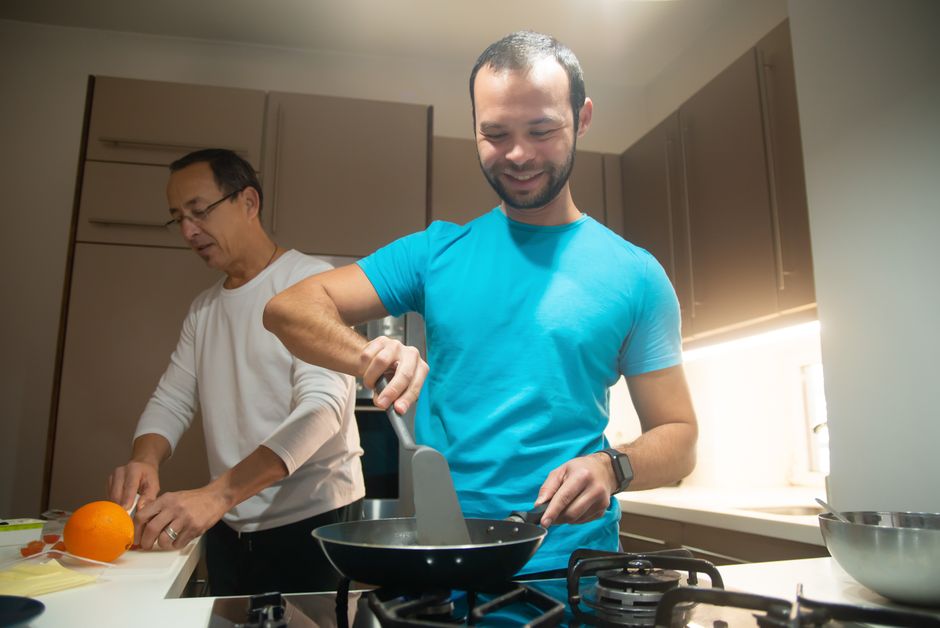
Timing proves essential. Dedicating Sunday afternoons, after a morning walk through Parque Forestal or Cerro San Cristóbal, creates a natural rhythm. A two-to-three-hour cooking session—music playing, perhaps with family participation—feels less like a chore and more like weekend wellness. Parents report that involving children transforms the experience into informal nutrition education.
Santiago's healthcare professionals increasingly recommend meal prep as a prevention strategy, particularly for managing portion sizes and reducing sodium intake. The investment of time yields measurable returns: reduced decision fatigue, lower food waste, and genuinely home-cooked meals that reflect Chilean food values.
Start small: choose one night weekly for cooking, prepare for three days rather than seven, and adjust based on family feedback. Most santiaguinos find that sustainable meal prep becomes a habit within three to four weeks.
This article was compiled by AI from the sources linked above and screened before publishing. See our editorial standards.