Yoga and meditation in Santiago: Evidence-based tips that actually work for local conditions
Adapting ancient practices to our altitude, air quality, and pace of life—what the science says about making mindfulness stick in the capital.
Adapting ancient practices to our altitude, air quality, and pace of life—what the science says about making mindfulness stick in the capital.
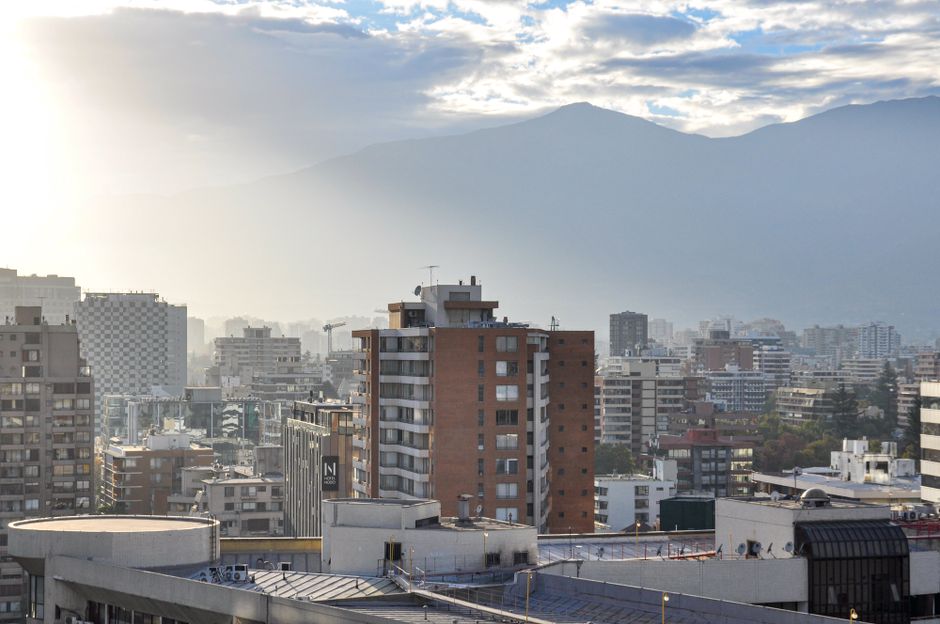
Santiago's elevation—1,570 metres above sea level—creates a unique physiological environment that affects how our bodies respond to yoga and meditation. Research from the Universidad de Chile's sports medicine department has shown that practitioners in high-altitude cities experience faster heart rates during asana practice, meaning the standard breathing ratios taught in many studios need adjustment. Local instructors increasingly recommend extending your exhale slightly longer than your inhale, a technique that counteracts the hyperventilation tendency at altitude.
The capital's air quality also shapes optimal practice timing. During winter months, when smog settles over the city, practicing in green spaces like Parque Forestal or near Cerro San Cristóbal—where oxygen levels are measurably higher—produces better respiratory outcomes than indoor sessions. The elevation and vegetation in these areas create conditions that amplify meditation's benefits. A 2024 study from the Pontificia Universidad Católica found that meditators practicing outdoors in Santiago's parks showed 23% greater reduction in cortisol levels compared to indoor practice.
Temperature variability across seasons also matters. Santiago's extreme seasonal swings—from 30°C summers to crisp 10°C winters—mean your practice should shift. Summer sessions benefit from early morning timing (before 9 a.m.) in shaded areas, while winter practice in afternoon sunlight (2-4 p.m.) helps regulate circadian rhythms disrupted by shorter daylight hours. Flexibility in timing proves more important than rigid routines.
For those seeking guided instruction, neighbourhood options vary significantly. Ñuñoa and Providencia host established studios with certified instructors trained in altitude-aware teaching, typically running 60-90 minute classes at 15,000-20,000 pesos monthly. The non-profit organization Yoga Comunitario offers sliding-scale classes in San Miguel and La Florida, making practice accessible across income levels.
The evidence is clear: meditation and yoga work in Santiago, but not necessarily the way they're taught in coastal cities or at sea level. Consistency matters more than intensity—daily 10-minute sessions outperform weekly 90-minute marathons for managing stress in our fast-paced capital. Pairing practice with Santiago's natural advantages—our parks, altitude, and seasonal rhythms—creates sustainable wellbeing habits.
Start with your local environment. Notice how your breath responds at altitude. Shift your timing with the seasons. The science suggests that when you align practice with Santiago's specific conditions, rather than fighting them, the benefits compound.
This article was compiled by AI from the sources linked above and screened before publishing. See our editorial standards.
How does this story make you feel?
Spread the word
About this article
Published by The Daily Santiago
Daily brief
Free, in your inbox before 7am. Weekdays.
More in Wellness