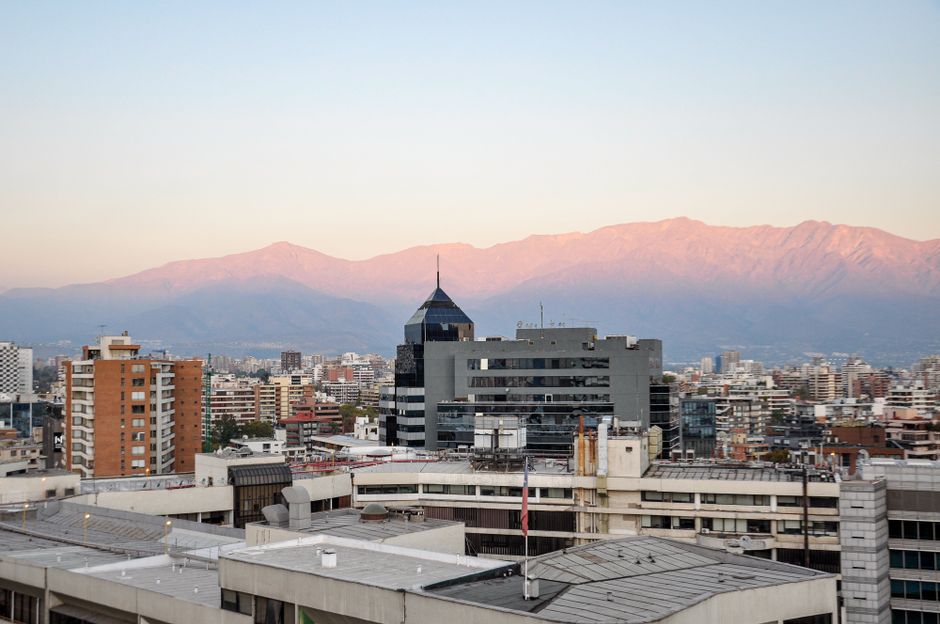
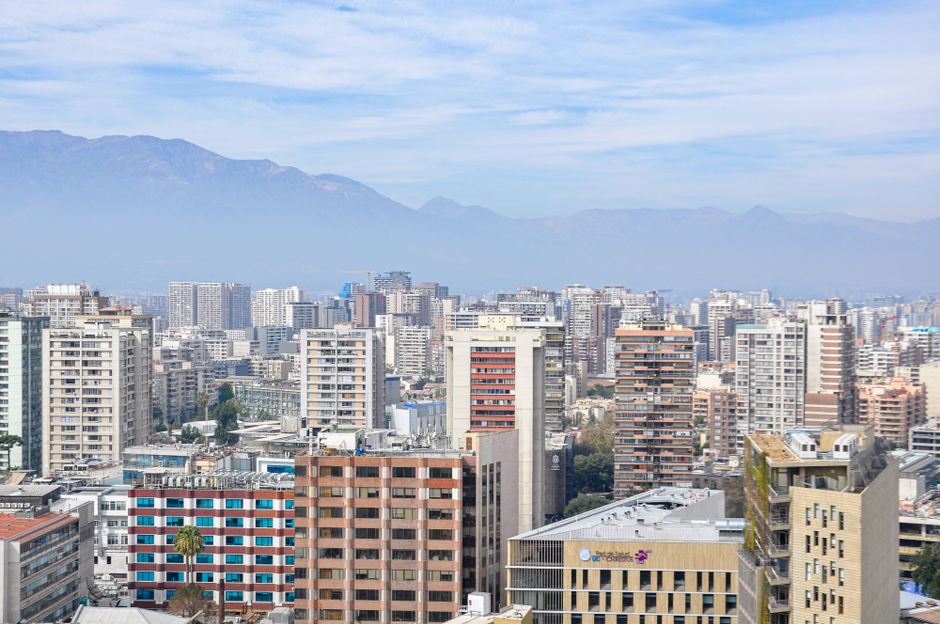
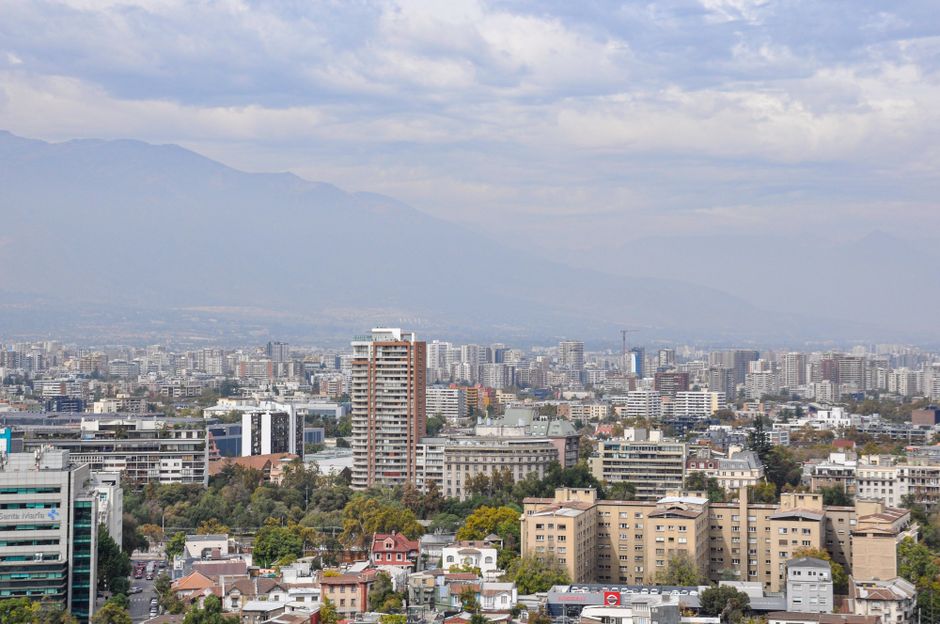
Santiago's unique geography—nestled at 570 metres above sea level with summer temperatures routinely climbing above 30°C—creates distinct sleep challenges that generic wellness advice rarely addresses. Yet mounting evidence suggests that adapting evidence-based sleep practices to our local conditions can significantly improve rest quality.
The altitude factor matters more than many residents realise. While Santiago isn't high enough to cause acute altitude sickness, studies on cities at similar elevations show that even modest elevation can subtly affect oxygen saturation during sleep. Sleep medicine specialists at Clínica Las Condes recommend that those struggling with sleep quality consider keeping bedroom windows slightly open on cooler nights to optimise oxygen flow—particularly valuable during winter months when evening temperatures in neighbourhoods like Ñuñoa and Providencia drop into single digits.
Heat, however, remains the primary culprit. Research consistently shows that core body temperature must drop 2-3 degrees Celsius for sleep onset. During Santiago's December-February peak, when overnight temperatures often hover around 18-20°C, this becomes challenging. Evidence-based solution: schedule intensive exercise—whether cycling along the Mapocho riverside paths or runs through Parque Forestal—for early morning or after 6pm, not mid-afternoon. This allows sufficient time for your body temperature to normalise before bed, rather than forcing it to cool during peak sleep hours.
Local timing matters too. Santiago's spring-forward daylight—with sunrises around 6:30am in winter and sunsets near 9:30pm in summer—affects circadian rhythm regulation. Sleep researchers emphasise that morning light exposure (between 6-8am) is your brain's strongest circadian signal. A 20-minute walk to the metro or café in early morning sunlight, whether in Las Condes or Barrio Brasil, provides this critical input far more effectively than artificial light.
The fresh produce advantage shouldn't be overlooked. Santiago's year-round access to markets like Vega Central offers sleep-supporting nutrients—magnesium-rich leafy greens, berries with natural melatonin precursors, and omega-3 sources—at significantly lower prices than imported supplements. Studies on dietary factors in sleep quality show that whole-food sources outperform isolated supplements for most people.
Finally, altitude-adjusted expectations matter psychologically. If you've relocated to Santiago from lower elevations, mild sleep disruption in your first 2-4 weeks is normal and typically resolves without intervention. Accepting this temporary adjustment—rather than immediately seeking sleep medication—aligns with evidence on sleep adaptation physiology.
For persistent sleep issues, consulting specialists at institutions like the Universidad de Chile's sleep medicine department provides locally contextualised guidance that generic online advice cannot match.
This article was compiled by AI from the sources linked above and screened before publishing. See our editorial standards.