Finding Balance on Home Ground: How Santiago's Yoga Communities Are Reshaping Local Wellness
From Ñuñoa studios to Parque Forestal gatherings, residents are discovering that transformation begins with a single breath—and a supportive community.
From Ñuñoa studios to Parque Forestal gatherings, residents are discovering that transformation begins with a single breath—and a supportive community.
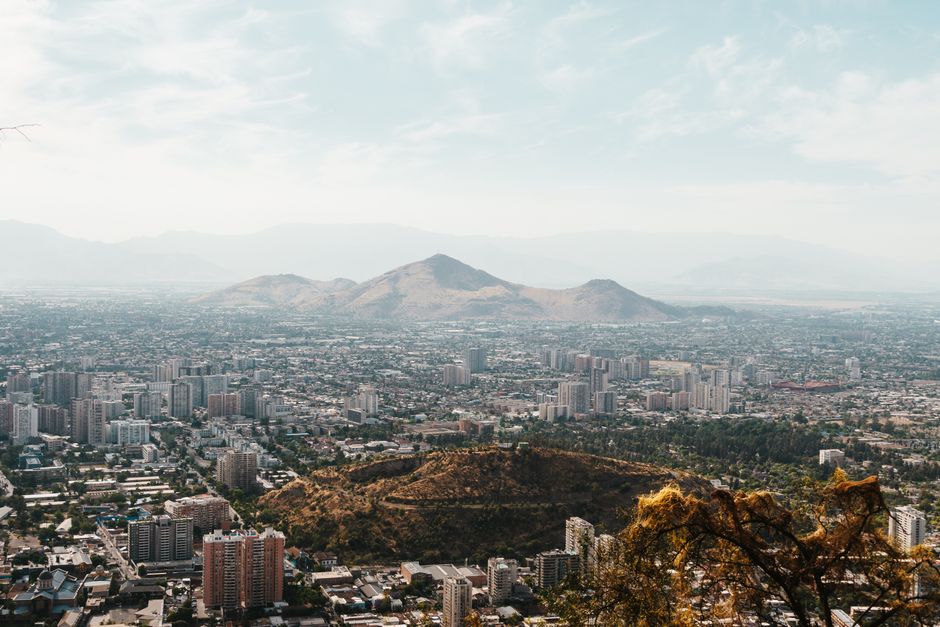
On Saturday mornings, a growing circle of santiaguinos congregate near the Bridge of Sighs in Parque Forestal, rolling out mats as the city stirs awake. This informal gathering—one of dozens now scattered across the capital—represents a quiet wellness revolution that's taken root in neighbourhoods from Lastarria to Las Condes. Unlike the boutique fitness trends that dominate urban centres worldwide, Santiago's yoga renaissance is distinctly community-driven, rooted in accessible local spaces and built on peer recommendation rather than slick marketing.
The shift reflects broader patterns in Chilean wellness culture. According to health surveys conducted by the Universidad de Chile's wellness institute in 2025, roughly 34 percent of metropolitan Santiago residents now practise some form of meditation or mindfulness—a jump of 12 percentage points from 2020. Studios in Ñuñoa and Providencia report waiting lists, while community centres in neighbourhoods like Estación Central and San Miguel have introduced donation-based classes to remove financial barriers.
What distinguishes these local transformations is their integration with Santiago's existing cultural fabric. Many practitioners combine yoga with runs through Cerro San Cristóbal's forested trails or visits to the weekend ferias for fresh produce—simple acts that reinforce holistic living without requiring expensive supplements or exclusive memberships. A typical beginner class in Ñuñoa costs between 8,000 and 15,000 pesos, making regular practice feasible for middle-income families.
The psychological benefits have proven substantial. Mental health professionals at the Red de Salud UC report a 28 percent increase in patients citing meditation as part of their recovery strategy from anxiety and stress-related conditions—a trend that's prompted several public health clinics across Santiago to offer introductory sessions. The focus on community rather than individual achievement appears crucial; group settings foster accountability and belonging, particularly valuable in a metropolis where isolation remains a hidden wellness challenge.
Beyond physical health, these gatherings have become social anchors. Long-time practitioners describe newfound friendships, professional networks, and a sense of neighbourhood connection that predates the pandemic but has been revitalised by it. Studios in Barrio Brasil and Lastarria now host monthly workshops combining yoga with discussions on nutrition, sleep, and emotional resilience—drawing neighbours who might never have sought out wellness content alone.
For those curious about starting, local yoga teachers consistently recommend beginning with community classes rather than isolated home practice. Santiago's abundance of parks, from Parque Bustamante to the green corridors of Mapocho, provides natural gathering spaces that feel welcoming rather than intimidating. The transformation, residents report, rarely happens overnight—but in a city as vibrant as Santiago, it happens best together.
This article was compiled by AI from the sources linked above and screened before publishing. See our editorial standards.
How does this story make you feel?
Spread the word
About this article
Published by The Daily Santiago
Daily brief
Free, in your inbox before 7am. Weekdays.
More in Wellness