Yoga and Meditation in Santiago: How Local Practice Stacks Up Against the Global Wellness Boom
While mindfulness apps dominate Western markets, Santiago's yoga community is charting its own path—blending ancient practice with Chilean pragmatism.
While mindfulness apps dominate Western markets, Santiago's yoga community is charting its own path—blending ancient practice with Chilean pragmatism.
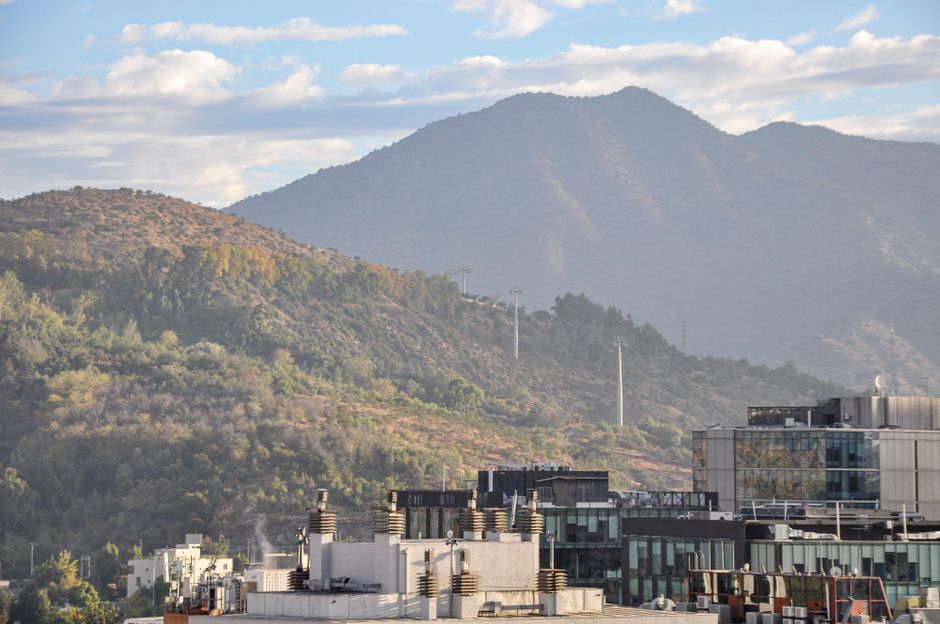
Walk through Parque Forestal on a Saturday morning and you'll spot them: mat-carrying practitioners heading toward studios tucked between the jacaranda trees. Yet Santiago's embrace of yoga and meditation tells a different story than the wellness narrative dominating Instagram feeds and Silicon Valley boardrooms worldwide.
Globally, the yoga industry is valued at roughly $88 billion annually, with meditation apps like Headspace and Calm boasting millions of subscribers. But in Santiago, uptake has been steadier, more measured. According to fitness facility surveys from the past two years, approximately 12-15% of Santiago residents practice yoga regularly—lower than figures in North America and parts of Europe, but growing. What's notable is where this growth concentrates: neighborhoods like Providencia, Ñuñoa, and Las Condes have seen studio expansion, while practitioners in outer comunas often rely on free group classes or online alternatives.
The economics matter. A typical monthly yoga membership in established studios near Cerro San Cristobal or along Avenida Apoquindo ranges from 80,000 to 150,000 Chilean pesos—affordable for middle and upper-income residents but prohibitive for many. This contrasts sharply with global trends, where subscription-based meditation platforms cost as little as $10-15 monthly and reach underserved markets efficiently.
Yet Santiago's approach reflects something the global wellness industry often overlooks: integration with existing cultural and environmental assets. The city's robust cycling culture and established running communities in Parque Forestal have created natural pipelines for holistic practice. Local yoga teachers increasingly pair sessions with discussions about Chilean herbal medicine and nutrition sourced from neighborhood markets—grounding the practice in immediate, tangible wellness rather than aspirational lifestyle branding.
Organizations like SENDA and various community health centers have begun incorporating mindfulness into public health initiatives, suggesting institutional recognition beyond commercial studios. This mirrors global interest in meditation's clinical benefits, but with local adaptation: programs addressing stress related to economic pressures rather than generic corporate burnout.
The comparison isn't hierarchical. Santiago's yoga community may be smaller than Western counterparts, but it's less saturated by commercialization. Studio owners report strong client retention and organic growth through word-of-mouth—the antithesis of app-driven markets. As wellness trends continue globalizing, Santiago demonstrates that meaningful practice can flourish without requiring download counts or influencer endorsement.
For personalized guidance on starting a yoga or meditation practice, consult a local instructor or healthcare provider in Santiago.
This article was compiled by AI from the sources linked above and screened before publishing. See our editorial standards.
How does this story make you feel?
Spread the word
About this article
Published by The Daily Santiago
Daily brief
Free, in your inbox before 7am. Weekdays.
More in Wellness