The Morning Ritual: How Santiago runners built fitness into their daily commute
From Parque Forestal to Cerro San Cristóbal, local runners share the practical habits that transformed exercise from a chore into a non-negotiable part of their routine.
From Parque Forestal to Cerro San Cristóbal, local runners share the practical habits that transformed exercise from a chore into a non-negotiable part of their routine.
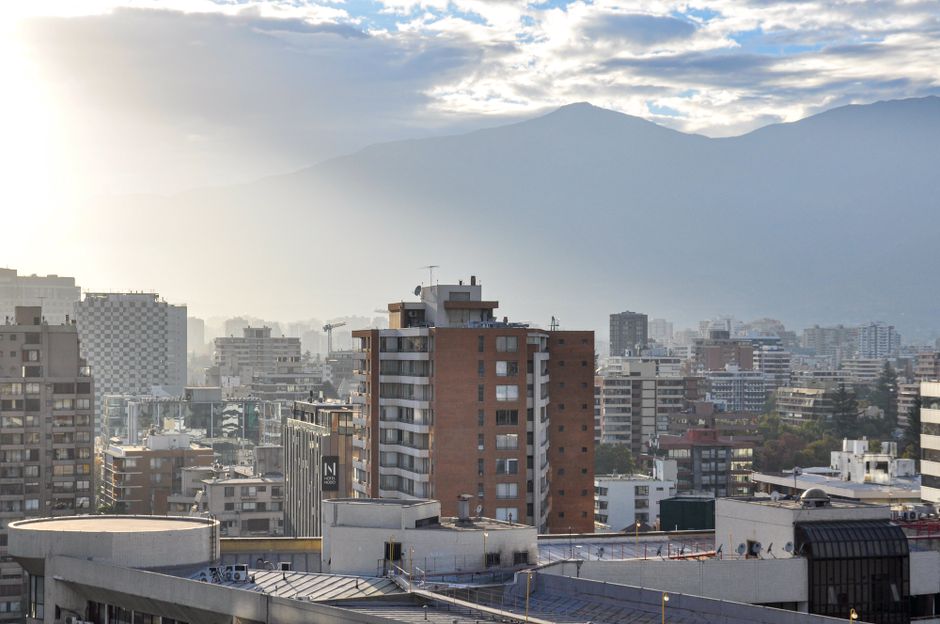
On any given morning between 6 and 8 a.m., Parque Forestal transforms into an open-air gym. The tree-lined pathways stretching from Plaza Italia toward the Mapocho riverbank pulse with runners of every fitness level, and there's a reason this four-kilometre loop has become Santiago's most accessible entry point into daily running culture.
"The habit works because it's already on your route," explains the philosophy behind what local fitness communities call the "integrated run"—treating your workout as part of getting somewhere, rather than an isolated activity. For residents across Ñuñoa, Las Condes, and Providencia, embedding a trail run into their morning before work or evening after dropping children at school has proven more sustainable than committing to separate gym sessions.
Cerro San Cristóbal offers something different: elevation. The main trail ascending toward the Cristo statue gains roughly 300 metres over 2.5 kilometres, making it the go-to spot for runners building cardiovascular strength. Weekend mornings here feel communal—locals report that the consistent presence of other runners creates informal accountability. The park entrance near the Bellavista neighbourhood is accessible by foot from several residential areas, removing the friction of transport logistics.
What makes these habits stick? Santiago's running community has identified three practical elements. First, consistency through geography: runners who choose the same route multiple times per week begin to recognize familiar faces, turning solitary exercise into a low-pressure social experience. Second, seasonal alignment with Santiago's Mediterranean climate means autumn and winter (March through August) offer ideal running conditions, while many locals shift to earlier morning sessions during summer heat. Third, integration with the city's existing infrastructure—the Parque Forestal path connects to the Mapocho Cycle Path, meaning runners often encounter cyclists and walkers, creating a shared active-transport culture.
Local running groups, many informal and free to join, have emerged around these spaces. Several neighbourhoods maintain WhatsApp groups coordinating morning runs, typically departing between 6:30 and 7:00 a.m. This removes the motivational burden of deciding whether to exercise—the decision is made the night before, socially.
The practical takeaway: Santiago's most consistent runners aren't those with the most expensive gear or gym memberships. They're the ones who've made one neighbourhood loop or hill their default, treating it as a non-negotiable appointment rather than an optional activity. The city's topography and parks provide the infrastructure; locals have simply learned to use it.
For personalized training advice or concerns about running-related injuries, consult a local sports medicine professional or physiotherapist.
This article was compiled by AI from the sources linked above and screened before publishing. See our editorial standards.
How does this story make you feel?
Spread the word
About this article
Published by The Daily Santiago
Daily brief
Free, in your inbox before 7am. Weekdays.
More in Wellness